Best Wetsuits for Kitesurfing 2026 — Top 5
A kitesurfing wetsuit isn't just thermal padding—it's your barrier between control and numbness when the Atlantic's cold and the wind's up. We've fitted hundreds since 2003, and the right thickness and seam seal make the difference between a three-hour session and a thirty-minute freeze-out. This guide cuts through the noise so you pick a suit that actually keeps you warm without restricting your pop.
Pick 5/4 mm back-zip for Atlantic winters (October–April), or 4/3 mm chest-zip if you run warm. Seam sealing matters more than brand—hunt for GBS stitching and tapered sleeves. The Neilpryde Serene 5/4 and Rise 5/4 are our bestsellers because they don't pinch shoulders or dump heat in cold water.
01 — SizingThickness: Water Temperature Chooses Your Millimetre
European kite spots live in 8–14°C water most of the year. That's cold. Your suit thickness has to match. 4/3 mm works spring and early autumn (May, September) when water creeps above 12°C and you're riding dawn sessions. But October through April? You need 5/4 mm or you'll be shivering by hour two.
The numbers mean chest thickness / arm thickness. A 5/4 keeps your core warm—the part that matters most—while slightly thinner sleeves let you paddle and grab the bar without fighting neoprene. If you're in the Mediterranean or riding summer, 3/2 mm is enough. But if Tarifa or Cape Town are on your roadtrip, 5/4 is non-negotiable.
02 — ConstructionSeam Sealing & Panel Design: Where Your Warmth Actually Lives
Neoprene blocks wind and water, but seams leak. GBS (Glued and Blindstitched) seams seal better than flat-lock alone because the stitching sits below the neoprene surface—water can't rush through. Back-zip wetsuits are warmer than chest-zip because the zip sits on your shoulder blade, away from your chest cavity. Chest-zip feels less restrictive and dries faster, but you'll trade 10–15% warmth for ease of entry.
Tapered sleeves matter if you're in cold water. Loose cuffs let water circulation; tapered ones hug your wrist and keep flushing to a minimum. Panel design—how many pieces the suit is cut into—affects fit and flex. More panels mean better range of motion but slightly more seams to seal. The Neilpryde Serene 4/3 and 5/4 both run GBS seams and tapered construction.
03 — Our picksOur 4 In-Stock Picks for Atlantic & Med Riding
We've narrowed it down to four suits we stock and trust. Pick by water temperature and fit preference. All four come with GBS seams—no guessing on durability.


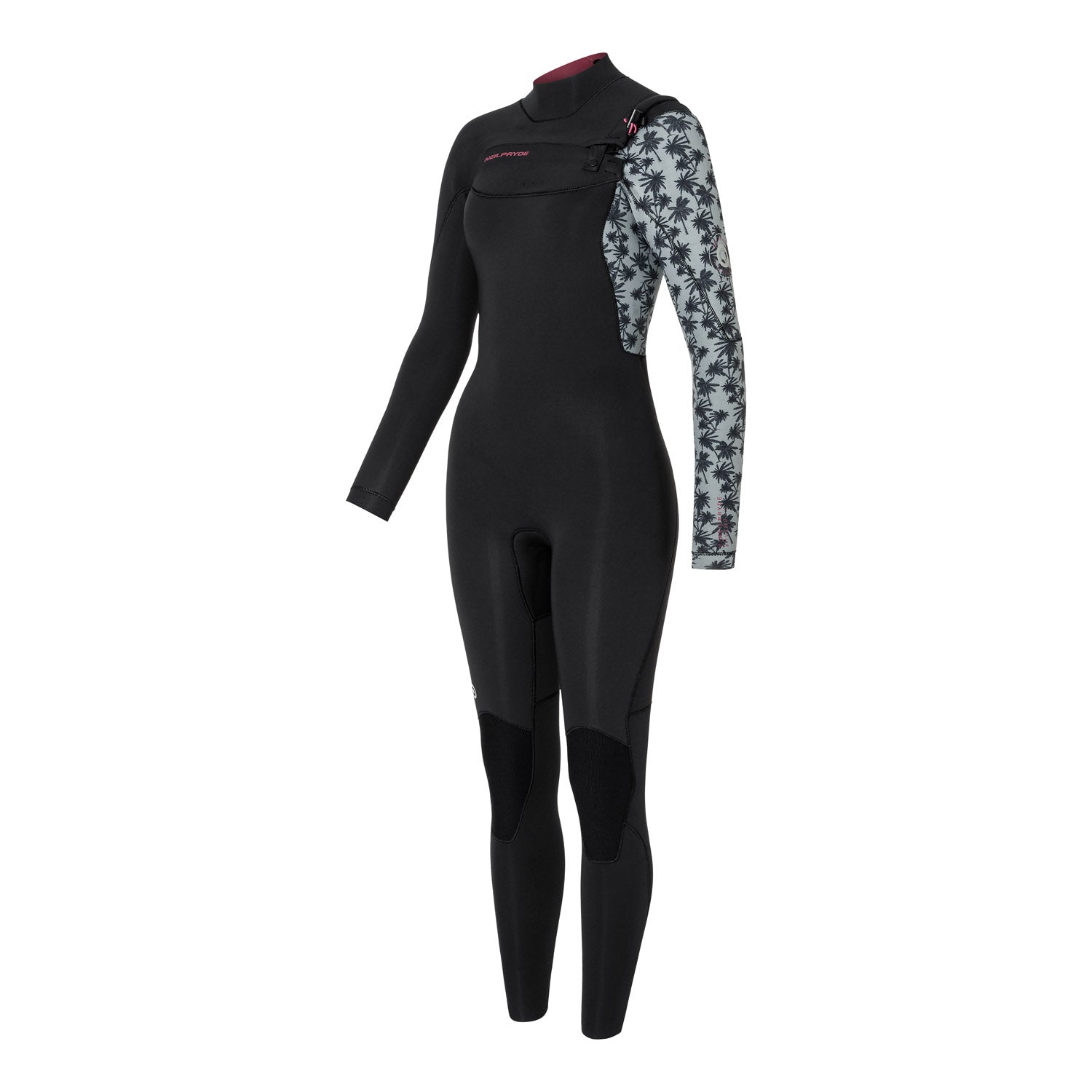
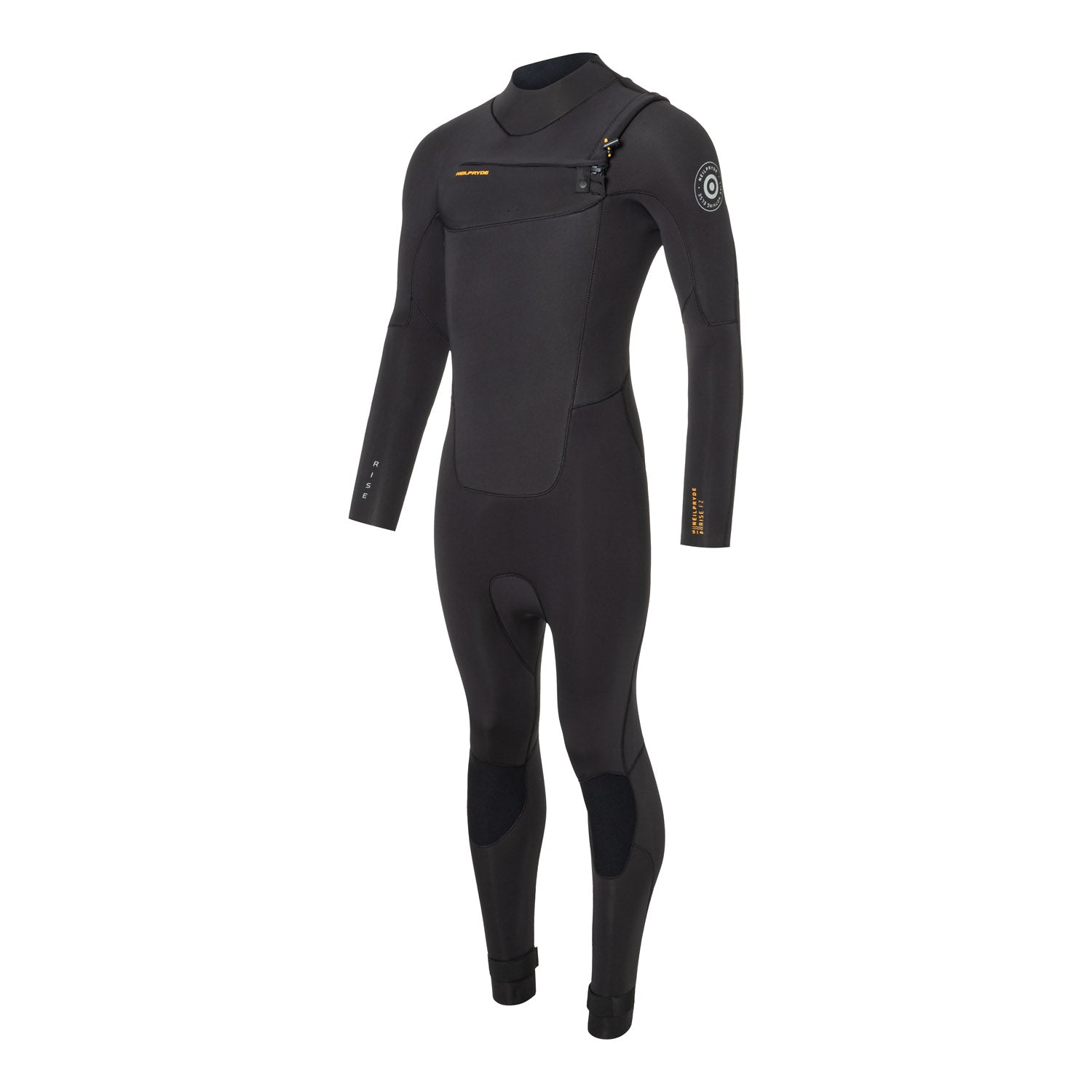
Prices and 2026 specs are pulled live from each product page. Confirm on the product page before checkout.
04 — MistakesThree mistakes we see every week
Ready to gear up for cold water?
Browse our full wetsuits range and find the thickness and fit that match your local break.
Frequently asked
The first number is chest/back thickness; the second is arm/leg. 5/4 is warmer in the core (best October–April). 4/3 works spring/autumn when you don't need maximum insulation.
Back-zip holds heat better and is our pick for cold Atlantic water. Chest-zip is easier to slip on and lets you cool faster in warmer conditions.
Yes. Flat-lock seams leak steadily; GBS seams are stitched below the surface and hold warmth far longer. You'll notice it in sessions over two hours.
Not comfortably. You'll overheat, restrict movement, and hate the experience. Buy a 3/2 or 4/3 for warm months. Two suits, two seasons—it pays off.