Best Wing Foil Gear for Beginners 2026
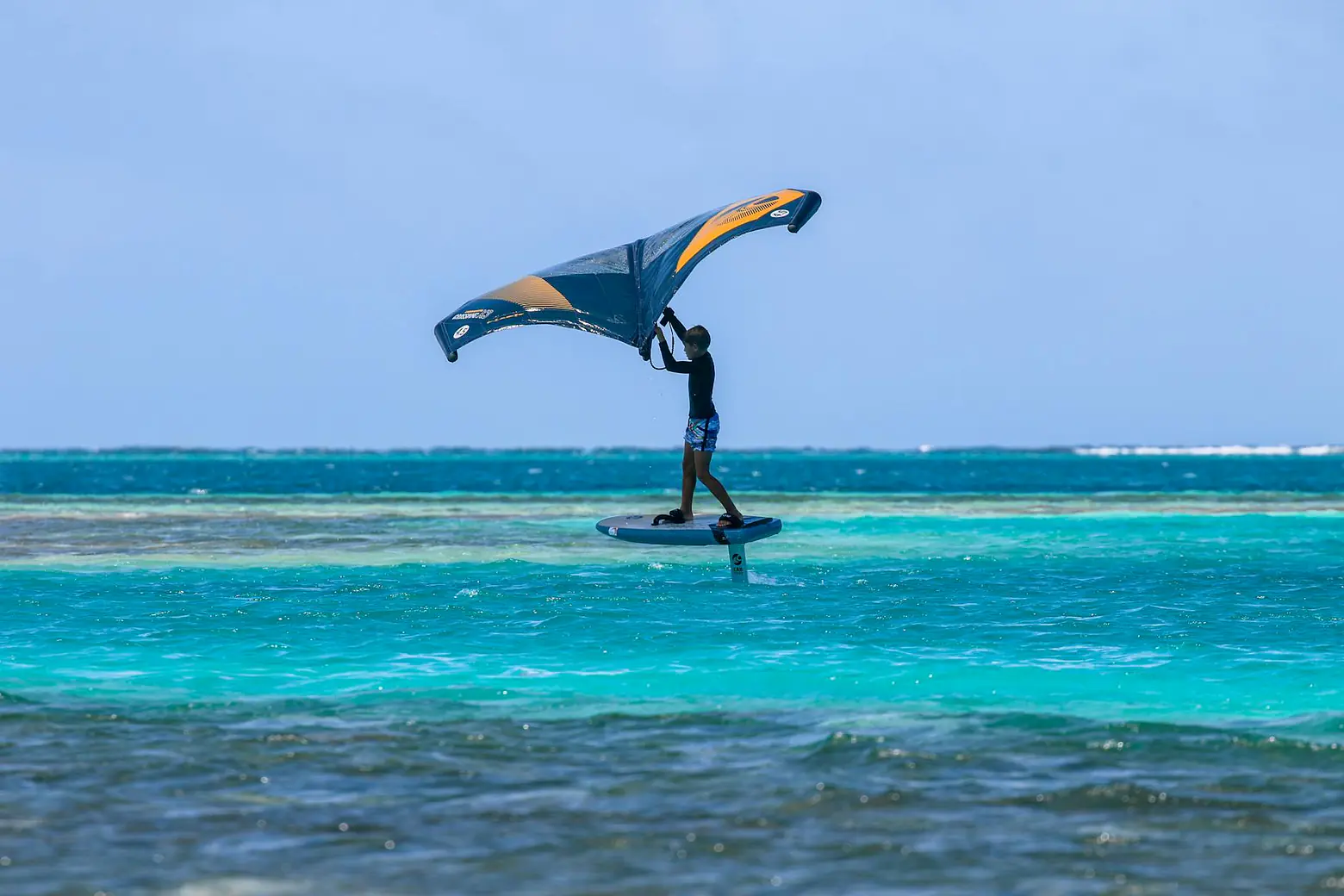
Wing foiling looks effortless when you see it done right — but your first sessions depend entirely on having the right gear. We've watched hundreds of riders learn to foil since 2003, and the ones who stick with it share one thing: equipment that forgives mistakes and builds confidence, not ego.
Start with a larger wing (5–5.5 m², not smaller), aluminium foil components, and a board with 90–120 litres of volume. Avoid carbon gear and lightweight setups — you need stability and forgiveness, not speed. The Duotone Unit SLS and Cabrinha Mantis are built for exactly this learning curve.
01 — Wing volume and liftWing Sizing: Why Bigger Is Better When You're Learning
A 5–5.5 m² wing generates lift in lighter wind and forgives sloppy technique. You'll get airborne in 12–14 knots where a 4 m² wing demands cleaner movements. More volume means more stability when you're still figuring out balance and sheet angle.
Start oversized. You'll feel less frustrated, progress faster, and genuinely enjoy your sessions instead of fighting the equipment. Once you're pumping into the wind and landing tricks regularly, you can downsize to a 4–4.5 m² for snappier response. That comes later.
02 — Forgiveness and durabilityFoil & Board: Aluminium Over Carbon, Always
Carbon foils are light and fast. Aluminium foils are heavier, more durable, and way more forgiving when you land hard or catch an edge wrong — which you will. Pick aluminium. Your wrists, ankles, and confidence will thank you.
For boards, go 90–120 litres. Bigger volume keeps you higher in the water during pop and landing, cuts down the amount of power you need to generate lift, and absorbs the crashes that are part of learning. A 60 cm mast keeps the wing closer to the water too, which helps beginners find their rhythm faster than taller masts.
03 — Our picksOur 4 In-Stock Picks
These four wings have put hundreds of beginners on foil since we started stocking them. Each one rides the line between forgiving and fun — no flaky toys, no overpriced race gear.


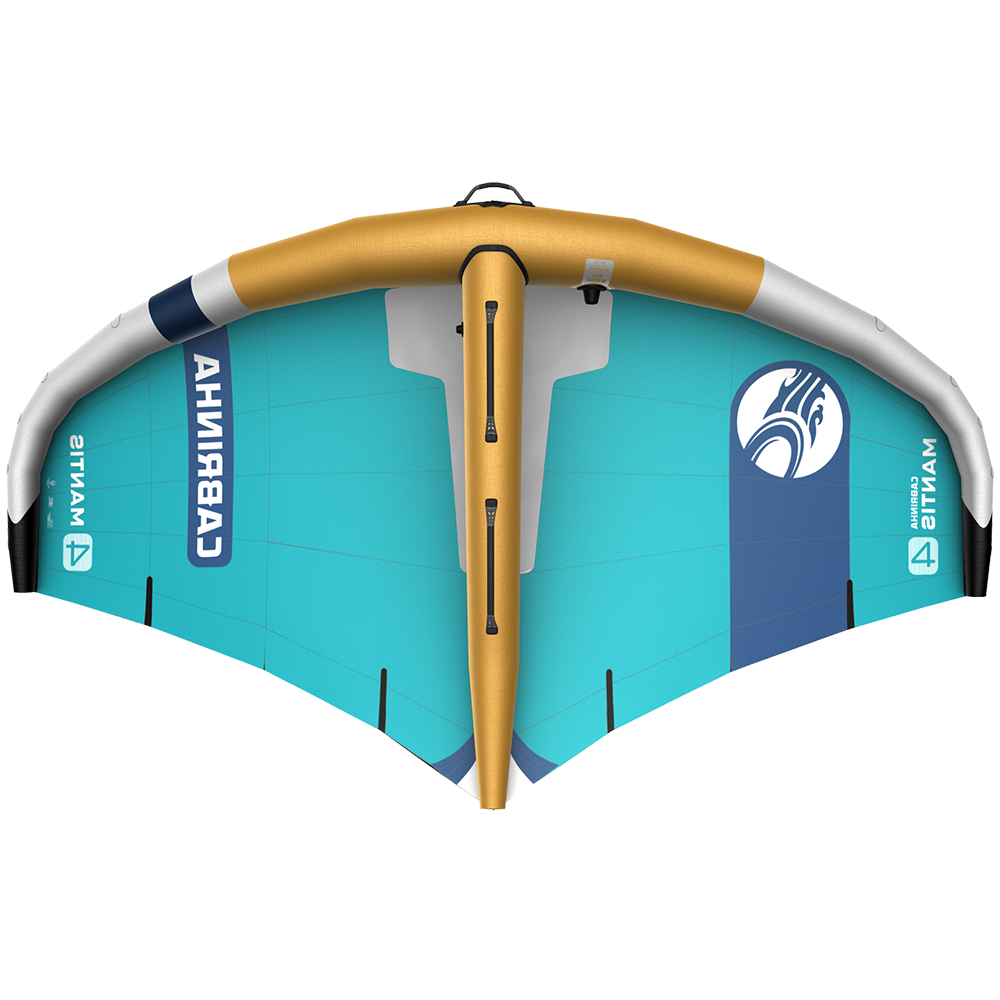
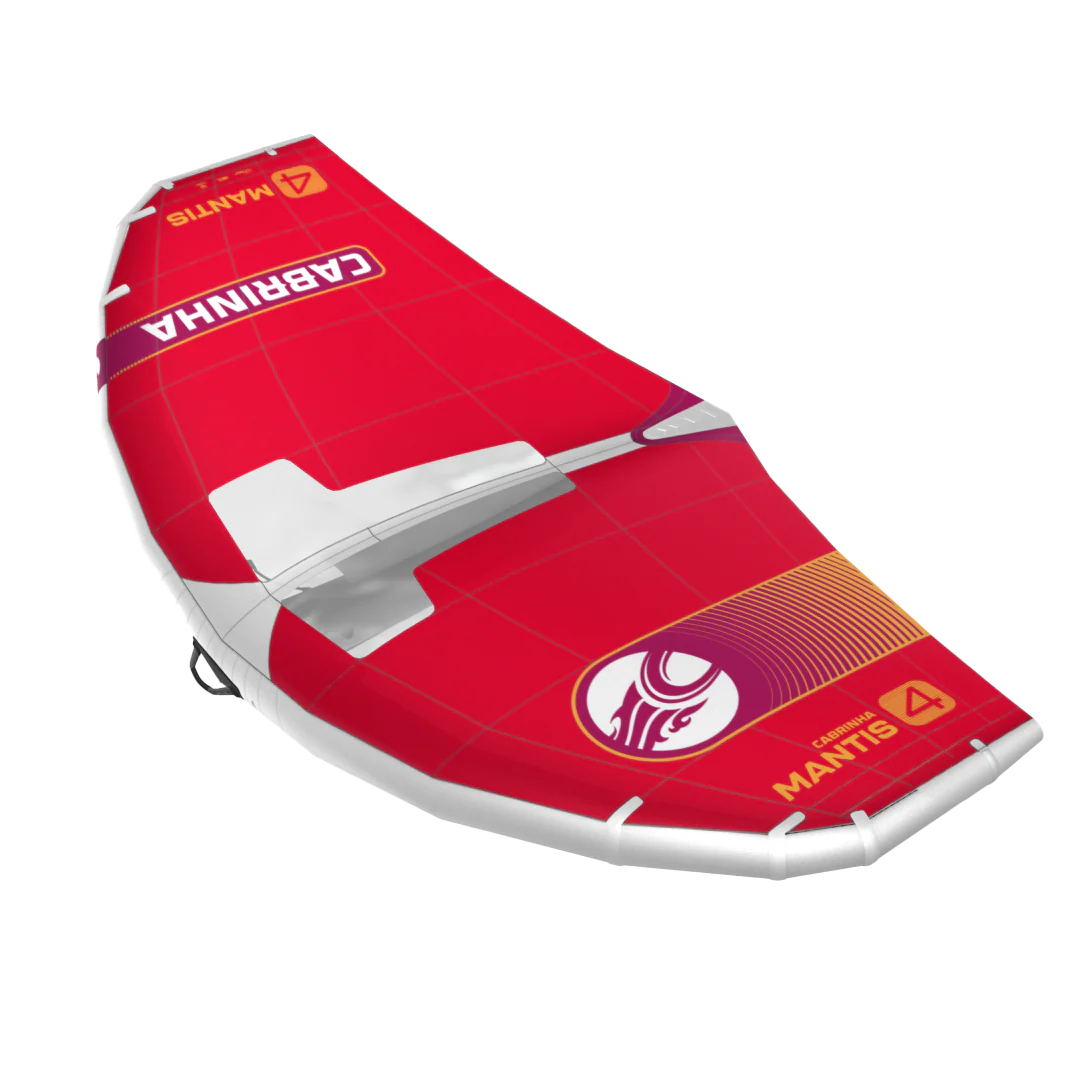
Prices and 2026 specs are pulled live from each product page. Confirm on the product page before checkout.
04 — MistakesThree mistakes we see every week
Ready to get on foil?
Check our full wing foil range — we stock beginners' quivers and individual pieces, with advice emails before checkout.
Frequently asked
You hold a wing (2.5–7 m²) in your hands instead of controlling a kite overhead. Wing foil starts around 12 knots, not 10. Easier learning curve, instant depower, and no relaunch needed.
Not really. Wing foil boards are smaller (70–150 L typical), sit higher on the mast, and have different balance points. Kiteboard geometry doesn't translate.
12–14 knots with a 5–5.5 m² wing is enough. As you progress, you'll ride in 12–30 knots depending on your board and wing size.
Budget €1,200–1,700 for a entry-level wing, aluminium foil, and board. Our Duotone Unit SLS and Cabrinha Mantis fall right in that range and won't leave you wanting upgrades in six months.