Windsurfing Viganj & Pelješac, Croatia — Complete Guide
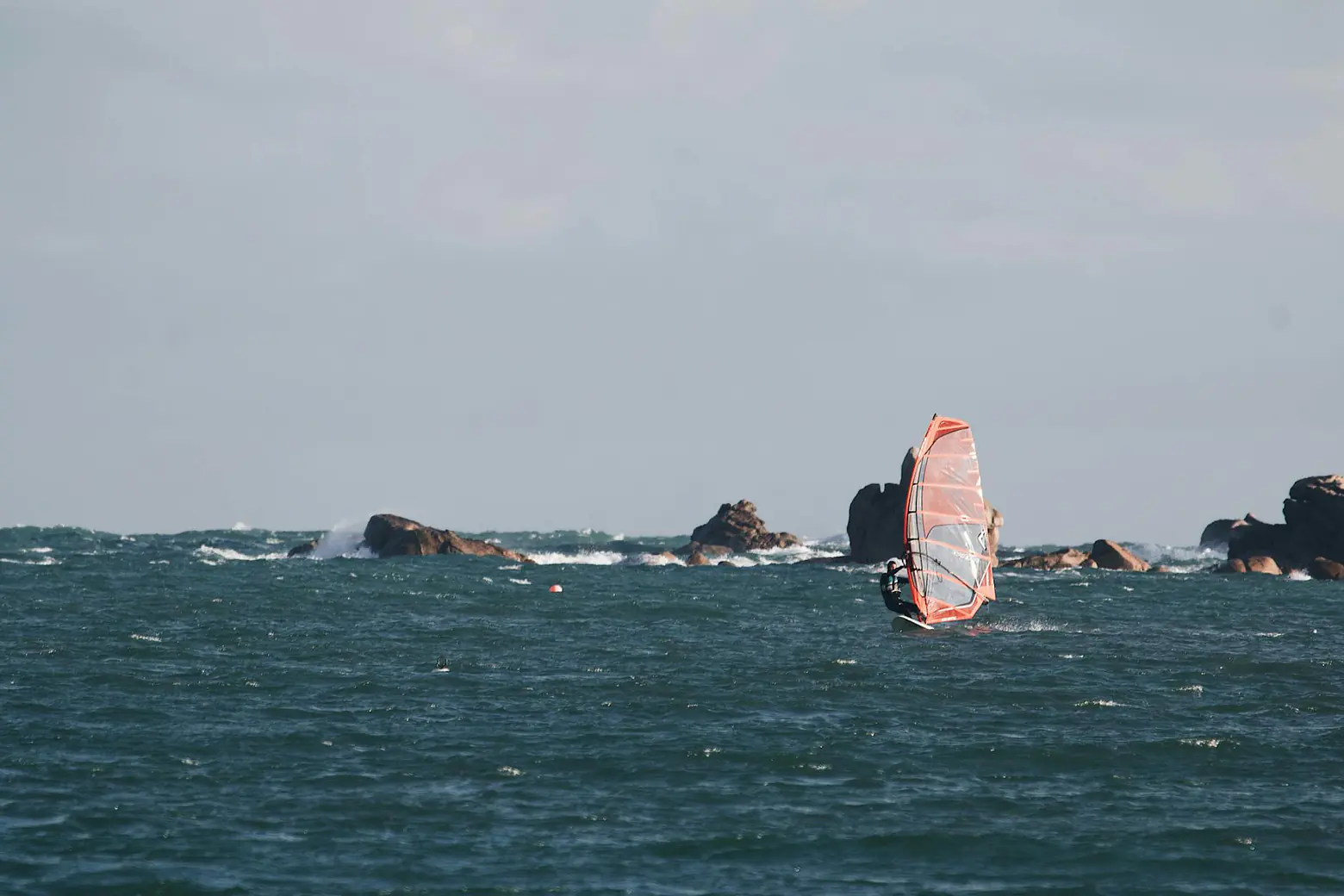
Viganj sits on Croatia's Pelješac Peninsula where the Maestral wind funnels down the Korčula Channel and builds to 15–25 knots nearly every afternoon. We've shipped boards there since 2003, and riders consistently tell us it's one of the Adriatic's most reliable spots. Here's what you need to know before you go.
Viganj delivers consistent Maestral winds, predictable afternoon thermals, and easy beach entry on a long pebble shore. Mornings are glassy; afternoons turn lively. Bring a wave quiver (smaller boards for chop), respect ferry traffic toward Korčula, and watch the wind clock—you'll be rigged and riding by 2 p.m. most days.
01 — Thermal funnelWind Pattern: The Maestral Advantage
The Maestral—a thermal north-westerly—builds like clockwork every afternoon from May through September. It starts weak around 10 a.m., peaks between 2–6 p.m., and drops by sunset. That's your golden window. The wind funnels down the Korčula Channel and accelerates, so the forecast often reads 12–15 knots but you'll see 18–25 on the water by mid-afternoon.
Morning glass is real here. If you're an early riser, you'll get glassy conditions before the Maestral kicks in—perfect for learning or dialling in technique. But most riders come for the afternoon blow. The wind is consistent enough that you can dial in one sail size and ride most of the day without a rig swap.
02 — Planning your tripSeasons, Wind Strength & What to Pack
May through September is prime. June, July, August see the most reliable wind and warmest water (around 22–24°C). A 3/2 mm or 2/2 mm wetsuit is enough. October is still good but water drops to 18°C; bring a 4/3 mm. April and November are hit-or-miss—the Maestral doesn't always show.
For your quiver, pack a 5.0 m² and a 6.5 m² sail. The 5.0 m² handles the strong afternoon wind and chop; the 6.5 m² works the lighter morning sessions and gives you float on marginal days. Boards should be wave-oriented—Viganj throws choppy conditions, not clean swell—so look at something in the 75–90 L range, footsteering-friendly, with good edge hold.
03 — Our picksOur 4 in-stock picks
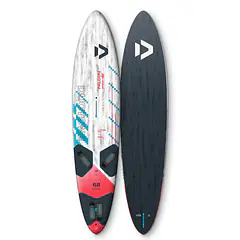
We stock JP Australia wave boards because they handle Viganj's messy chop and ferry wakes without flinching. All four below are in stock now; pick the one that matches your size and wind preference.
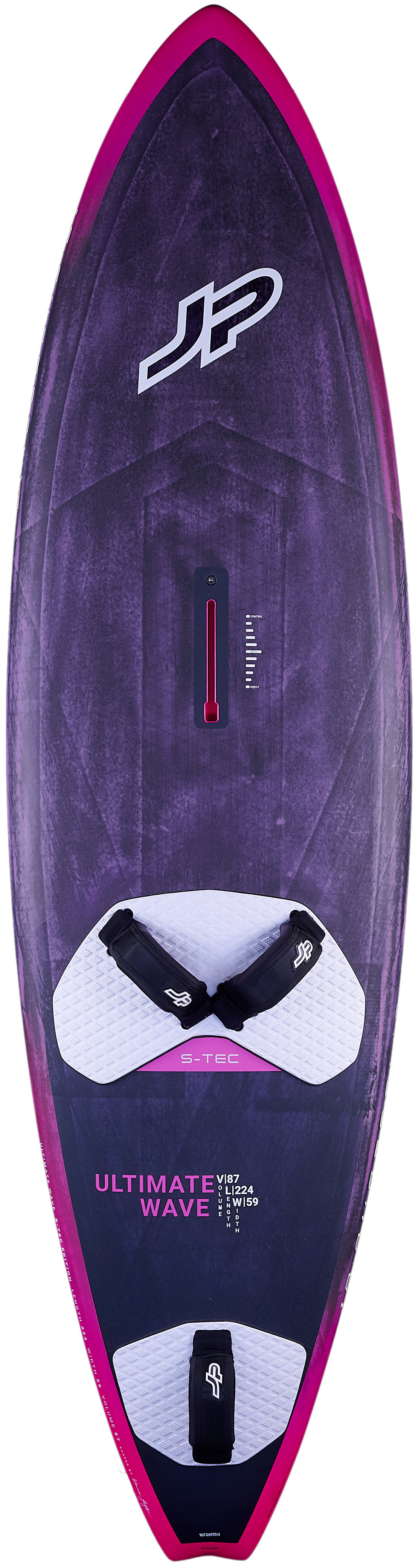
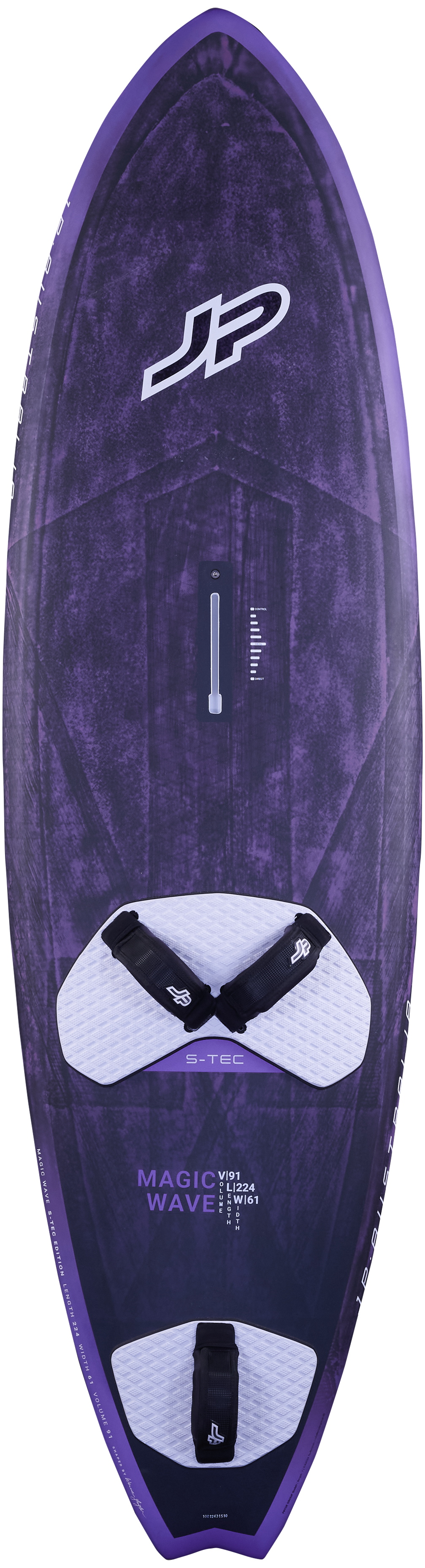
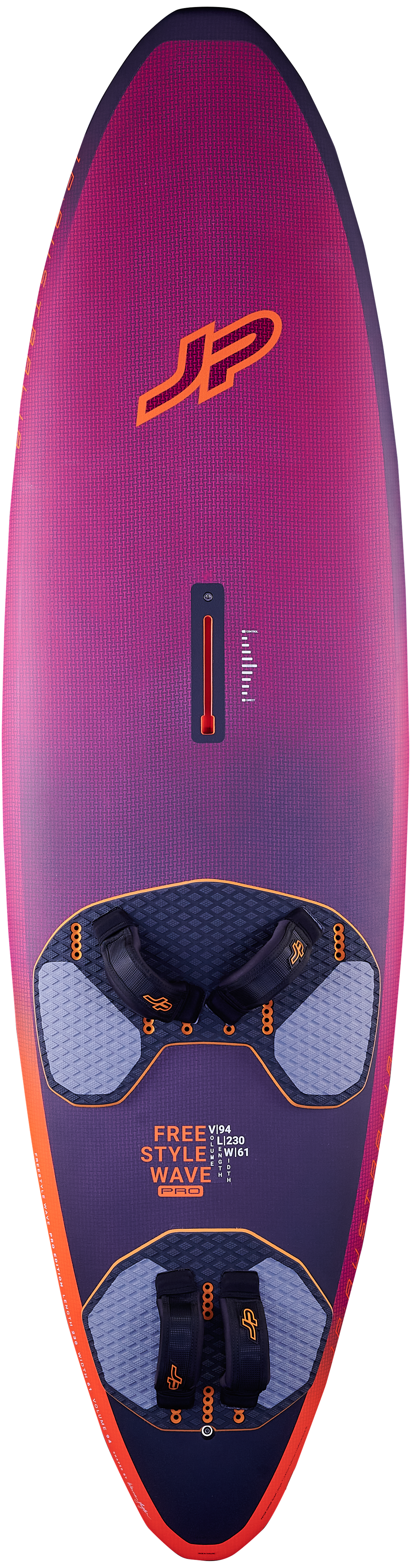
Prices and 2026 specs are pulled live from each product page. Confirm on the product page before checkout.
04 — MistakesThree mistakes we see every week
Ready to ship to Viganj?
Browse our full JP Australia and Tabou wave board range—all dispatch within 48 hours across Europe.
Frequently asked
June through August. The Maestral is most reliable, water is warmest (22–24°C), and you'll get 15–25 knots nearly every afternoon. September is still solid; April and May are unpredictable.
Wave boards only. Viganj is choppy and bumpy from ferry traffic and thermal turbulence. A freestyle board will get thrashed. Wave boards like the JP Ultimate Wave S-TEC are designed for exactly these conditions.
Yes, but only if you're there by 8–9 a.m. You'll get glassy conditions and light wind (5–10 knots), perfect for technique work. By 11 a.m. it's glossy but weak, and not worth the wait unless you love light-wind sailing.
A 5.0 m² and 6.5 m² sail cover 90% of Viganj days. The 5.0 m² handles strong afternoon gusts; the 6.5 m² gives you float on lighter mornings and marginal sessions.