Windsurfing at Lake Garda — Spot & Wind Guide
Lake Garda isn't just Europe's largest lake—it's the most reliable inland wind factory on the continent. We've shipped kits to riders across Italy for over 20 years, and the consistency here is genuinely remarkable. This guide covers wind patterns, spots for every level, and what you actually need to pack.
Lake Garda delivers predictable thermal winds (12–20 knots, May–September) across multiple launch zones. The Peler (northerly) dominates the north shore (Riva del Garda, Torbole); the Ora (southerly) shapes the south (Desenzano). You'll need both a wave quiver and a freeride board—conditions change daily. Riders from our shop session here regularly.
01 — Wind systemsWhy Lake Garda Works: The Thermal Engine
Garda's magic comes from geography. The lake sits in a north-south valley, funnelling cool morning air from the Alps down into warm southern basins. Every single day from May through September, you get predictable thermals—no guessing, no dead afternoons.
The Peler (northerly) kicks in around 9 a.m. on the north end, building to 12–18 knots by midday. It's crisp, clean, and stays until sunset. The Ora (southerly) rises from the south in late morning, peaks 14–20 knots by afternoon, and dominates the southern bays. Both systems are strong enough for wave riding, smooth enough for freestyle if you've got the board for it.
July and August can push 20+ knots consistently. June and September are slightly lighter but still reliable—never a wash-out day we've seen in two decades here.
02 — Launch zonesSpots for Every Skill & Style
Riva del Garda (north) is where everyone learns. Flat water, protected launch, 12–16 knots, perfect for freeride boards 150–180 L. The beach breaks into shoulder-high chop by midday—good practice for control, not scary. Head here first if you're new to the lake.
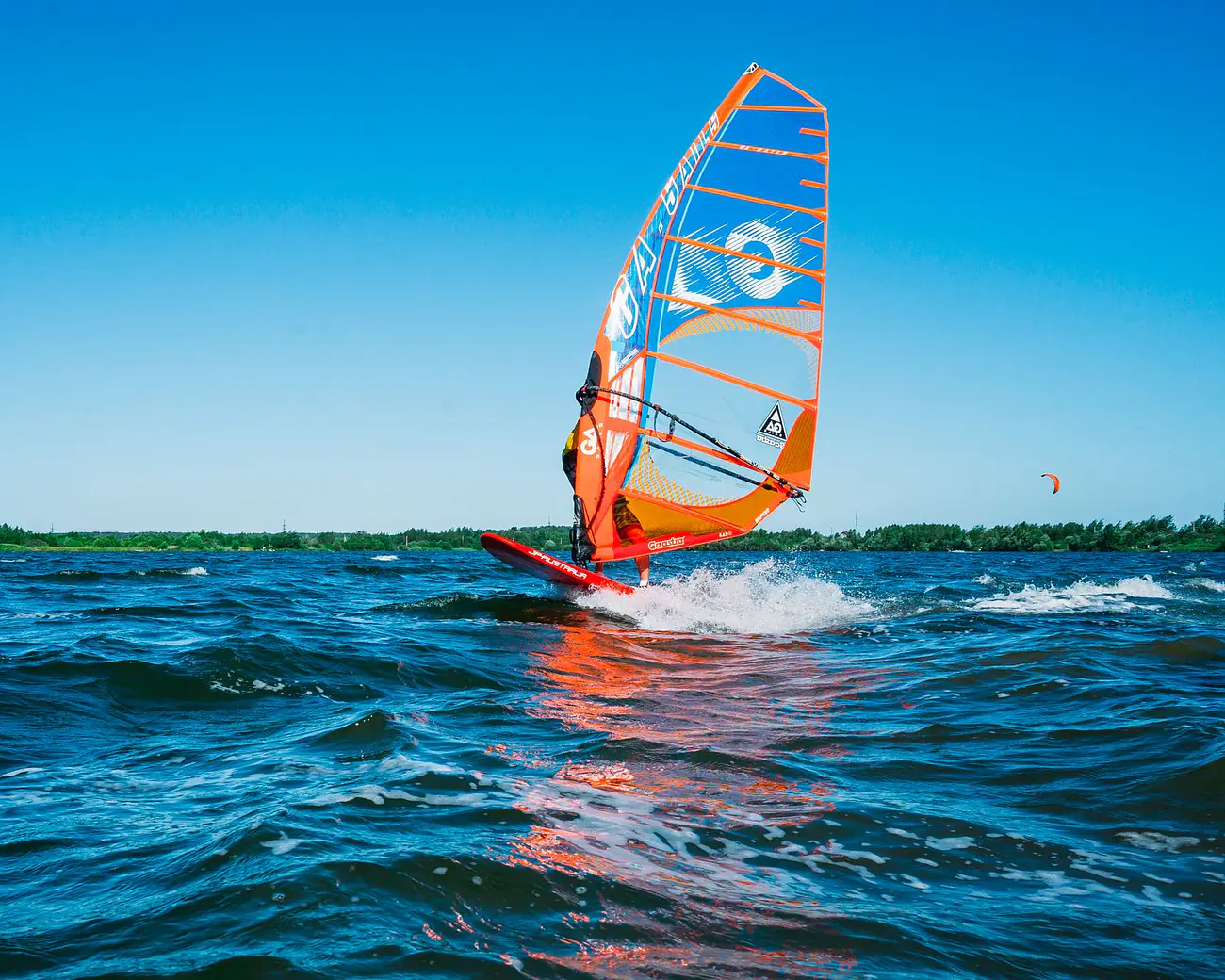
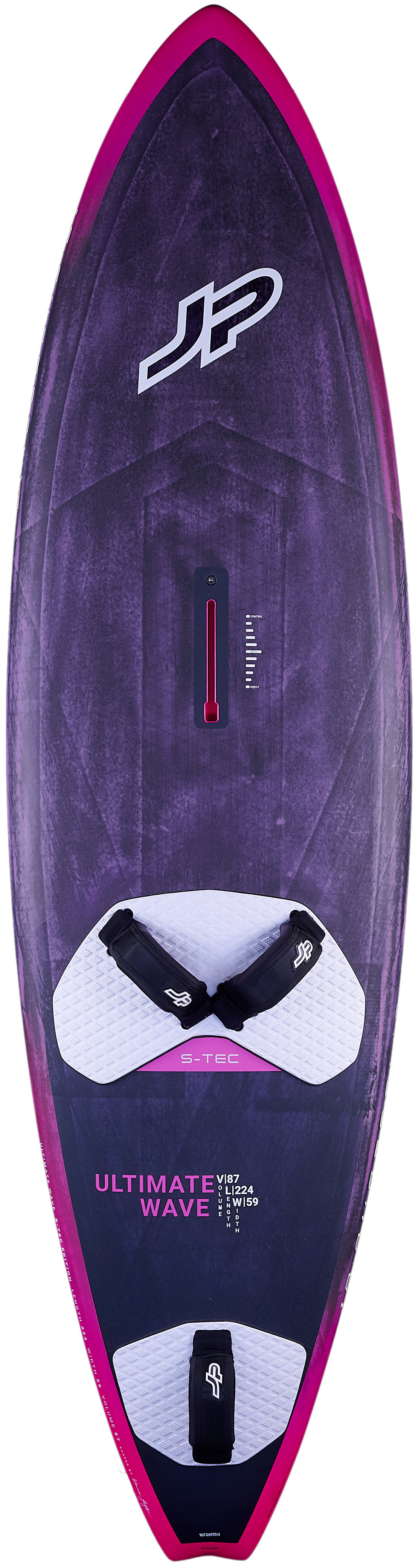
Torbole (north) is the wave playground. Wind channels hard off the cliff face, and you get proper 3–4 foot lake swells when the Peler maxes out. This is where you bring a 75–95 L wave board and a 4.5–5.5 m² sail. JP riders we know swear by the JP Ultimate Wave S-TEC 2026 here—it holds an edge in choppy water better than lighter alternatives.
Desenzano (south) suits intermediate freeride—steady Ora, deeper water, fewer beginners. Bring a 140–170 L board and 5.0–6.5 m² sail. Slightly more technical launch, but the wind window is longer and more predictable than the north.
03 — Our picksOur 4 In-Stock Picks
We stock JP's full 2026 wave range because we've tested every one here on Garda. Pick a wave board for chop days at Torbole, a freeride board for Riva's flat water, and you're covered for the season.
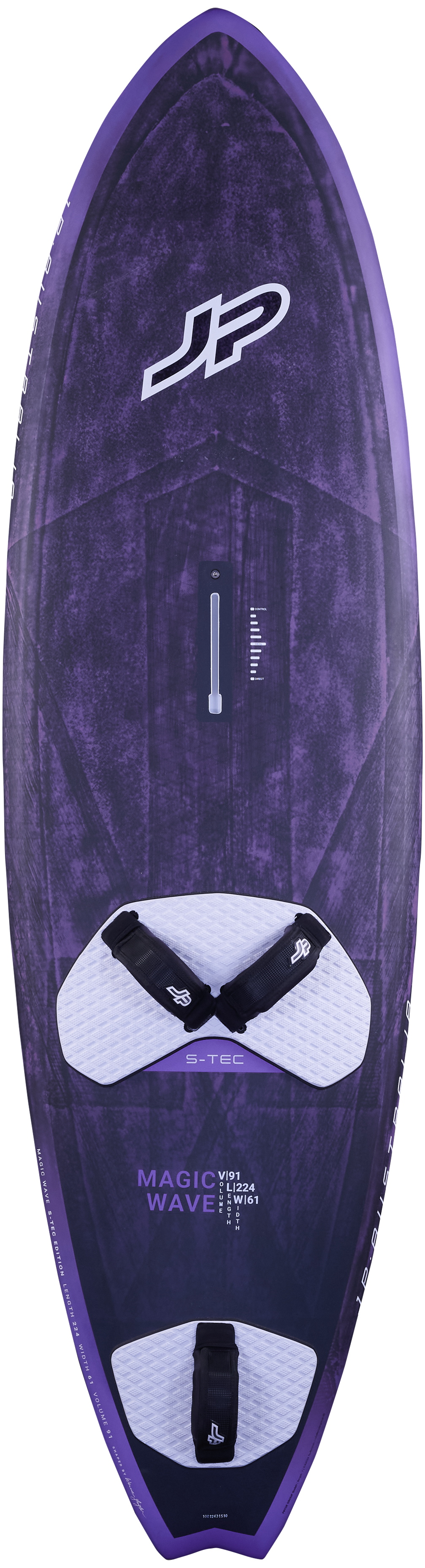
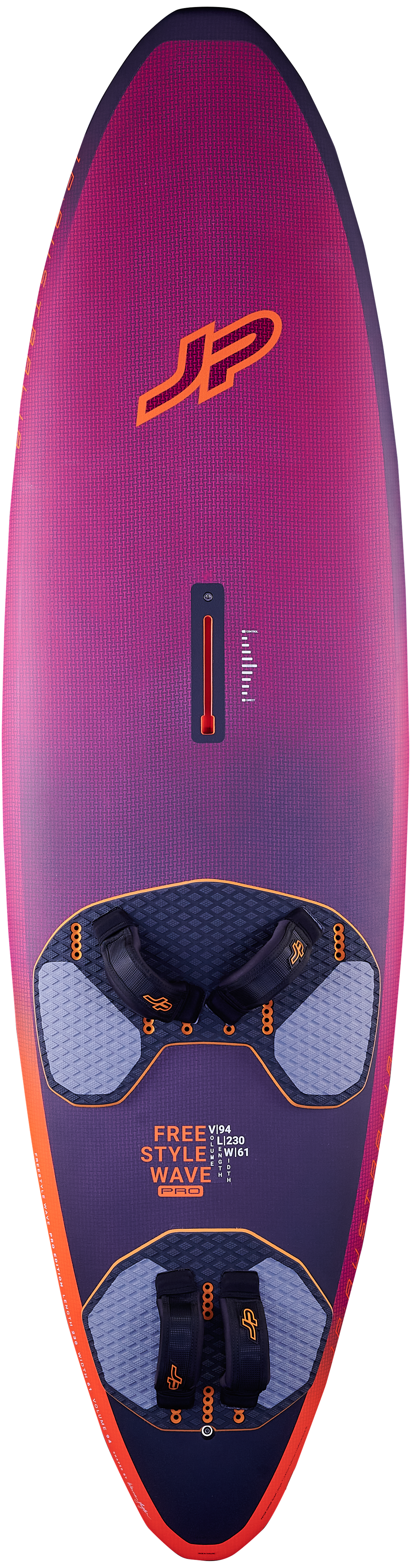
Prices and 2026 specs are pulled live from each product page. Confirm on the product page before checkout.
04 — MistakesThree mistakes we see every week
Ready to ride Garda?
We stock JP Australia wave boards, Tabou freeride decks, and NeilPryde sails built for inland thermals. Browse our windsurf boards and find your quiver.
Frequently asked
May to September, with July–August most reliable. June and September are lighter but still consistent 12–16 knots. October onward you'll hit autumn lows and fewer thermal days.
Freeride works at Riva and Desenzano. At Torbole when the Peler's firing, a proper 75–95 L wave board handles chop way better. Bring both if you can.
Bring 5.0 or 5.5 m² as your go-to. Add 6.5 m² for light mornings and 4.5 m² for peak afternoon Peler. Skip 7.5 m²—Garda rarely justifies it.
Yes, especially July–August weekends. Launch early (before 9 a.m.) or mid-week. The lake's big enough—you'll find clear water even on busy days, just not prime real estate.