
Windsurfing in Winter — Cold Weather & Wetsuit Guide
Winter wind is glorious, but water temperature isn't forgiving. The right wetsuit keeps you warm for full sessions—not just the first hour. We'll show you how to match thickness to conditions and find the seams that actually trap heat.
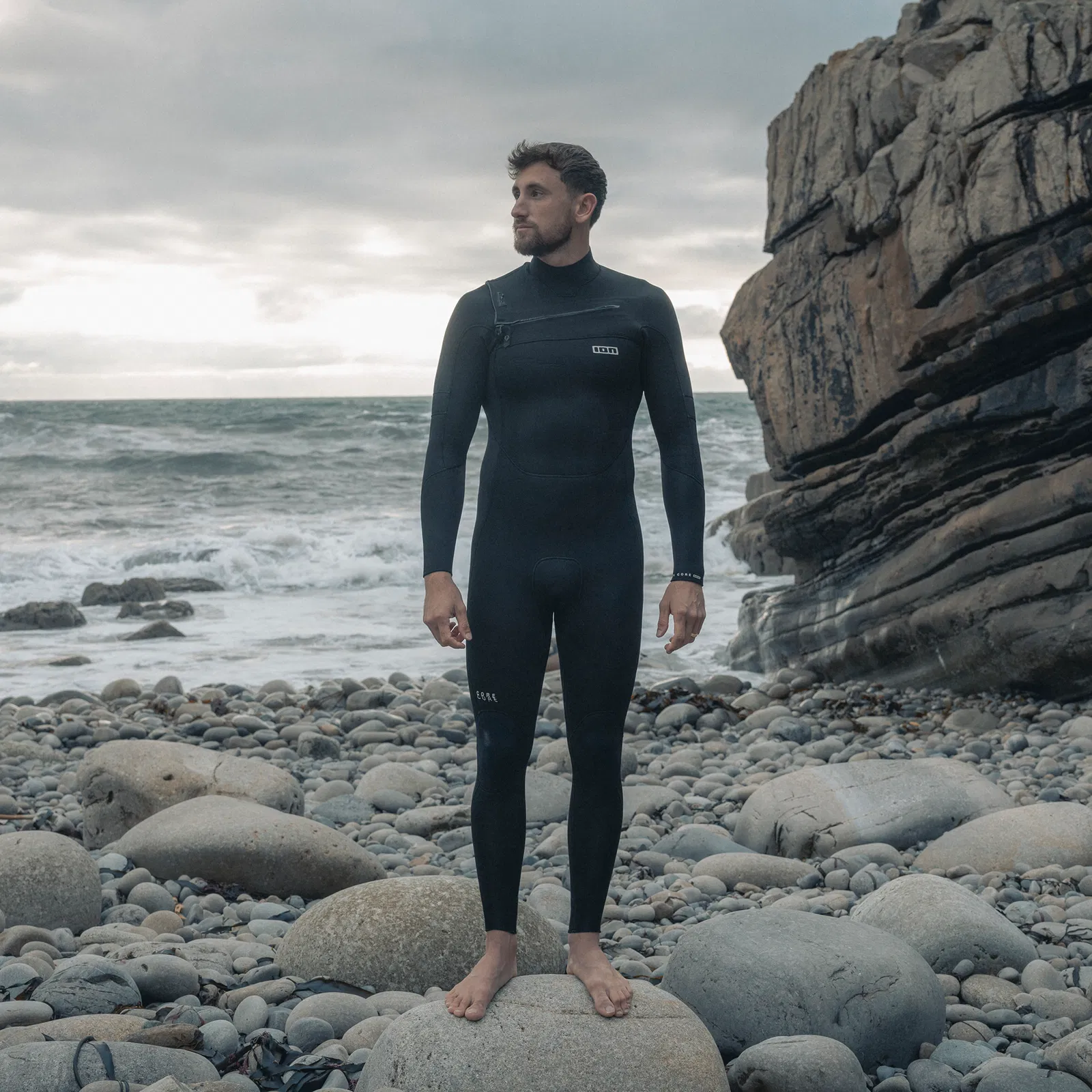
Winter windsurfing in Northern Europe demands a 5/4 mm sealed wetsuit minimum for 8–12°C water, and 6/5/4 mm below 8°C. Look for GBS seams, thermal chest panels, and neoprene linings that lock in warmth. The Neilpryde Serene Fullsuit GBS 5/4 BZ and Vamp 5/4 are our top picks for serious cold-water sessions.
01 — Matching ConditionsWater Temperature & Thickness
This is non-negotiable: water temperature dictates thickness. Winter in Northern Europe—Tarifa, the North Sea, the Adriatic—drops fast. 8–12°C? You need a 5/4 mm minimum. Below 8°C, move to 6/5/4 mm. We've shipped thousands of wetsuits since 2003, and riders consistently underestimate the jump from autumn to mid-winter.
A 4/3 mm feels fine in October. By December, it's a liability. Your core cools faster than you think, and once hypothermia creeps in, your session ends—or worse. Don't gamble on thickness.
02 — Construction DetailsSeams, Linings & Heat Retention
GBS (Glued and Blind Stitched) seams are the gold standard for winter. They're sealed with glue before stitching, which means zero water flushing through the seams. A traditional flat-lock seam will let water in—fine for summer, brutal for winter. If the product page says GBS, you've got it right.
The chest panel matters more than you'd think. Neoprene with a thermal lining (often fleece-backed) traps a thin layer of warm water against your torso. The Neilpryde Serene Fullsuit GBS 5/4 BZ uses a thermal chest panel specifically designed for extended cold sessions. That detail adds hours of comfort.
03 — Our picksOur Winter Picks
We've got four proven 5/4 and 4/3 options in stock right now. Each is built for winter conditions across Northern Europe. Pick based on your local water temp and how much padding you need.


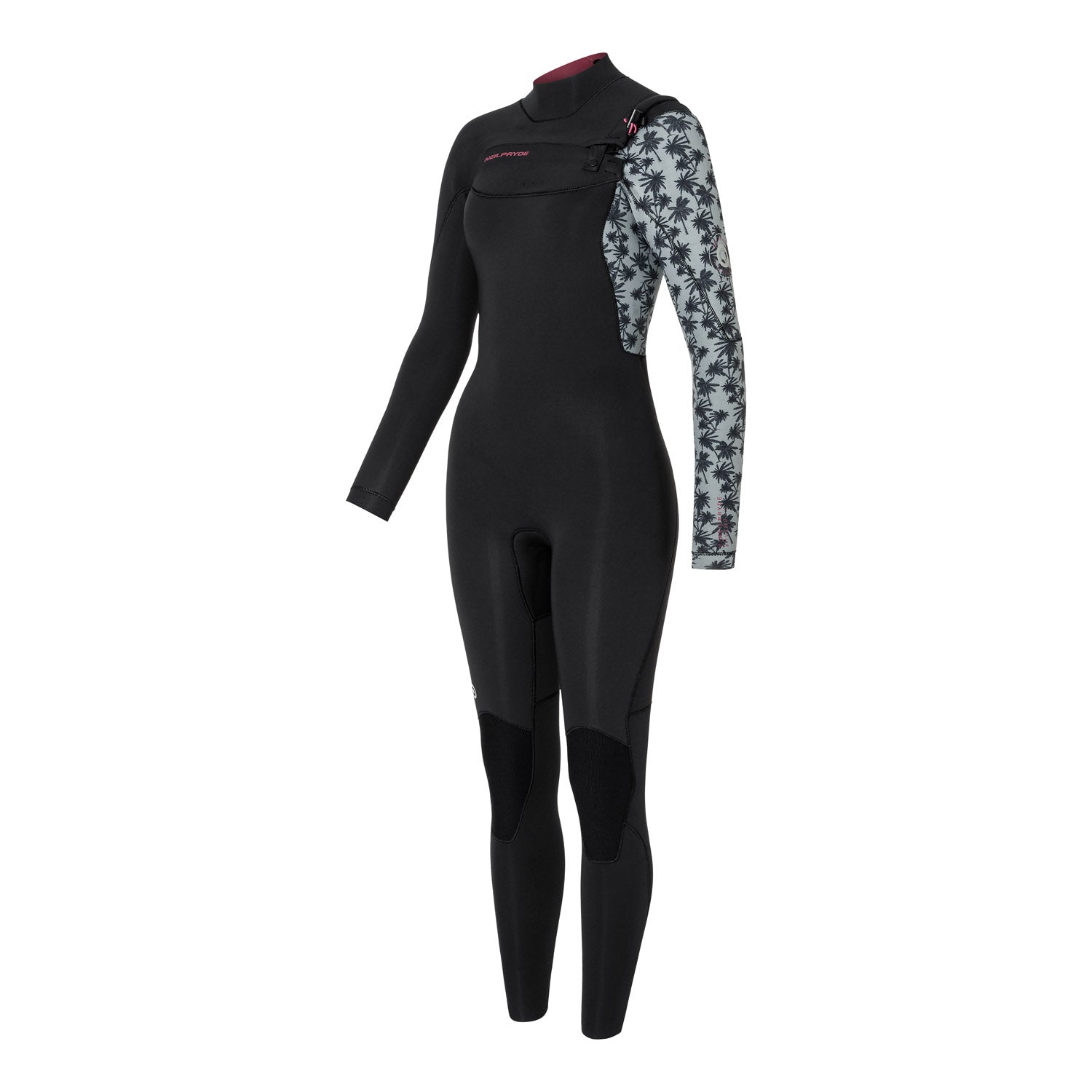
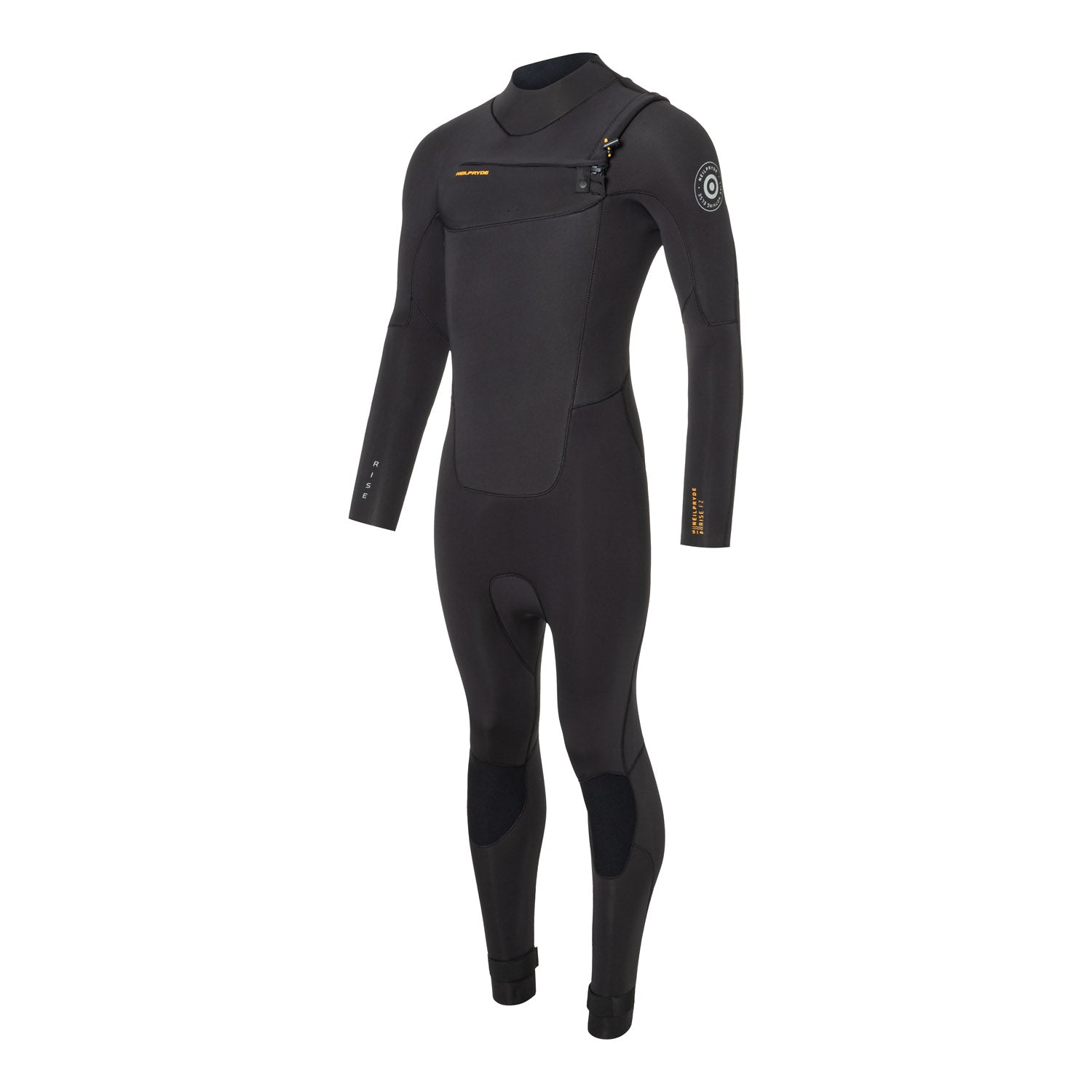
Prices and 2026 specs are pulled live from each product page. Confirm on the product page before checkout.
04 — MistakesThree mistakes we see every week
Ready to gear up for winter?
Browse our full range of 5/4 and 4/3 winter wetsuits—all in stock and ready to ship.
Frequently asked
5/4 mm has 5 mm neoprene on the torso (core warmth) and 4 mm on the limbs (mobility). 4/3 trades warmth for freedom. In winter, go 5/4—the core is where it counts.
Yes, but you might overheat during active sessions. If your break ranges between 12–15°C, a 4/3 works. Once you drop below 12°C consistently, switch to 5/4.
A hood helps in extreme conditions (below 6°C), but a fullsuit with a solid neck seal handles most North European winter. Check your local water temp first.
With regular freshwater rinses and air-drying, a 5/4 mm suit lasts 2–3 seasons of winter use. Neoprene degrades faster in cold, so quality construction matters.