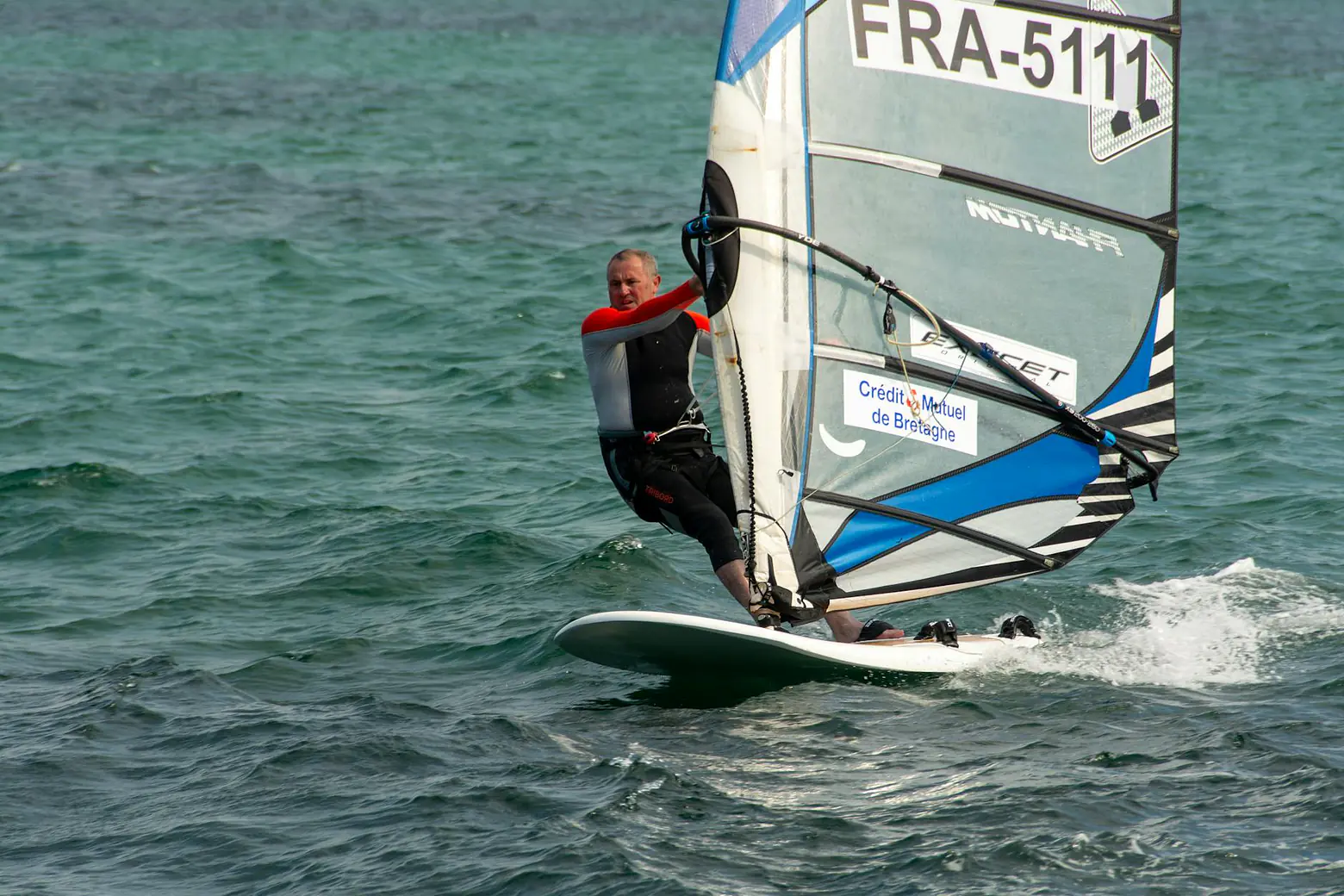
Windsurf Boom Guide 2026 — How to Choose the Right Boom
Your boom is the only thing between you and the sail—get it wrong and you're fighting the rig all day. We'll walk you through length, material, and weight so you pick the boom that actually fits how you ride.
Pick a boom by matching length to your sail size (usually 160–220 cm), deciding between carbon (light, stiff, pricey) or aluminium (durable, forgiving, cheaper), and testing the grip diameter in your hands before you buy. Carbon suits hard-charging riders; aluminium suits learning and rough water. Weight difference between them is 1.5–3.5 kg—real over a long session.
01 — SizingBoom Length: The One Measurement That Matters
Boom length isn't a guessing game. Your sail size dictates the boom length: wave sails (3.0–4.5 m²) sit at 140–170 cm, freestyle at 160–180 cm, and freeride at 180–220 cm. If your boom is too short, you'll over-grip and tire your arms. Too long, and the sail angle goes slack—you'll lose control and power.
We recommend measuring your inseam and adding 10–15 cm as a starting point. Riders on the JP Ultimate Wave S-TEC or JP Magic Wave boards typically run 160–170 cm booms. Check the product page for your sail's recommended boom length—it's printed right on the luff.
02 — MaterialCarbon vs. Aluminium: Which Wins for Your Riding Style
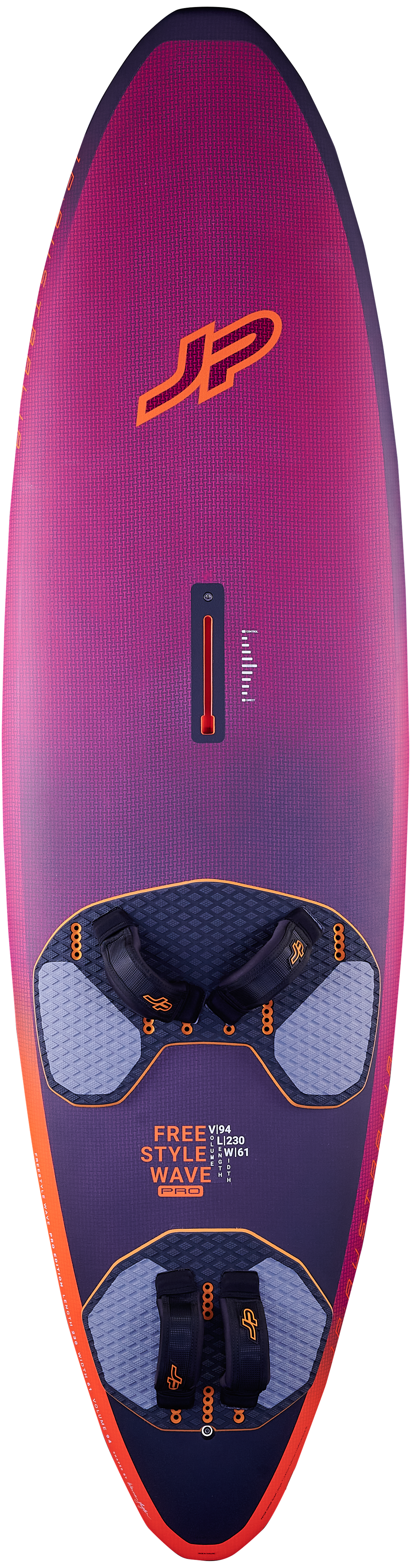
Carbon is stiffer, weighs 30–40% less, and transmits every input straight to the sail. Aluminium flexes more, absorbs shock, and forgives rough technique. For wave riders on boards like the JP Freestyle Wave PRO, carbon pays off—you're making quick turns and need feedback. For freestyle or learning, aluminium is cheaper and won't punish you for every mistake.
Weight difference matters: a carbon boom around 1.8–2.0 kg versus aluminium at 3.5–4.0 kg adds up on a long session. If you're riding 3–4 times a week, carbon saves your shoulders. If you're out once a month, aluminium does the job without the price tag.
03 — Our picksOur 4 In-Stock Picks
We've stocked JP and Tabou booms since 2003—these boards below come fitted with the right boom for their intended style. Check each product page for boom specs and compatibility with your sail.
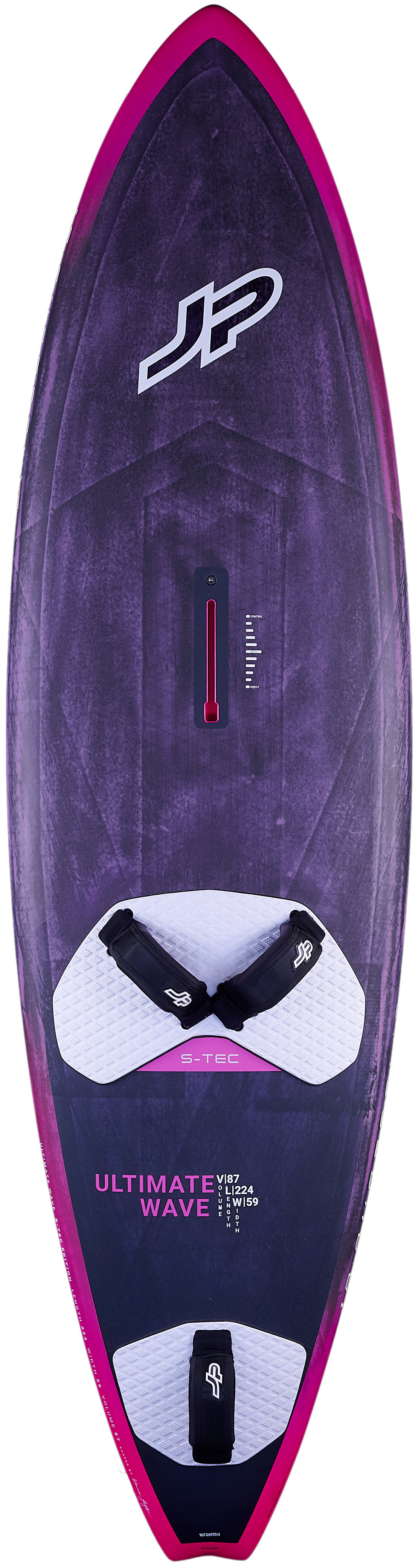
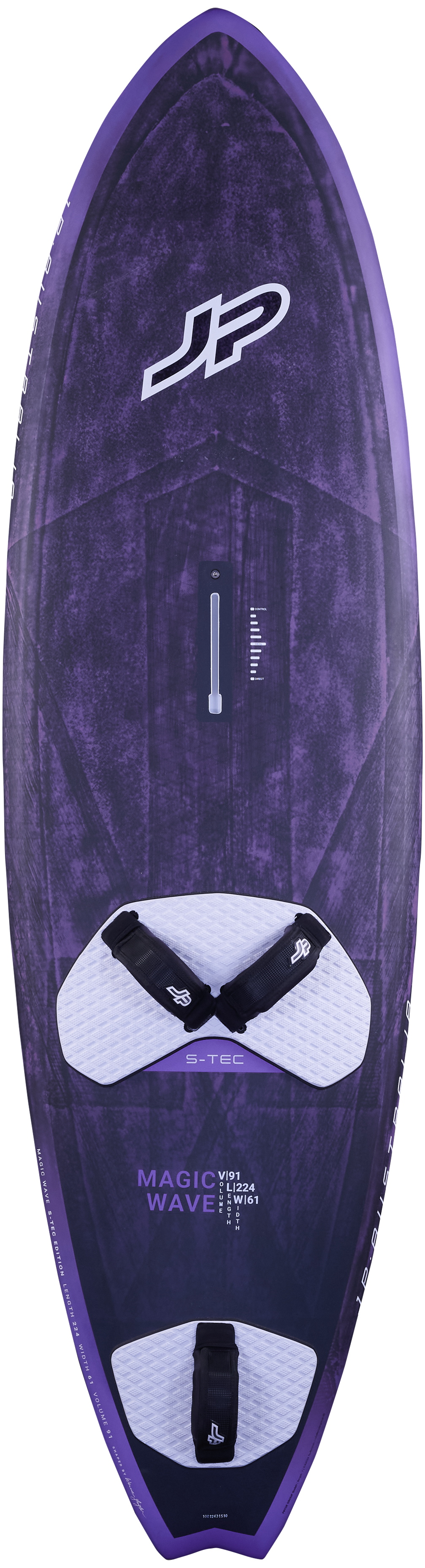
Prices and 2026 specs are pulled live from each product page. Confirm on the product page before checkout.
04 — MistakesThree mistakes we see every week
Boom colour has nothing to do with performance. Match boom length to your sail size and weight, not the graphics on your deck. We see riders skip a size because the boom didn't match their board—that's leaving control on the beach.
A boom that's too thick or too thin kills your hands on day two. Ask to hold the boom in-store or check the diameter (usually 25–29 mm). Your palm and fingers should wrap naturally—no tension, no gaps. Wrong grip = wrong boom, no matter the price.
You can't pick a boom until you know your sail size. If you're new, start with a wave or freeride sail (3.0–5.5 m²) and let that dictate boom length. Boom first is a recipe for wasted money.
Ready to nail your boom setup?
Browse our JP and Tabou windsurf boards in-store or online—we'll match the right boom to your sail.
Frequently asked
Yes—if your sails are close in size (e.g., 4.5 and 5.5 m²). Boom length should stay within 10 cm of the sail's recommended range. Outside that, you'll lose leverage or overshooting control.
180–200 cm for freeride sails (5.0–6.5 m²). Beginners usually start on larger sails that sit higher on the boom range. Check your sail's spec—it's your anchor.
No. A quality carbon or aluminium boom lasts 5+ years if you're not crashing hard. Inspect for cracks or dents after big wipes, but normal use—you're fine.
On short sessions, no. On 3+ hour days, weight adds fatigue. If you're riding 4+ times weekly, carbon's worth the invest. Casual riders? Aluminium won't hold you back.