What Is Big Air Kitesurfing? — Jumping & Tricks Explained
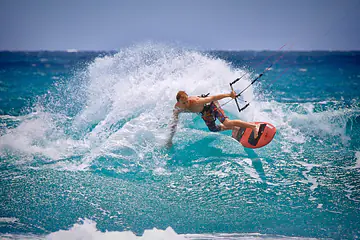
Big air kitesurfing is launching yourself metres above the water, performing tricks mid-flight, and landing clean. It's where you stop cruising and start flying—the gateway to freestyle.
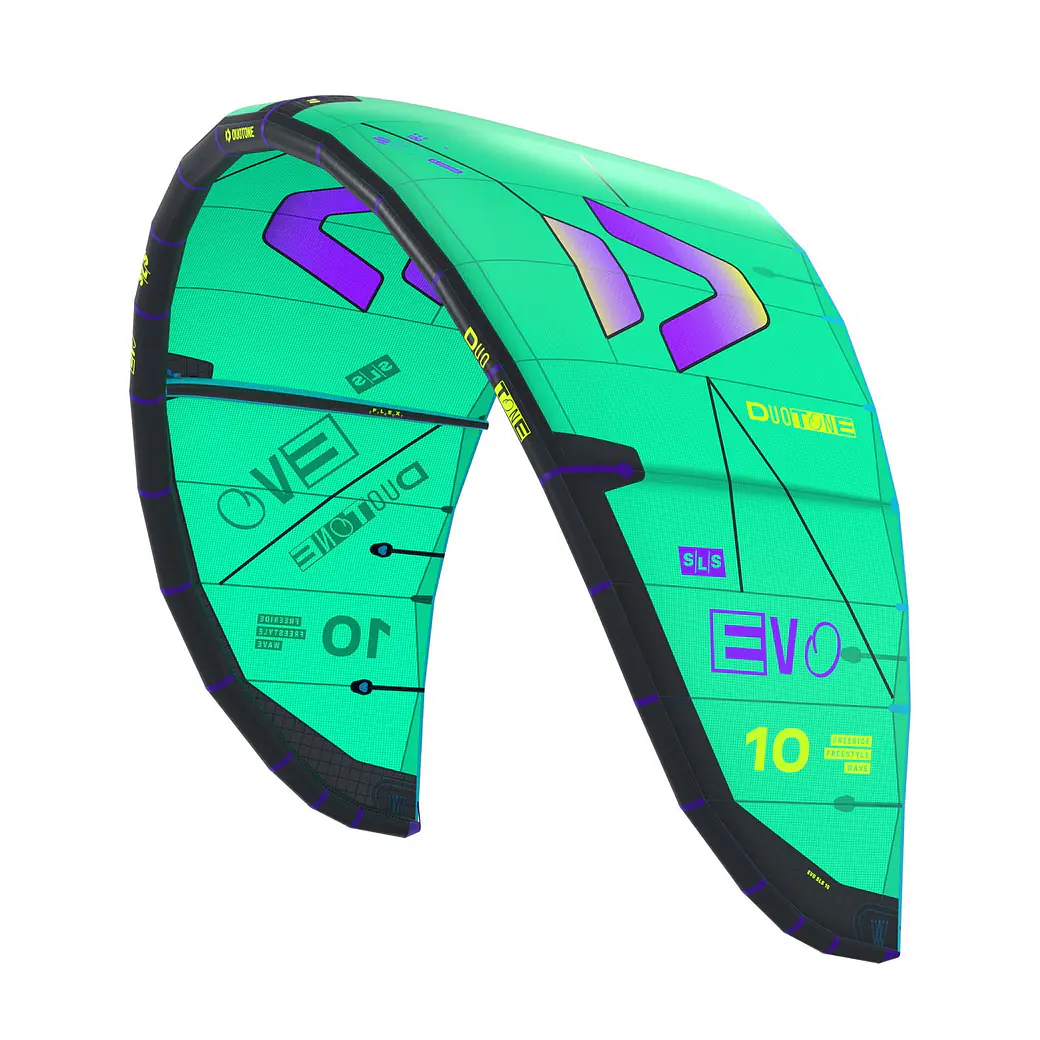
Big air is the art of using kite power to generate height (1–3 metres+), then executing aerial tricks—grabs, rotations, combinations—before landing safely. It demands clean wind, board speed, and kite control. You'll need a responsive kite like the Duotone Evo SLS 2026 or Duotone Rebel SLS 2026 to feel the difference between floating and truly flying.
01 — The mechanicsHow Big Air Actually Works
Big air isn't magic—it's physics and timing. You build speed across the water, edge your board hard into the wind, then pop off a wave or piece of chop. At the exact moment your board leaves the water, you move your kite (usually upward and slightly back). The kite's power lifts you, and your board comes with you. You're now airborne, in control, with a split second to grab your board, spin, or twist before gravity takes over.
The kite does the heavy lifting. Your job is managing that energy. Too much power and you'll overshoot; too little and you'll barely leave the water. This is why kite choice matters—you need something that responds instantly to your inputs. Riders in Tarifa and Cape Town tell us a snappy, progressive kite makes the difference between one-metre pops and proper air.
02 — Learning pathFrom Jump to Trick: The Progression
Everyone begins with simple jumps. Ride fast, edge hard, pop, let the kite lift you. Land, repeat. Once you're comfortable staying airborne for a full second, add a grab—reach down and touch your board mid-flight. This teaches you to stay balanced and confident in the air. Next come rotations: spin your body 180° or 360°, or twist the board beneath you. Combinations come last—grab, spin, land switch. Each trick builds on the last.
The mental shift is real. Your first metre of height feels terrifying. Your tenth feels routine. By your fiftieth, you're thinking about style. This progression takes weeks or months depending on wind conditions and how often you're out. We've shipped hundreds of freestyle setups since 2003, and the pattern is always the same: patience beats raw power.
03 — Our picksWhich Kite Should You Ride for Big Air?
You need a kite that's responsive, forgiving at the top of your jump, and snappy in the turn. The Duotone Evo SLS 2026, Duotone Rebel SLS 2026, Duotone Dice SLS 2026, and Duotone Neo SLS 2026 all excel at this. Pick based on your weight and wind range—check each product page for specs.
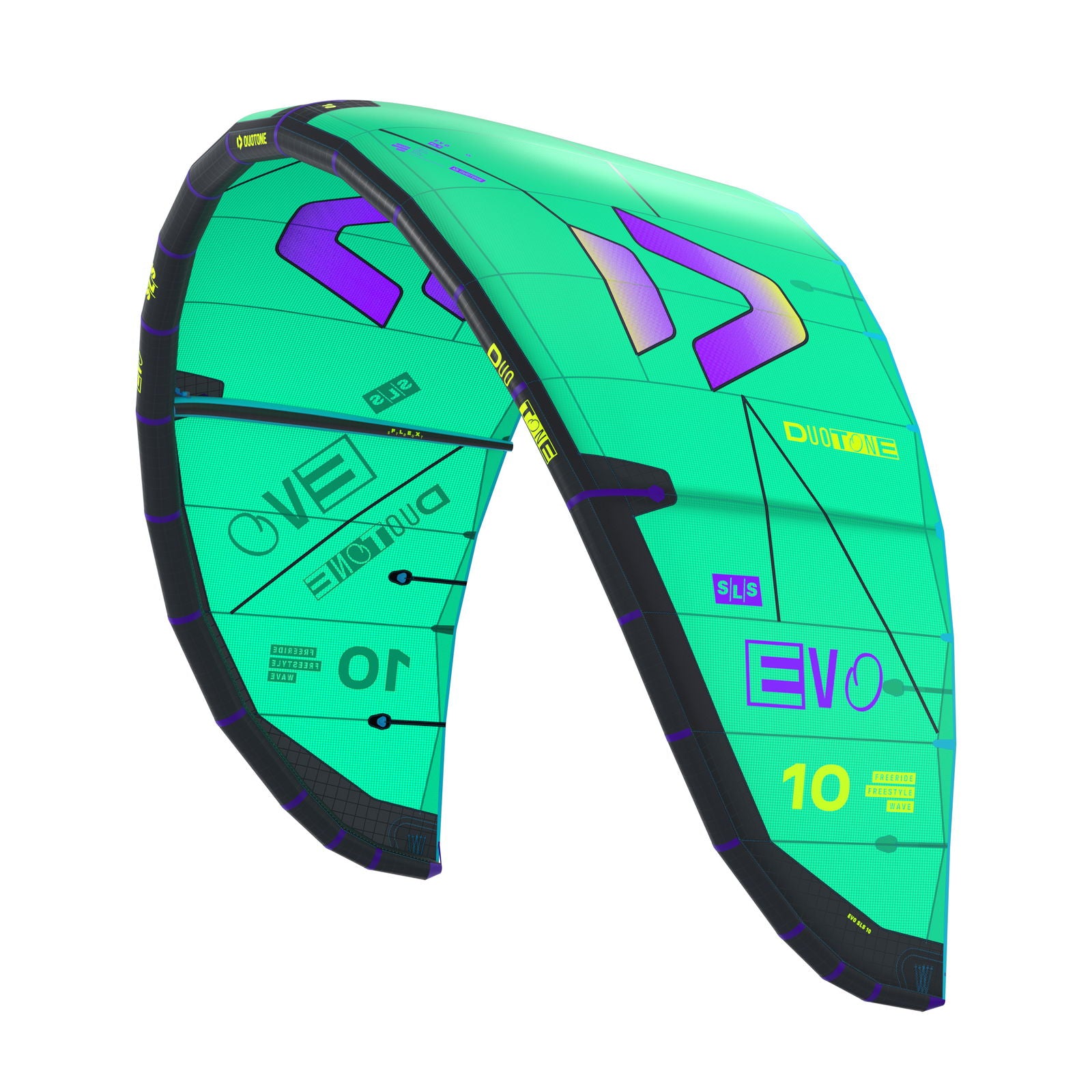
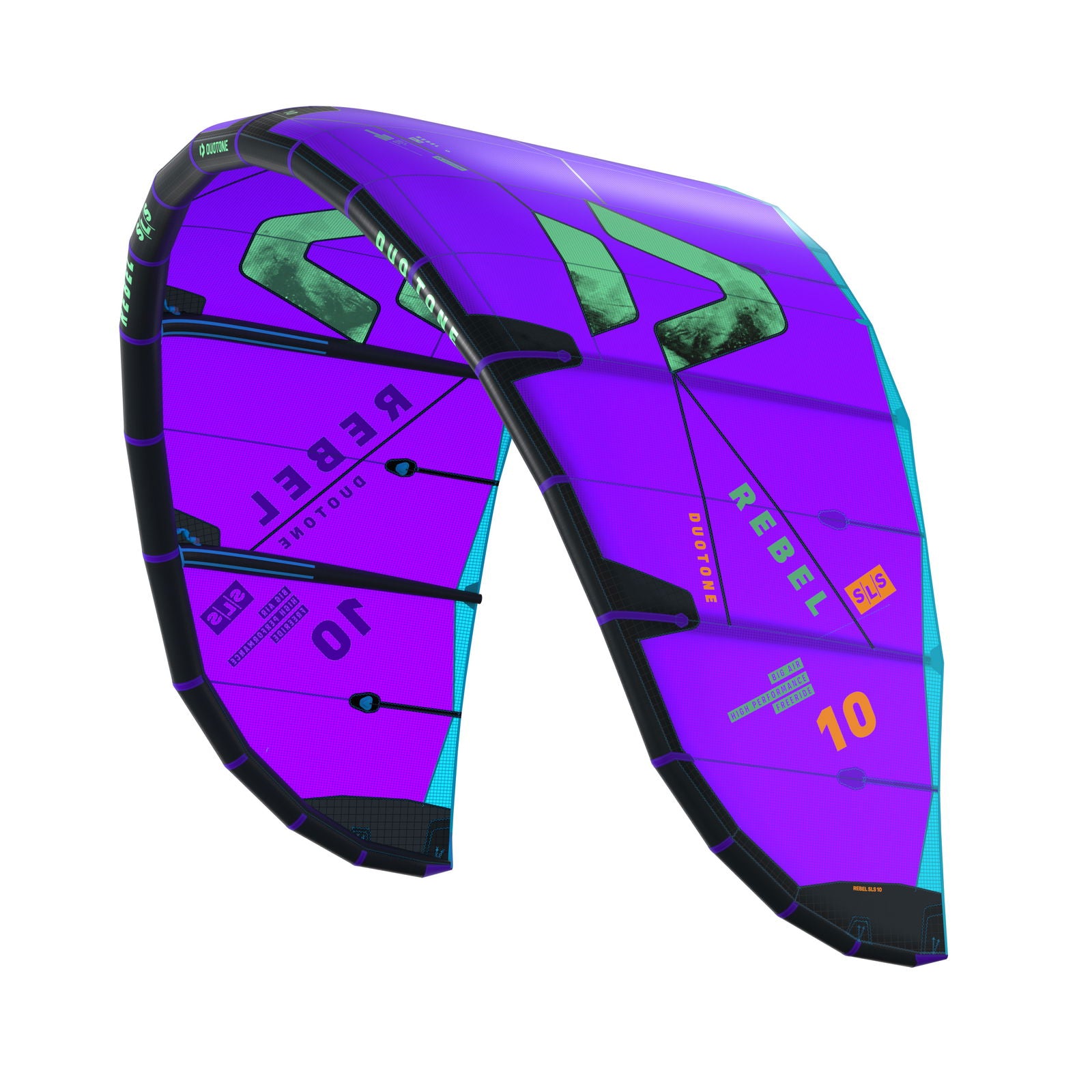
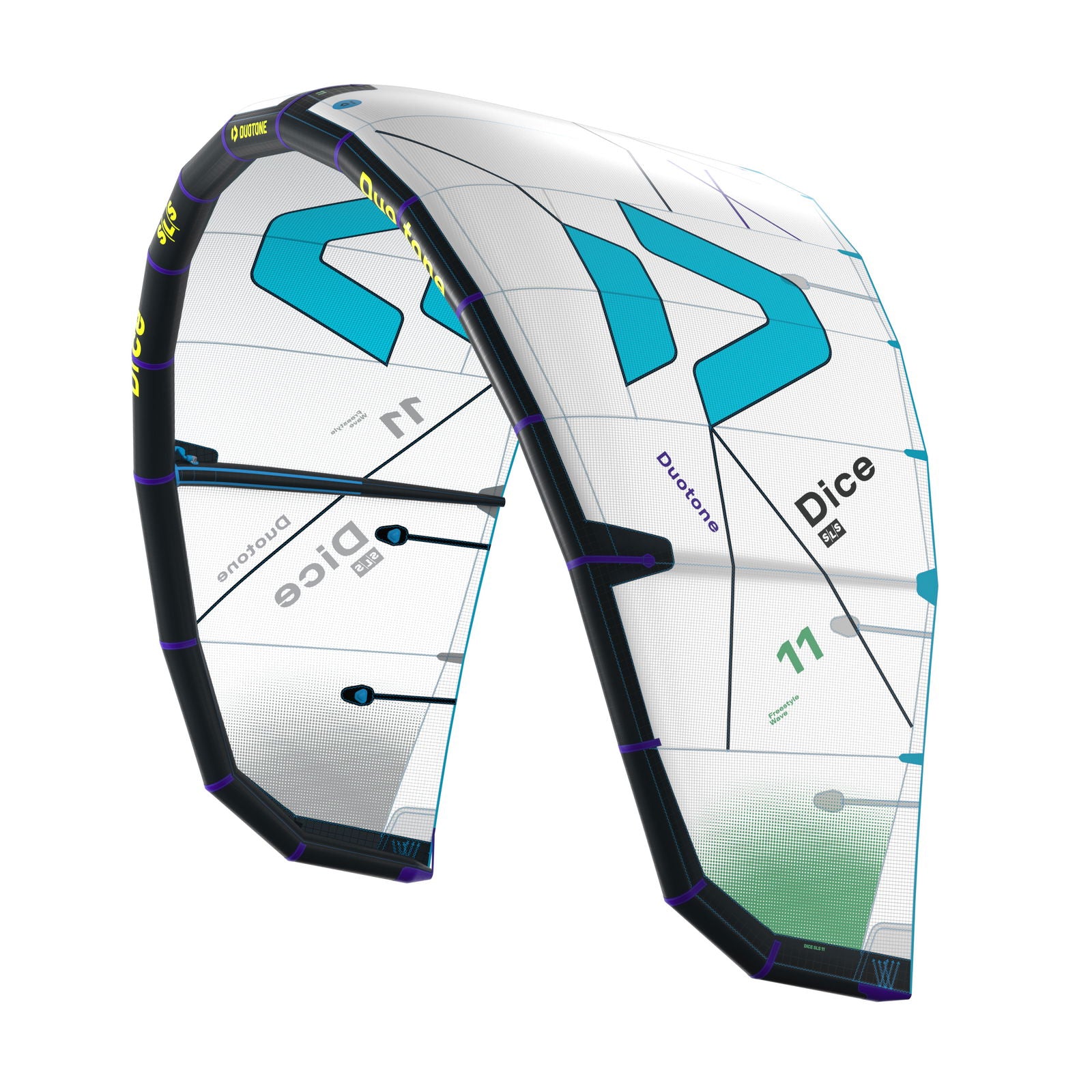
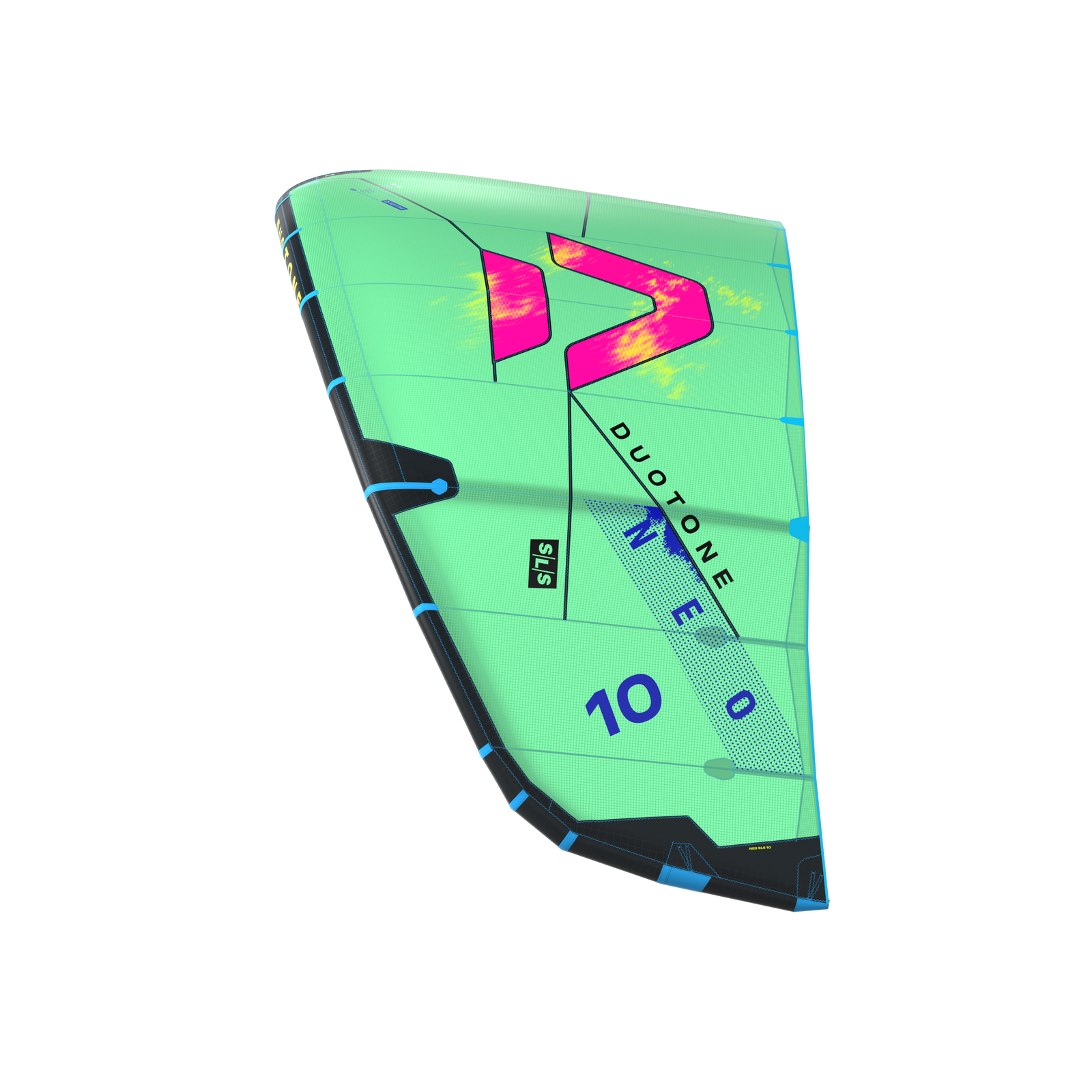
Prices and 2026 specs are pulled live from each product page. Confirm on the product page before checkout.
04 — MistakesThree mistakes we see every week
Ready to get airborne?
Browse our freestyle and big air kites—all tuned for height, control, and confidence in the air.
Frequently asked
Start with the size you'd normally ride in that wind. A 14-knot session calls for your 17m or 19m depending on your weight. Once you're confident, you can experiment with smaller kites for more direct control.
Not safely. Gusts will spike your power mid-jump and throw you off balance. Save big air for steady, laminar wind—early morning or offshore usually works best.
Most riders land a grab within 2–4 weeks of focused practice, assuming 3+ sessions in decent wind. The first one feels impossible until it isn't.
No. Any freestyle board works. What matters is kite control and your timing. Once you're confident, a lighter board makes spins easier, but don't buy one until you're landing grabs consistently.