Race Sail vs Freeride Sail — What's the Difference?
Race sails hunt pure speed and pointing angle — but they demand precise technique in locked-in wind. Freeride sails forgive, perform across variable conditions, and let you actually enjoy the session.
A race sail is engineered for maximum speed and high pointing in consistent wind — narrow profile, rigid battens, zero tolerance for sloppy input. A freeride sail is built for variable European coastal wind, easier launch, and forgiveness. Pick race if you're competitive and sail the same spot in stable conditions. Pick freeride if you want range, progress, and fun across mixed wind days.
01 — Narrow, demanding, fastRace Sails: Speed and Precision
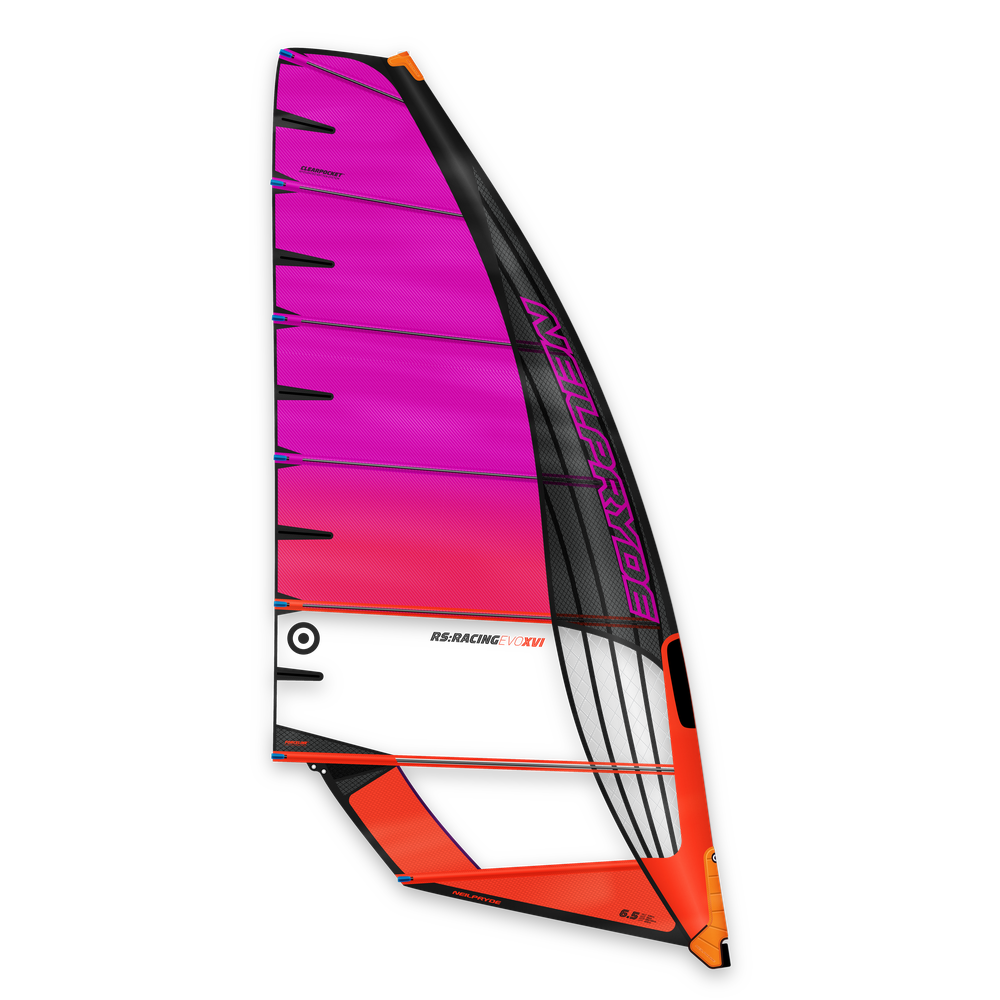
A race sail is optimised for one job: converting wind into forward speed and pointing high. The profile is narrow, the battens stiff, and the shape is tuned to a narrow wind band. You'll sail fast — but only if you're active. Small foot-pressure shifts matter. Heel angle matters. Sheet tension matters.
The margin for error is thin. If the wind gusts, you're overpowered quickly. If it drops, you're underpowered. You're constantly trimming, foot-steering, and managing the sail. In return: explosive acceleration and the pointing angle that wins races. The Neilpryde Racing Evo XVI is built for this — race geometry, aggressive profile, zero compromise.
02 — Fuller, forgiving, versatileFreeride Sails: Range and Forgiveness
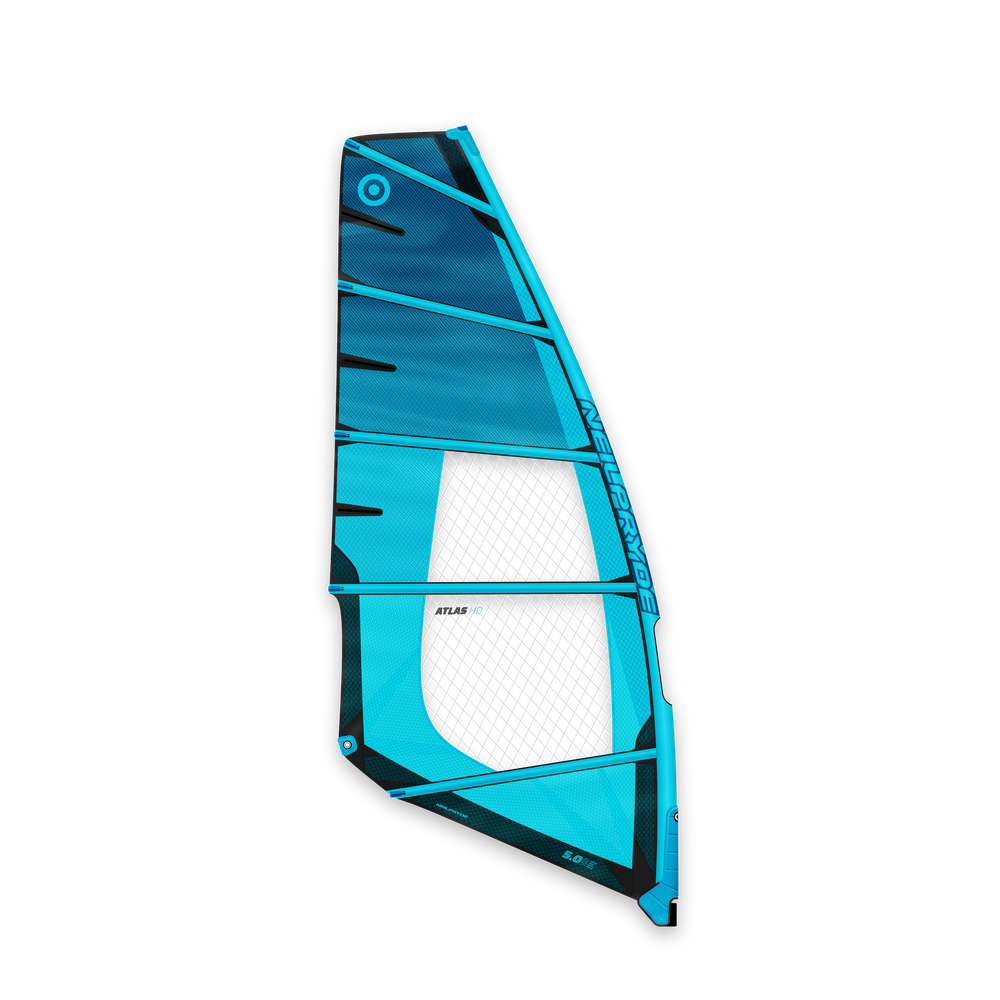
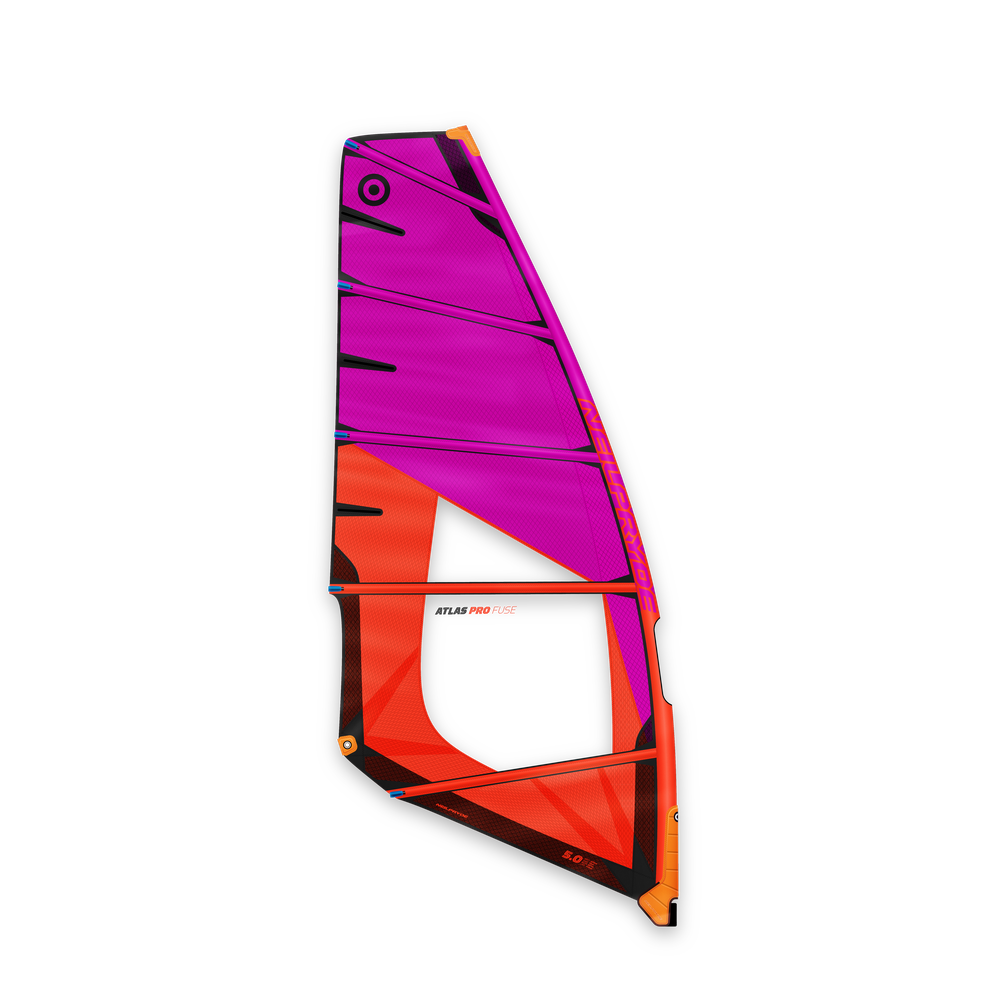
A freeride sail is built for the sailor who encounters mixed conditions and wants ease. The profile is fuller — more power in light wind, more stability in gusts. The battens are softer, so the sail flexes naturally instead of demanding rigid control. The shape performs across a wider wind range, so you're not constantly re-rigging between sessions.
You don't need perfect input. Rough seas, variable pressure, sloppy foot technique — the sail tolerates it. Launch is hard, acceleration forgiving, gybing smoother. Riders from Tarifa to Cape Town tell us freeride sails are what keep them on the water when conditions are choppy or shifty. The Neilpryde Atlas HD or Atlas Pro Fuse are classic freeride picks — they deliver range and feel across 10 to 25 knots.
03 — Our picksWhich Sail for You?
Pick race only if you race or sail consistent wind in the same spot. Pick freeride if you want to progress, enjoy variable conditions, or sail different spots across seasons. We recommend starting freeride — you'll feel faster because the sail helps you.
Prices and 2026 specs are pulled live from each product page. Confirm on the product page before checkout.
04 — MistakesThree mistakes we see every week
Ready to pick your sail?
Browse our full windsurf sail range — freeride, race, and wave — with detailed specs and in-stock stock on every model.
Frequently asked
Technically yes — but you'll spend the session over- or underpowered. You'll feel slow and frustrated. Freeride is built for this; race isn't.
No — usually lighter. But the material is stiffer and less forgiving, which is why they demand precise technique.
Check your weight and local wind range. We recommend 5.5–6.5 m² for most European spots. Speak to our team — Marko and the crew will size you correctly.
Usually yes, but check the luff length and boom range on the product page. Different sails have different luff curves, so tight booms matter.