NeilPryde Fly vs Evo 2026 — All-Round or Freeride?
NeilPryde's Fly and Evo 2026 look similar in the quiver, but they're built for totally different riders and conditions. We'll show you which kite matches your style, your spot, and how you want to spend your time on the water.
The NeilPryde Fly is a wave-focused specialist that demands technique but rewards instant feedback in light wind. The Evo 2026 is the all-rounder—more forgiving, easier to rig, and happy across a wider wind range. Pick the Fly if you're dedicated to waves; pick the Evo 2026 if you want one kite that does everything.
01 — Light wind specialistNeilPryde Fly — Wave Weapon
The Fly is built for riders who live in 8–20 knots and aren't afraid to work for it. Six battens, aggressive luff curve, compact boom range—it's stripped down and responsive. You'll feel every gust, every carve, every edge change instantly.
This is a kite for wave spots where the wind drops in the afternoon and you've got one hour to make it count. It doesn't forgive sloppy bar pressure or lazy body position. But if you're committed to reading wind and understanding how a kite breathes, the Fly becomes an extension of your board.
02 — Forgiving daily driverEvo 2026 — All-Round Workhorse
The Evo 2026 is what most riders actually need. It's happy in 12–28 knots, forgiving if you miss a transition, and doesn't punish a slightly loose grip on the bar. You can go session after session without overthinking every movement.
It handles freeride, freestyle, and shallow water equally well. The handling is smooth, the bar response isn't twitchy, and the build quality means it'll last years in your quiver. This is the kite you loan to a mate who's learning, or keep rigged for back-to-back sessions when conditions are playful.
03 — Our picksOur 4 in-stock picks — All Duotone, same DNA
If NeilPryde isn't in your local dealer stock, we've got four Duotone kites that cover the same ground as the Fly and Evo 2026—without compromising on handling or durability.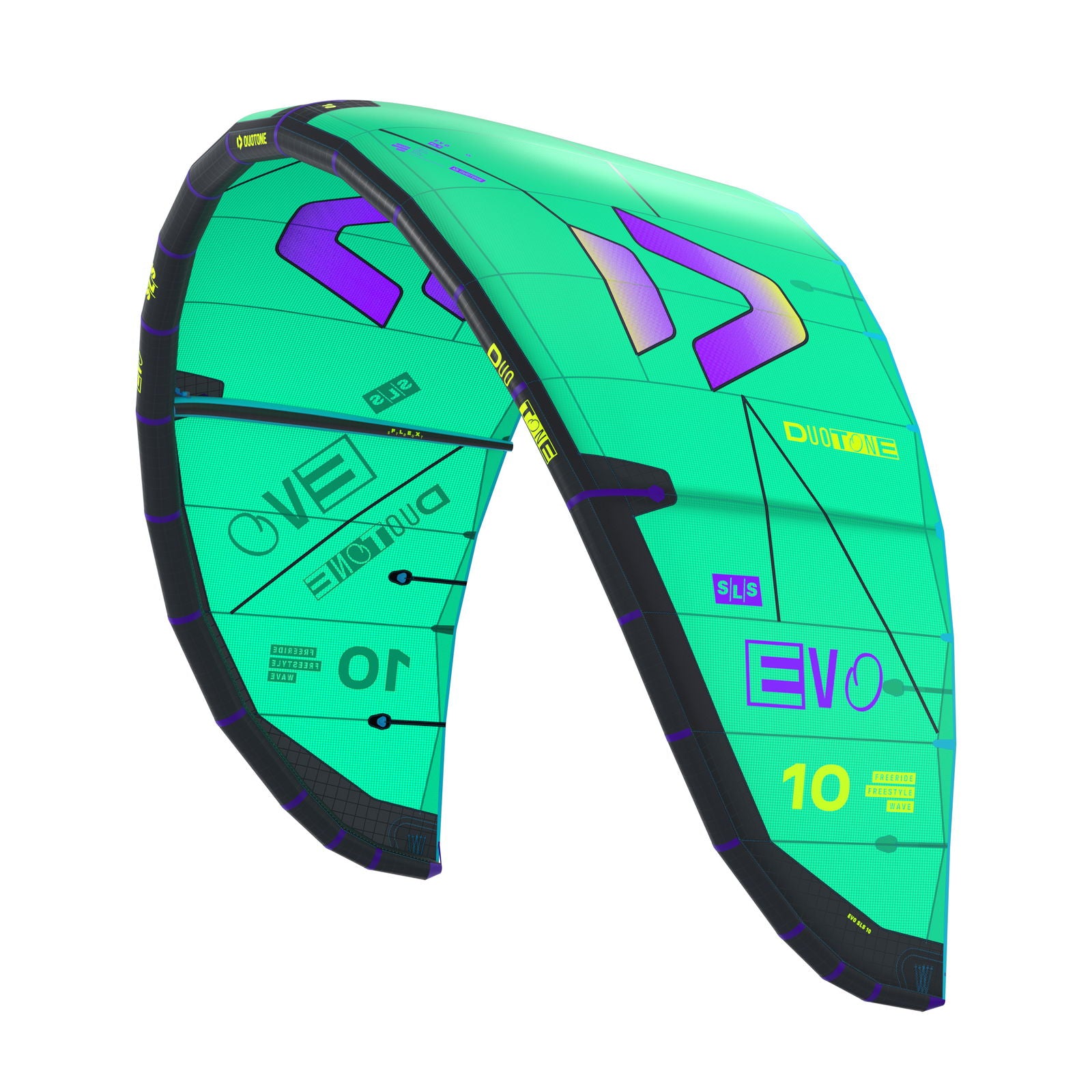
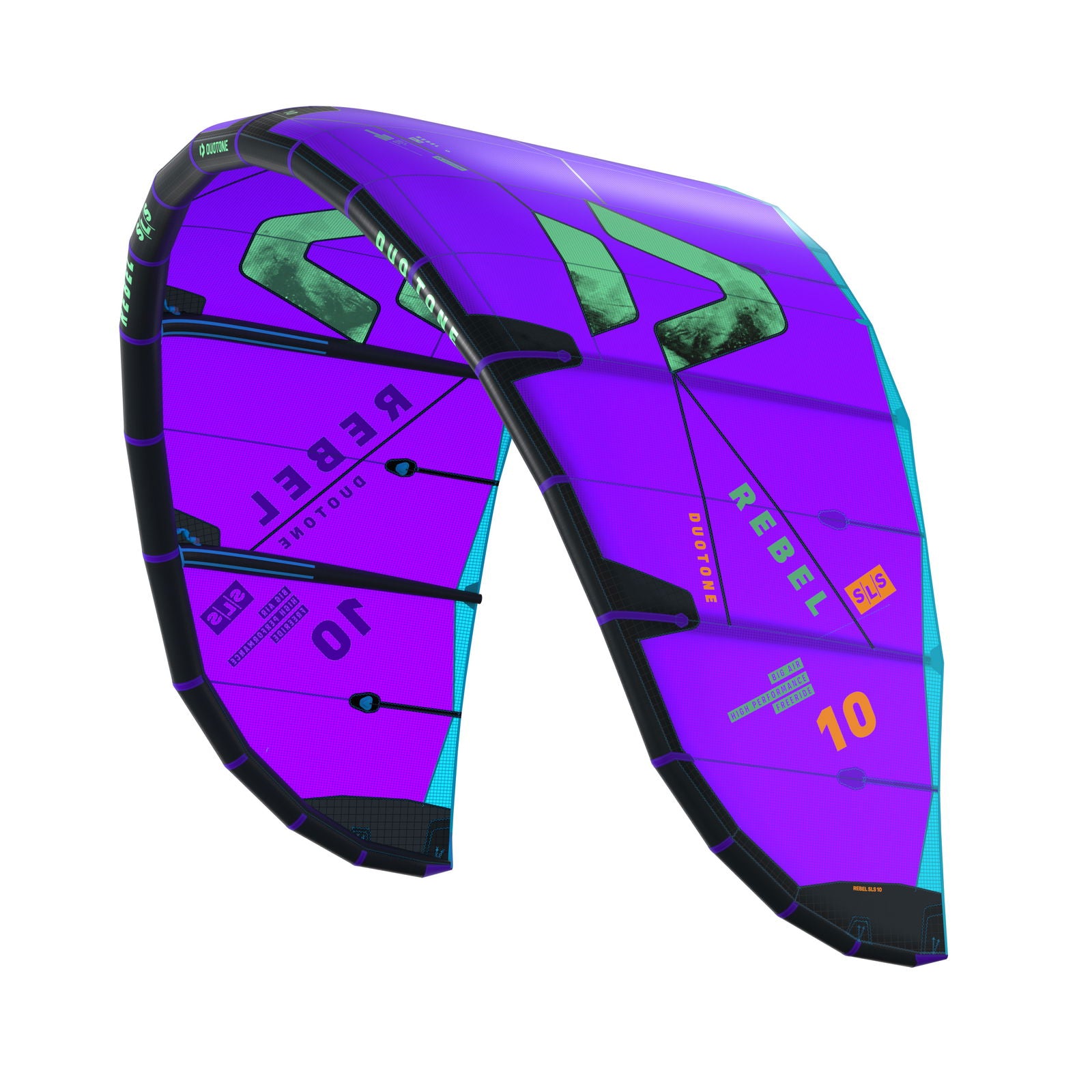
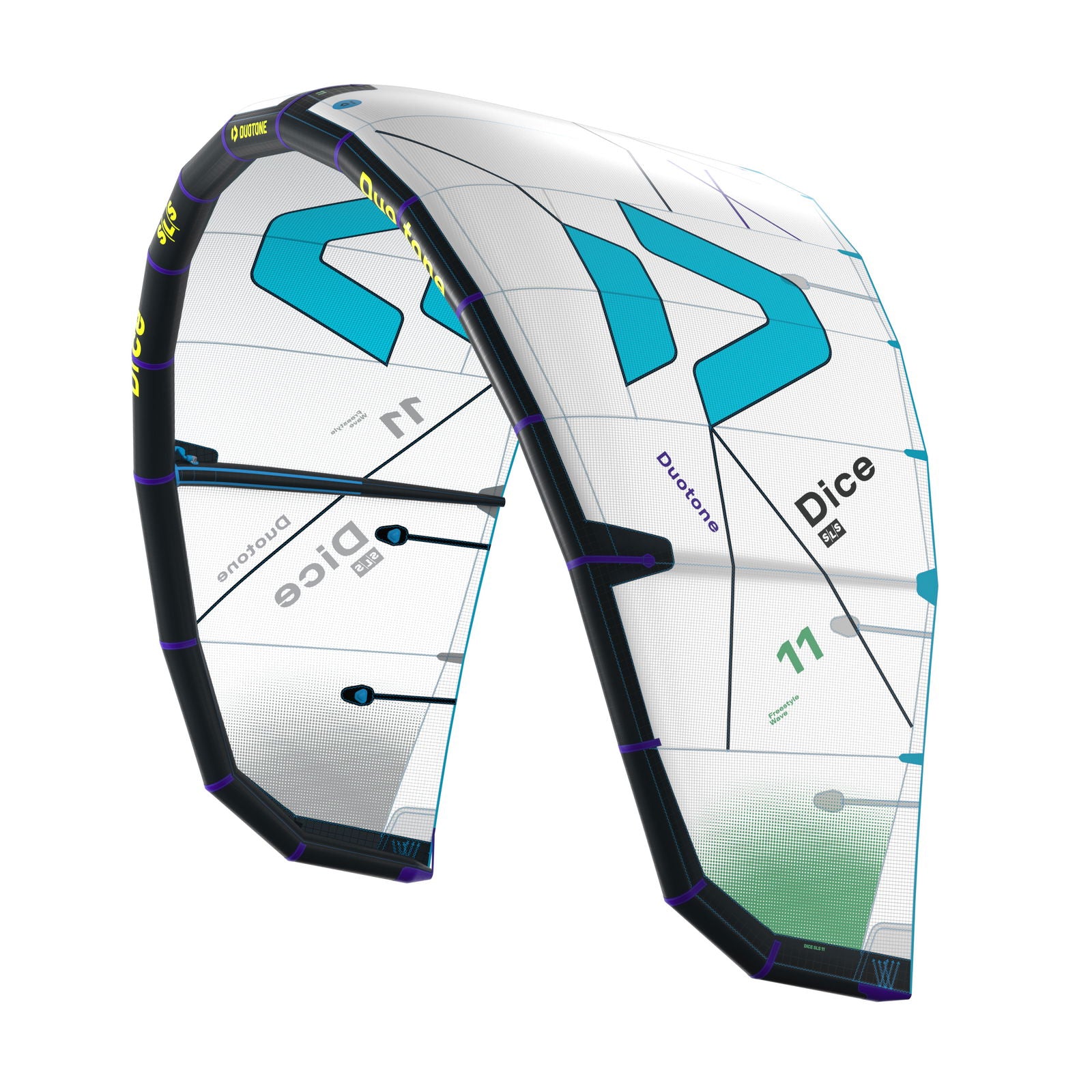
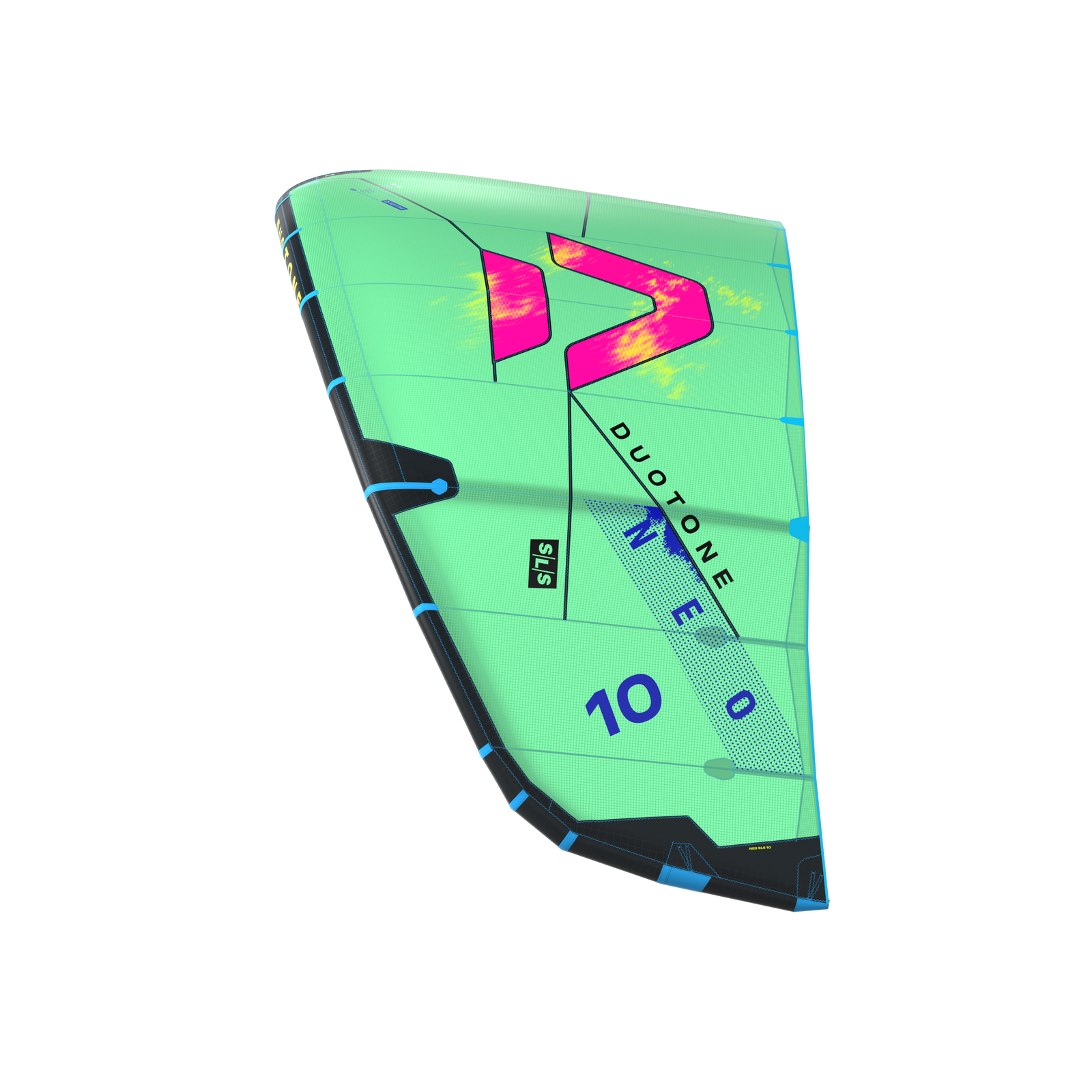
Prices and 2026 specs are pulled live from each product page. Confirm on the product page before checkout.
04 — MistakesThree mistakes we see every week
Ready to pick your next kite?
Browse our full kitesurfing kite range and find the size and style that fits your local wind.
Frequently asked
The Evo 2026 is beginner-friendly once you've got the basics. The Fly punishes loose technique and expects you to read wind actively. If you're under 6 months into kitesurfing, the Evo 2026 is your call.
Not comfortably. The Fly starts feeling overpowered above 22 knots. At 25 knots, you need a smaller kite (9 m² or less) or a kite like the Evo 2026 that's designed for bigger wind.
No. It's not a freestyle specialist, but it's responsive enough for unhooked tricks and edge control. If you're serious about raileys and handle passes, add a dedicated freeride kite to your quiver.
Your average wind matters. In 12–18 knots, a 12 m² is your sweet spot. In lighter spots (8–15 knots), go 14 m². In stronger spots (20–28 knots), a 9 m² keeps you powered and controlled.