Best Kite for Heavy Riders Over 90kg — 2026 Sizing Guide
At 90kg+, you need a kite that generates power early and holds you through committed maneuvers. We'll show you the exact sizes, bridle types, and models that keep heavier riders locked in.
Heavy riders over 90kg work best with 14–17 m² kites, freeride or all-around designs, and responsive bridles that build low-end power in 10–12 knots. Skip ultra-responsive freestyle kites—they'll feel sluggish at your weight. The Duotone Evo SLS and Rebel SLS are built for this range.
01 — Power and inertiaWhy Kite Size and Type Matter More at Your Weight
You're carrying more inertia into the water than a 70kg rider. Your kite has to lift you earlier and maintain drive when you're fully committed. A responsive freestyle kite might feel sluggish because it's tuned for lighter athletes—it won't build the grunt you need in marginal wind.
We've been shipping kites since 2003, and heavy riders tell us the same thing: undersized kites feel like fighting for every trick. Go bigger. A 14 m² for you plays the role a 12 m² plays for someone at 75kg. That extra surface area isn't overkill—it's baseline.
02 — Steering and powerBridle Responsiveness and Low-End Bite
At your weight, you need a bridle that doesn't lag. Modern freeride kites like the Duotone Evo SLS use responsive bridle geometry to keep steering snappy even when you're powered up hard. Slack bridles feel disconnected the instant you weight the bar—avoid them.
Low-end bite matters most. You want the kite working in 10–12 knots, not waiting for 15 knots to show up. All-around designs from Duotone and Cabrinha are engineered for this: they bite early, stay stable in chop, and don't collapse when you commit to a powered turn.
03 — Our picksOur 4 In-Stock Picks for Heavy Riders
All four of these Duotone 2026 models are in stock now and tuned for heavier riders who want stability, early power, and responsive steering. Pick based on your riding style and average wind speed.
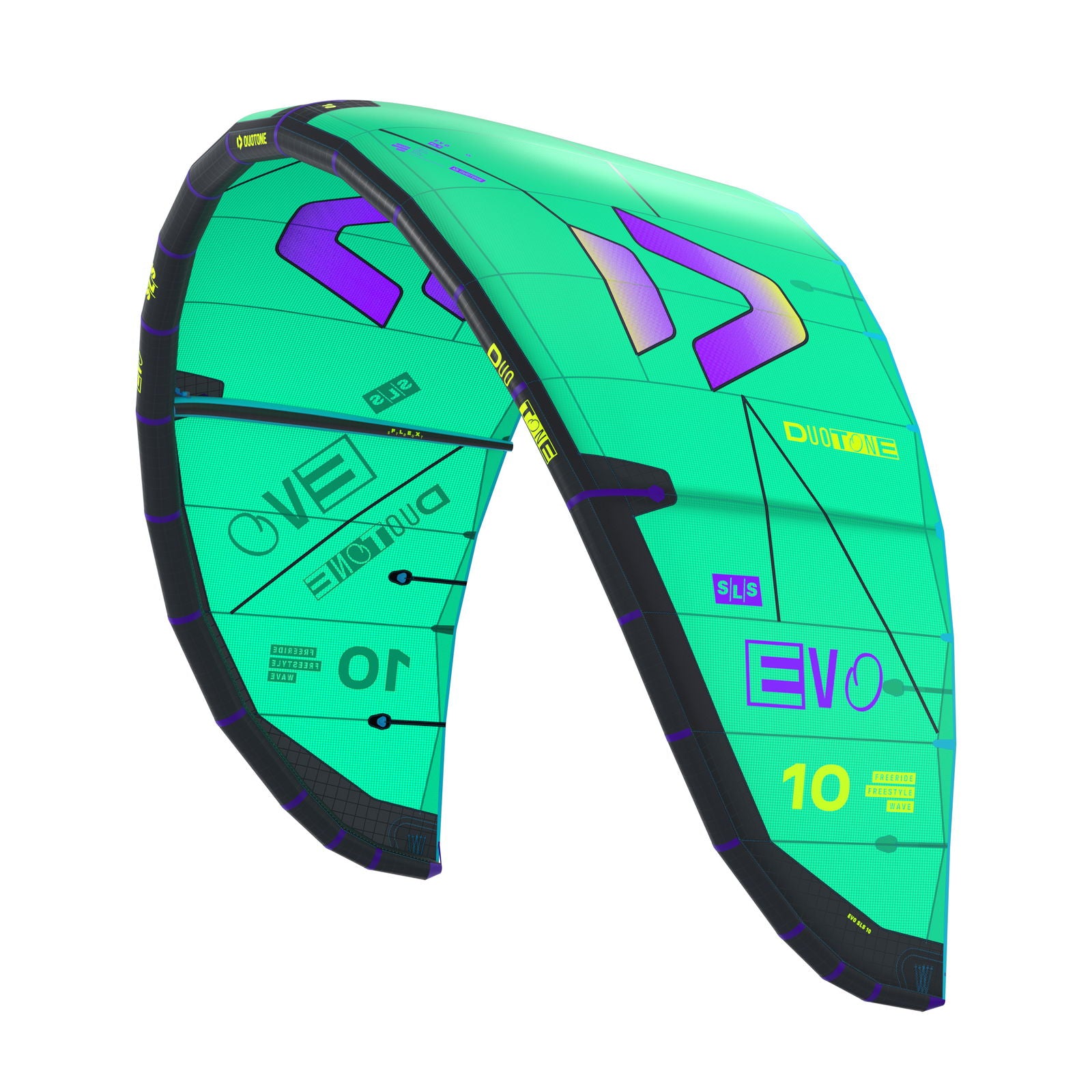
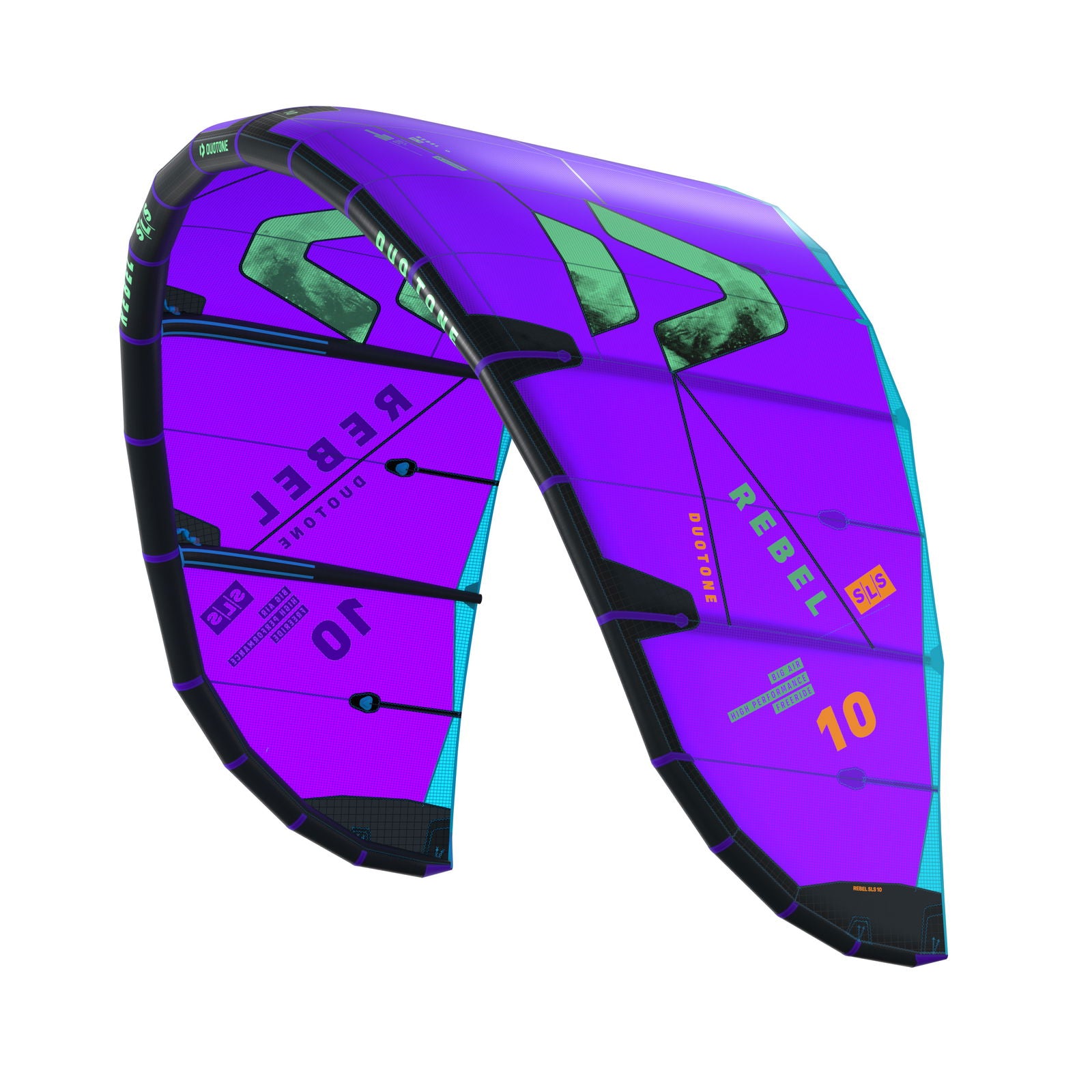
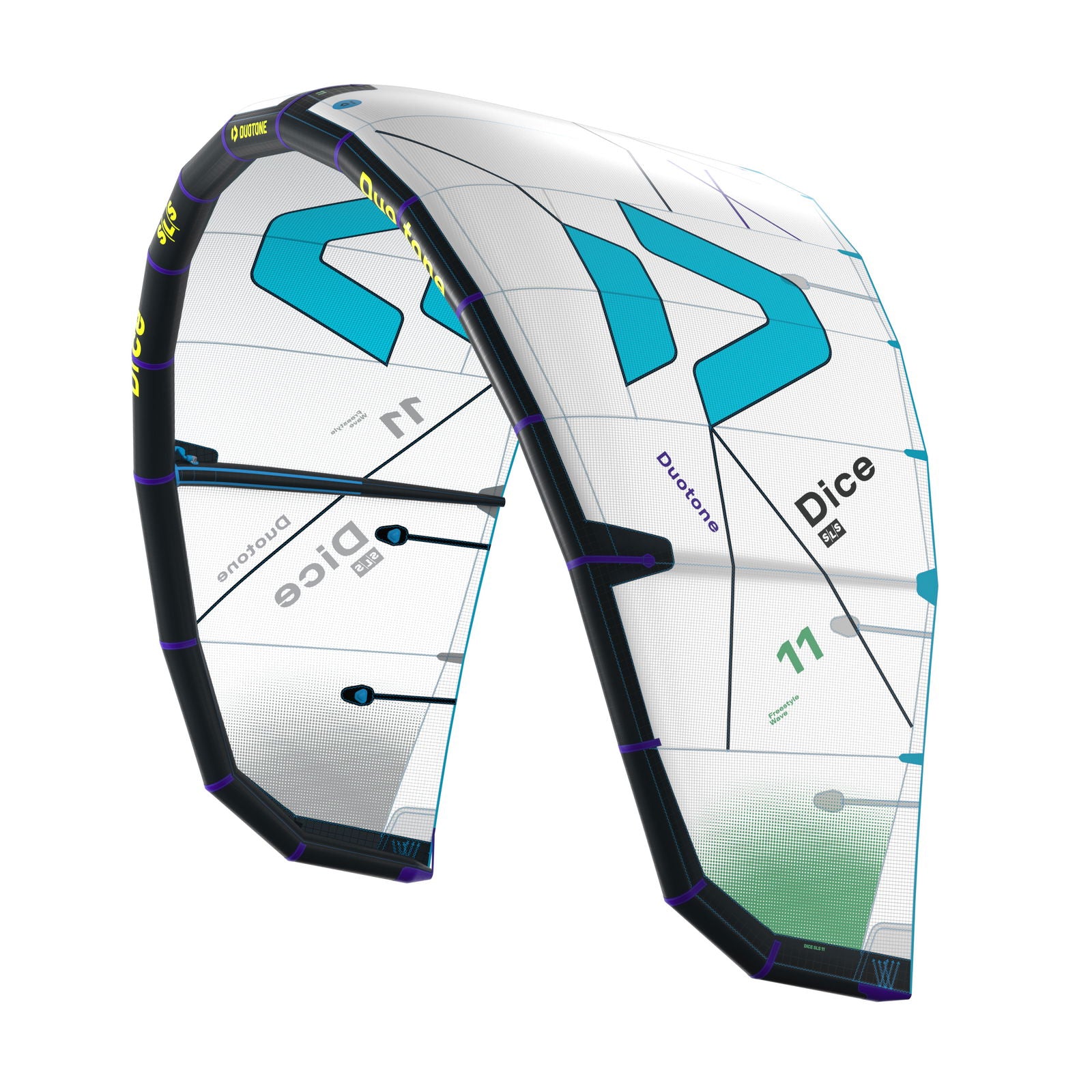
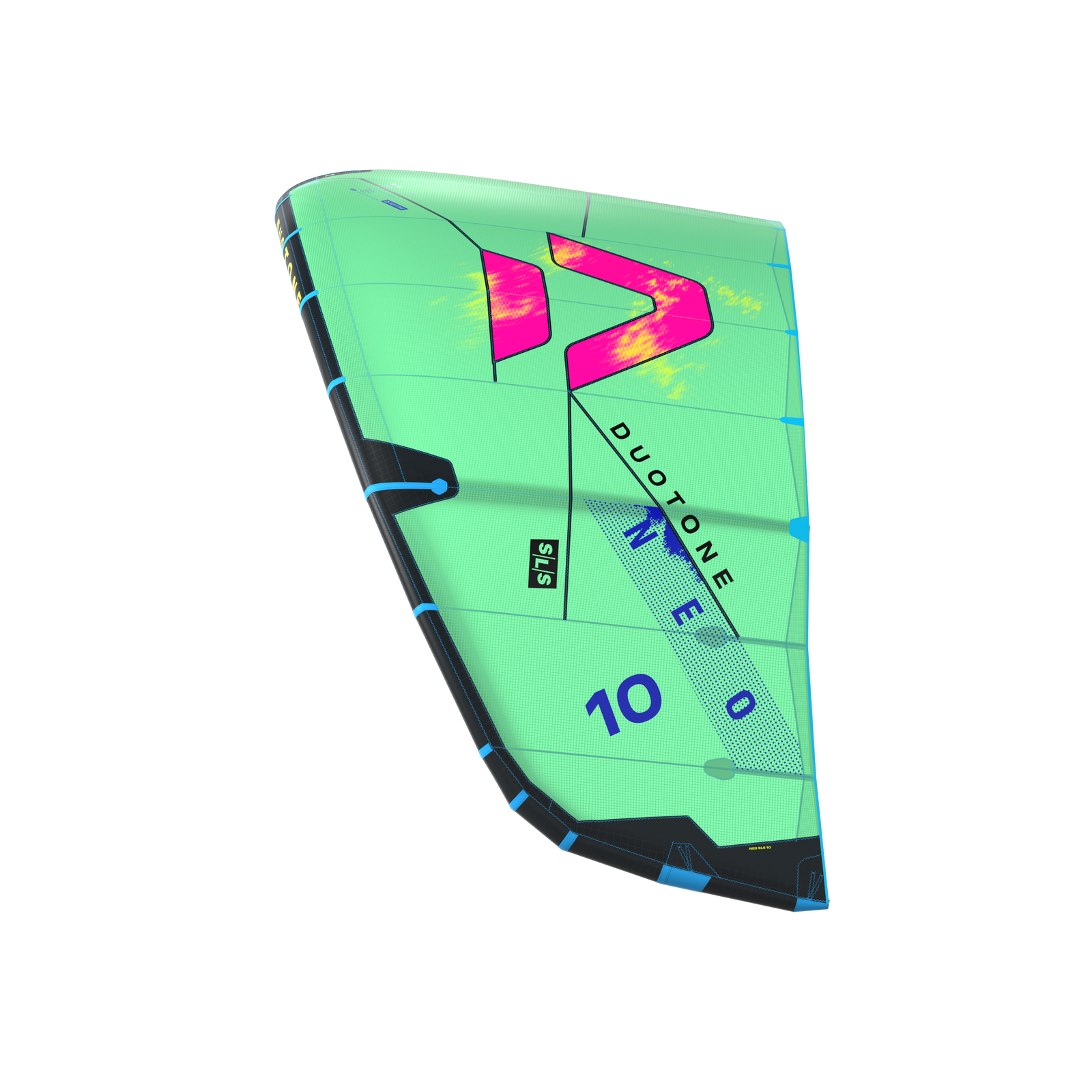
Prices and 2026 specs are pulled live from each product page. Confirm on the product page before checkout.
04 — MistakesThree mistakes we see every week
Ready to find your size?
Browse our full range of 2026 kites and book a chat with our team if you're unsure about bridle type.
Frequently asked
Run a 15 m² as your everyday quiver and grab a 17 m² for light-wind sessions. Between them, you'll cover 8–30 knots comfortably.
Pair your kite with a twin-tip around 140–150 cm and 43–44 cm wide. Bigger surface area floats you easier and gives the kite more leverage.
In 18+ knots, yes. But in the 12–15 knot band you'll ride, a 14 m² will feel way more forgiving and easier to control.
The Duotone Evo SLS is the sweet spot for heavy freeride riders. The Rebel SLS adds wave-riding flair if you want versatility. Check the product pages for bridle specs.