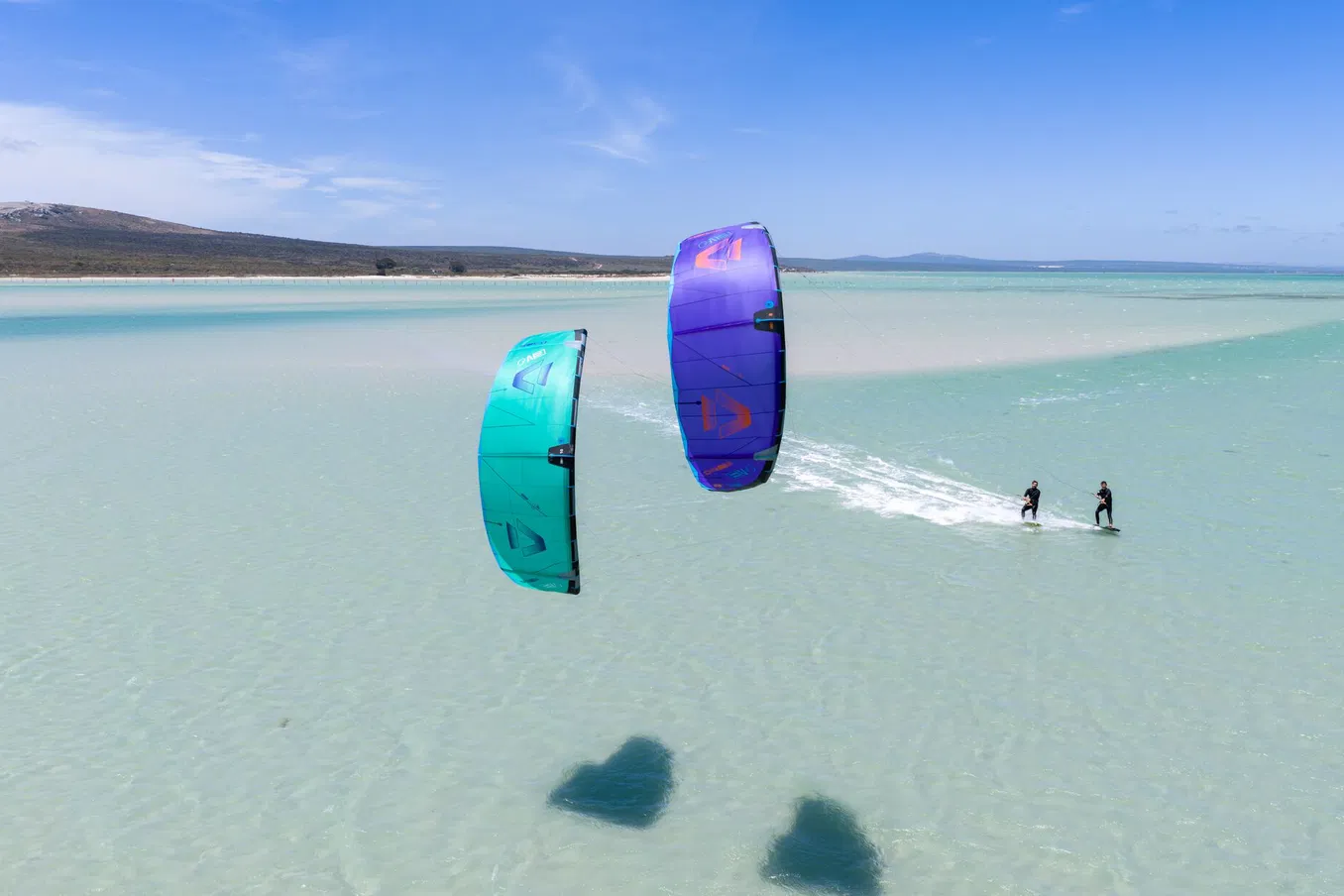
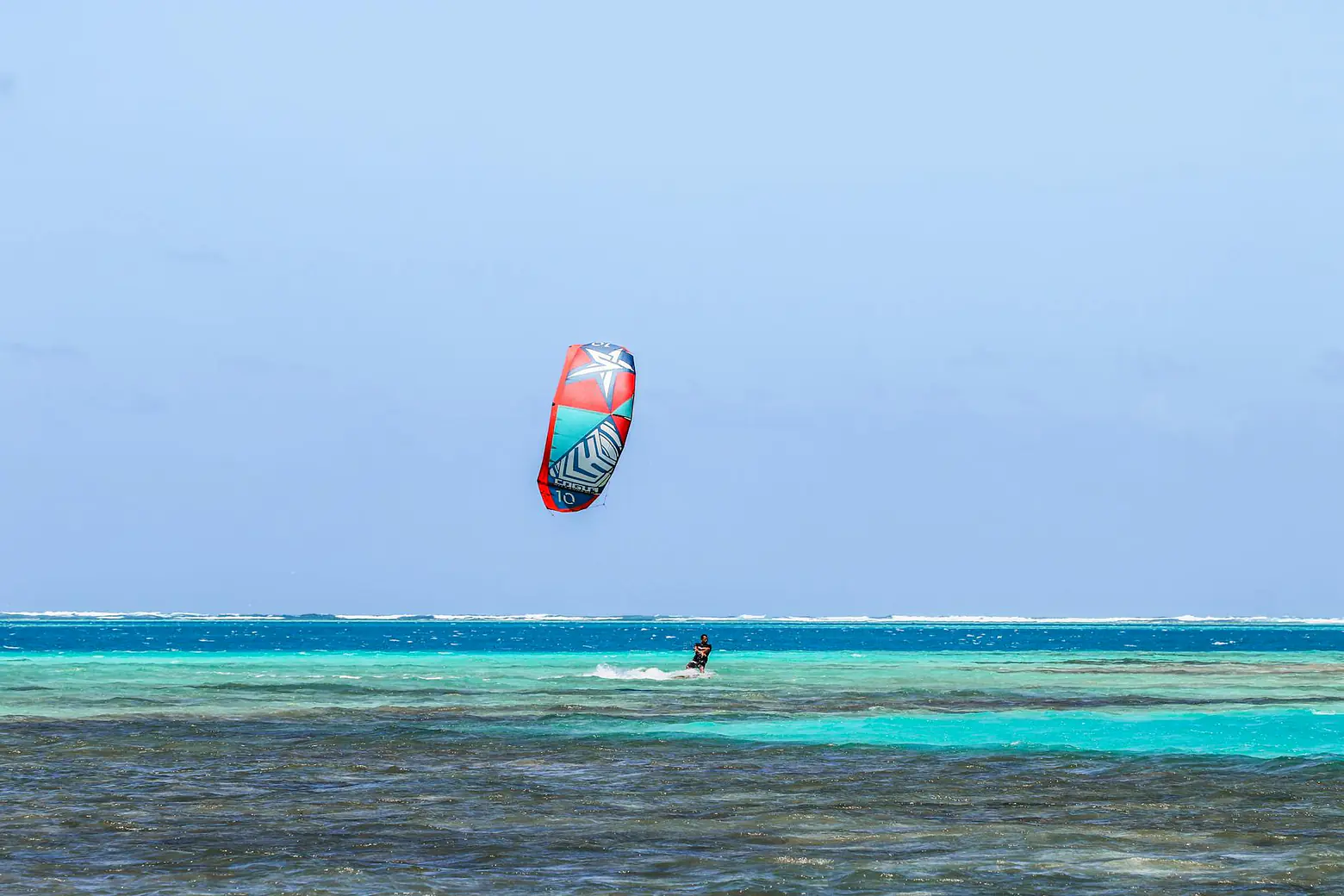
Kitesurfing Sicily — Best Spots & Wind Guide 2026
Sicily's thermal winds run 12–22 knots reliably March through October, and the water stays warm enough to forget your winter wetsuit. We've shipped kites there since 2003, and every rider who touches down tells us the same: conditions are honest, spots are empty, and you'll actually progress.
Sicily works because afternoon thermals push 12–22 knots reliably from March to October. Water temps range 18–24°C. Mondello Beach near Palermo is beginner-friendly; peak season is May–September. Pick a 9 m² or 12 m² kite depending on your weight and wind forecast.
01 — ConditionsWhy Sicily Works — Wind & Water
Sicily sits where Mediterranean thermals collide with Atlantic pressure systems. Afternoon heat builds a thermal breeze off the coast—it's reliable, it's consistent, and it starts around mid-morning. You'll see 12–16 knots by lunch, peak to 18–22 knots by 3 p.m., then dial back as the sun sets.
Water temperature swings from 18°C in March to 24°C by July and August. That's warm enough for a 3/2 mm wetsuit or a spring suit most months. Winter (November–February) still works if you're committed, but the thermals weaken and you'll need a 4/3 mm.
What makes Sicily special isn't just the wind—it's the consistency. March through October, you'll get rideable conditions 18–20 days per month. No waiting weeks like you might in Europe's Atlantic zones.
02 — LocationsSpots for Every Skill Level
Mondello Beach (near Palermo) is the default for beginners. Flat water, shallow launch, thermal winds arrive like clockwork. You'll share it with local clubs, but the vibe is welcoming and you've got room to make mistakes.
Capo San Vito (northwest coast) picks up stronger sideshore wind and bigger waves. It's a step up in skill—you'll want some edge control before you paddle out here. Wind funnels between the cape and the headland, so afternoon gusts can jump 5–8 knots fast.
Gela (south coast) is less crowded and hosts more racers and wave-riders. Harder launch due to rocks, but conditions are legitimate. Go here when you've got 20+ days under your belt.
03 — Our picksOur 4 In-Stock Picks for Sicily
We've narrowed it down to four Duotone kites that handle Sicily's thermal window perfectly. All four are built for the 12–22 knot range you'll see most days, and they're quick to rotate for light-wind mornings and gusty afternoons.
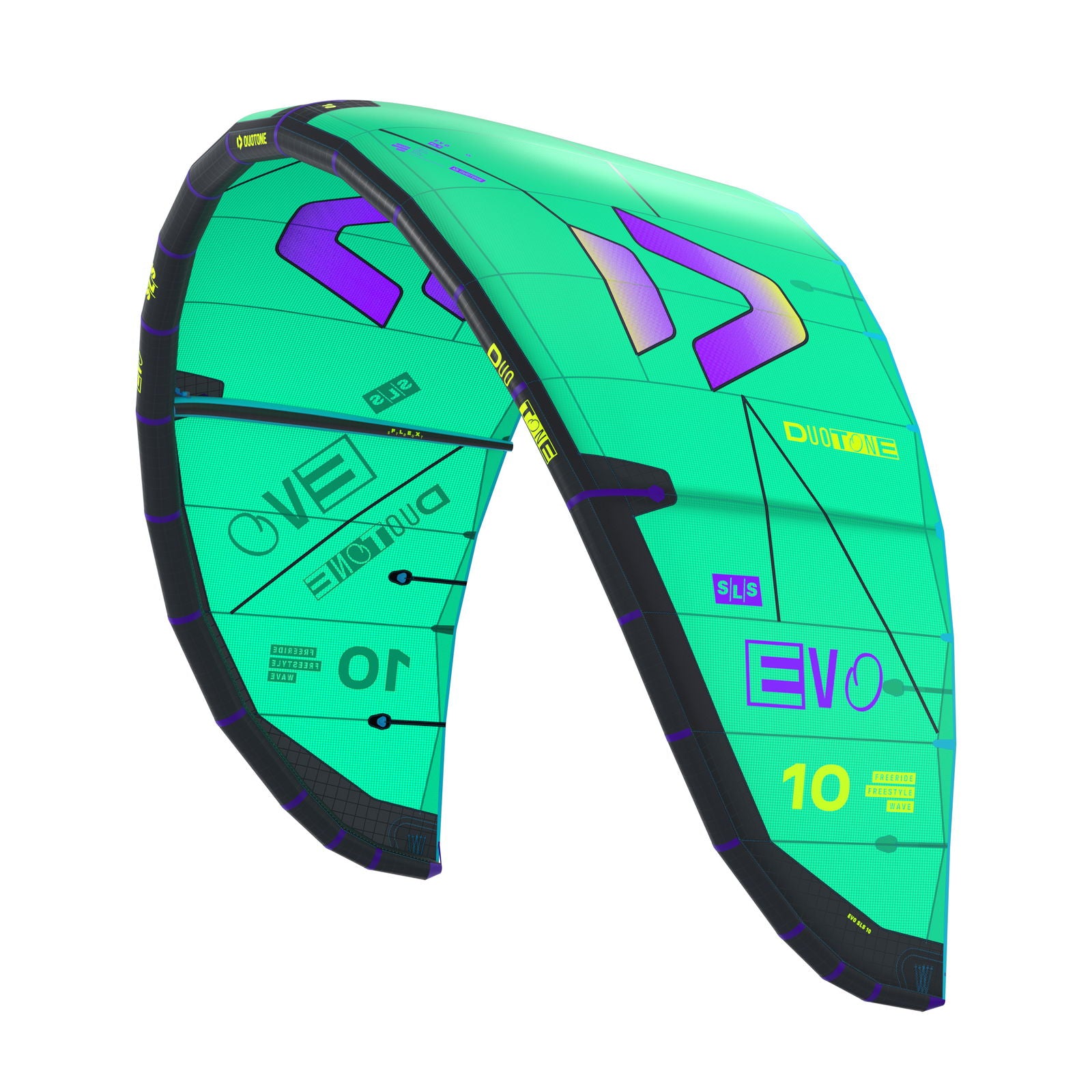
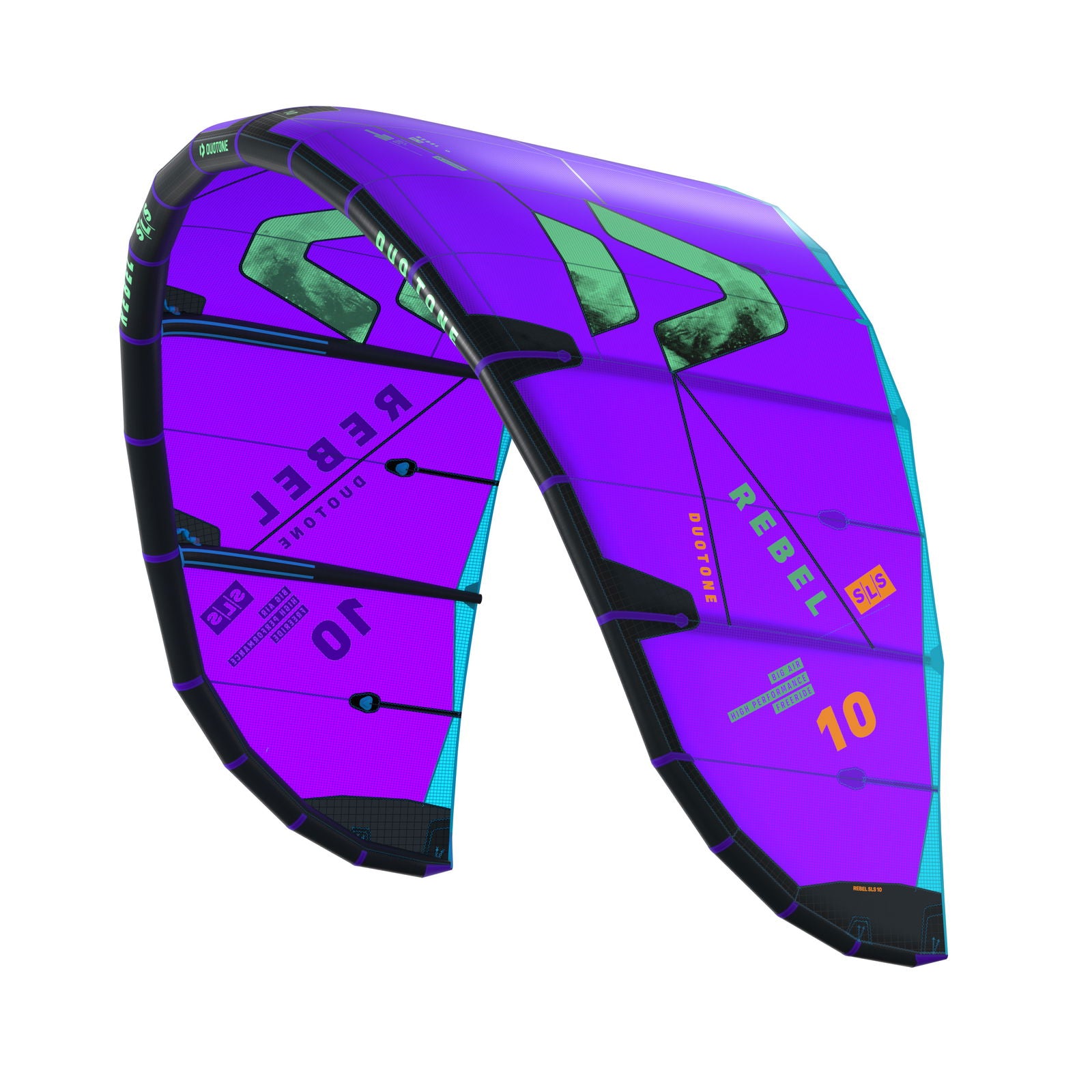
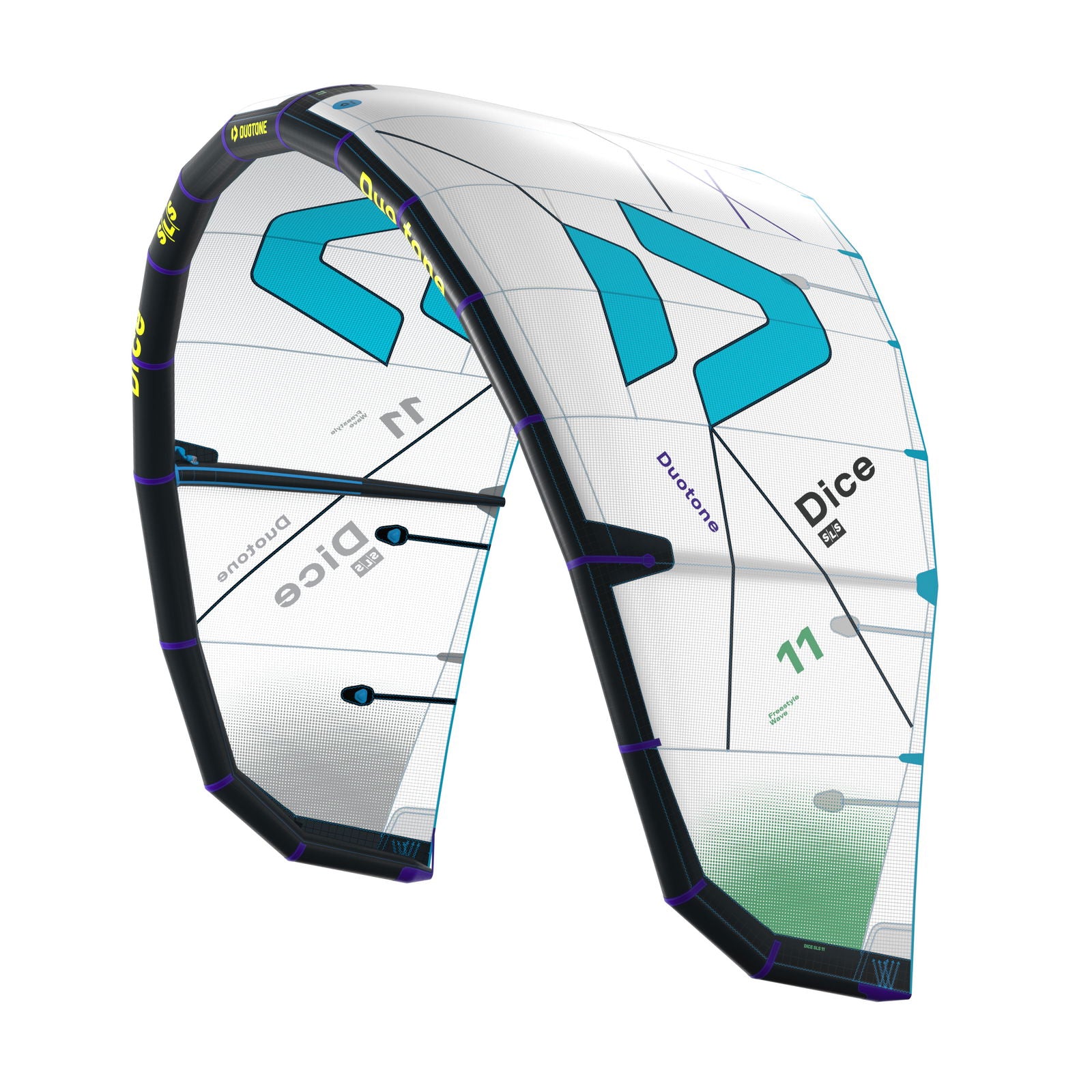
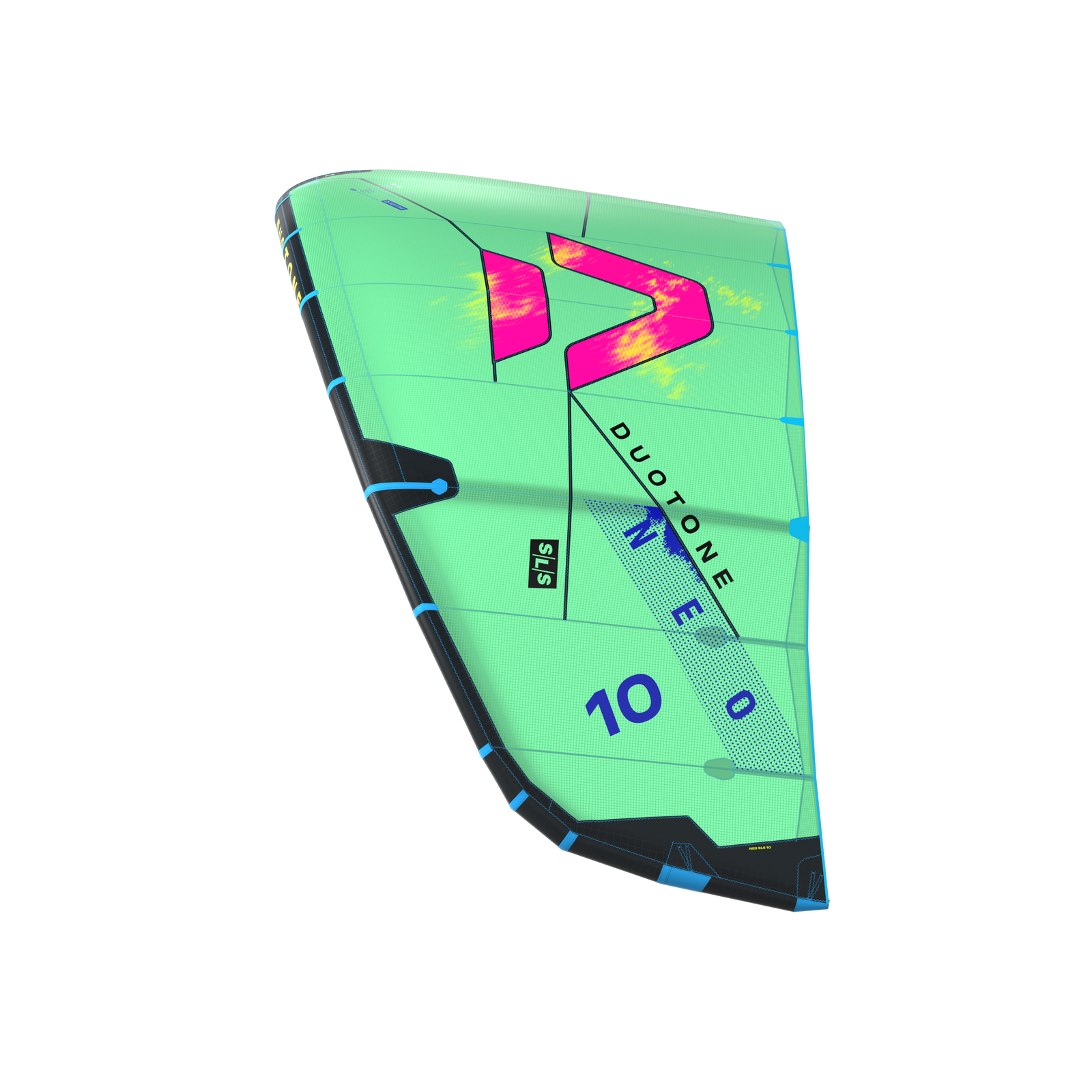
Prices and 2026 specs are pulled live from each product page. Confirm on the product page before checkout.
04 — MistakesThree mistakes we see every week
Ready to chase thermals in Sicily?
Browse our full range of 2026 kites and find your size for 12–22 knots.
Frequently asked
Bring a 9 m² and a 12 m². Most riders under 75 kg ride the 9 m² in 18–22 knots; heavier riders and lighter wind days call for the 12 m². If you're under 60 kg, a 7 m² covers the gusty afternoons, but 9 and 12 m² will do the job.
May, June, and September are perfect—consistent thermals, warm water, and less rain than summer. July and August are hot but less windy and busier with tourists. March and April work if you're chasing solitude and don't mind cooler water.
Rental spots exist near Mondello, but they're limited and gear is often tired. If you're staying more than three days, bring your own or ship a kite. We've had riders mail kites to themselves in Palermo since 2003—it's straightforward.
Thermal wind is smooth compared to Atlantic chop, but afternoon surges do happen. Modern kites like the Duotone range handle 12–22 knots without sheeting out or looping. If you're new, avoid single-line drones and pick a kite with broad wind range.