Kitesurfing in Onshore Wind — Tips for Beginners
Onshore wind is the beginner's safety net — you're always drifting toward the beach, never out to sea. But chop and gusts demand respect. Learn to read the conditions, pick the right kite size, and build skills that actually stick.
Onshore wind (12–22 knots) is forgiving because land is your fallback. You'll need a responsive kite (12–17 m² depending on your weight and the gust), a wide twintip (42 cm+) for stability in chop, and the ability to read wind shifts. The Duotone Neo SLS 2026 excels in lighter onshore because it stays forgiving when the water gets rough.
01 — Safety & PredictabilityWhy Onshore Wind Is Where Beginners Learn
Onshore wind pushes you toward the beach. Full stop. That means if you lose the kite, if you get tired, if things go sideways — the shore is right there. No epic downwind journey to the next continent. No rescue boat panic. The water's choppy, yes, but you're never truly committed.
That predictability is why we tell every first-timer to start onshore. You're learning edge control, kite loops, and body awareness in conditions where mistakes are uncomfortable, not dangerous. Offshore wind looks glassy and inviting — it's a trap. Onshore looks rough but it's honest.
02 — Gear ChoicesKite and Board Setup for Onshore Conditions
Onshore chop demands a kite that responds fast and doesn't punish hesitation. You want something with good bar pressure feedback — that means you can feel what the kite's doing even when the wind's lumpy. The Duotone Evo SLS 2026 and Duotone Rebel SLS 2026 both deliver that responsiveness. If you're under 70 kg, a 12 m² is your baseline for 14–18 knot onshore. Over 75 kg? Start with 14 m². Lighter riders might drop to 9 m² in sustained 18+ knots.
For your board, go wide. A 42–44 cm twintip keeps you stable in the chop and forgives sloppy landings. Narrow boards (under 41 cm) slice through flat water beautifully but they'll throw you around onshore. Your first sessions onshore should feel locked-in, not chaotic.
03 — Our picksOur 4 In-Stock Picks
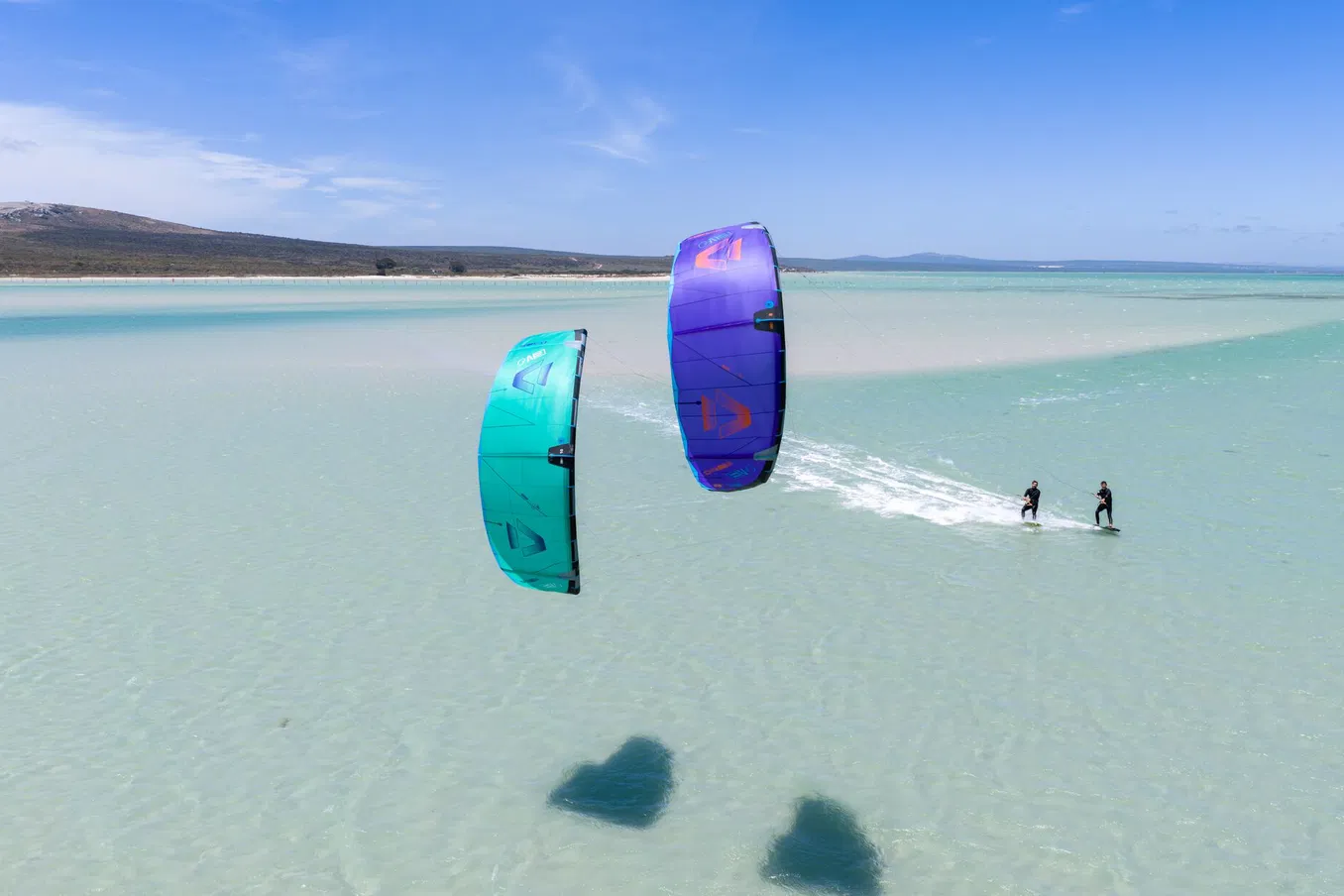
We've picked four Duotone kites that handle onshore chop without drama. Each one responds quickly to bar input — crucial when the wind's shifting every 20 seconds.
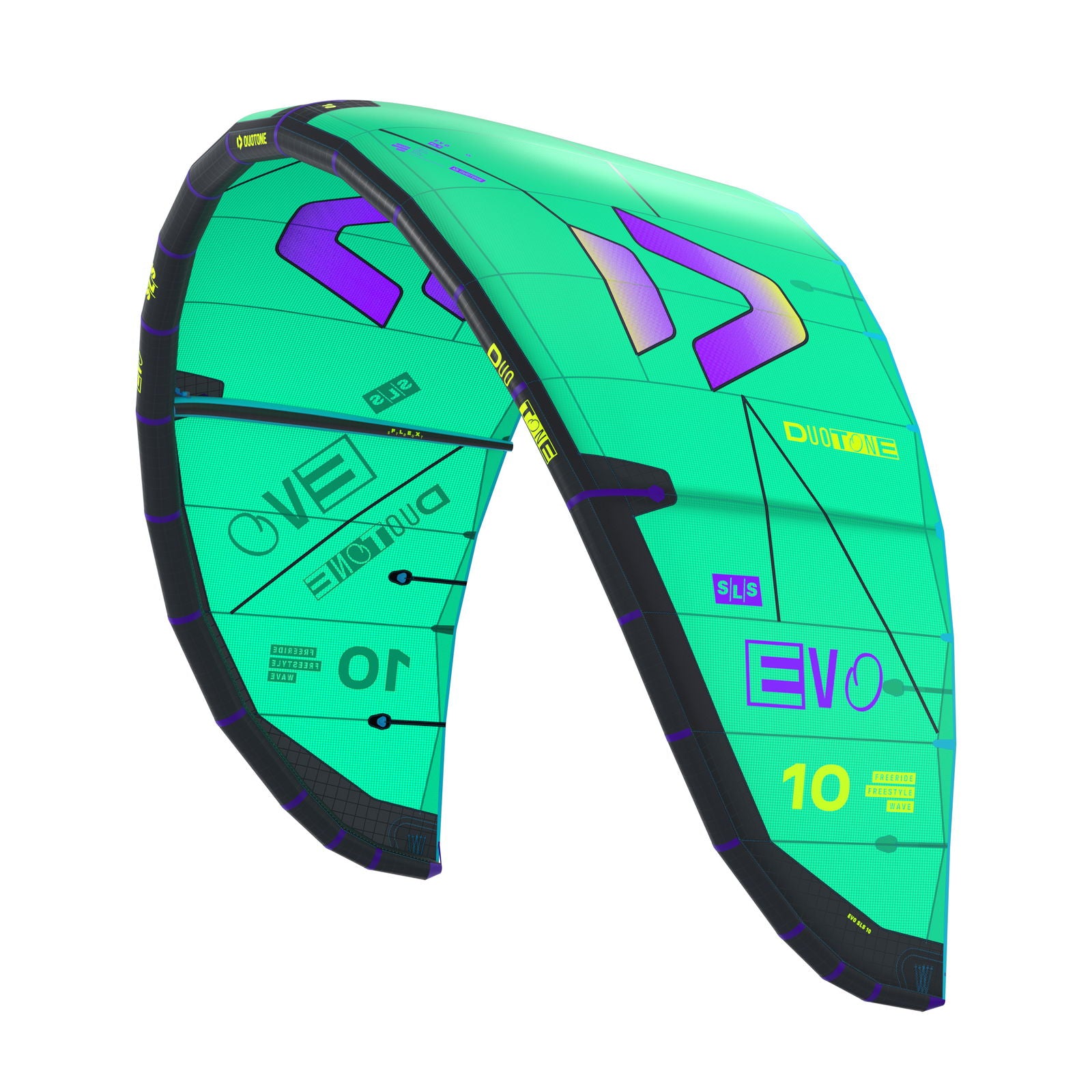
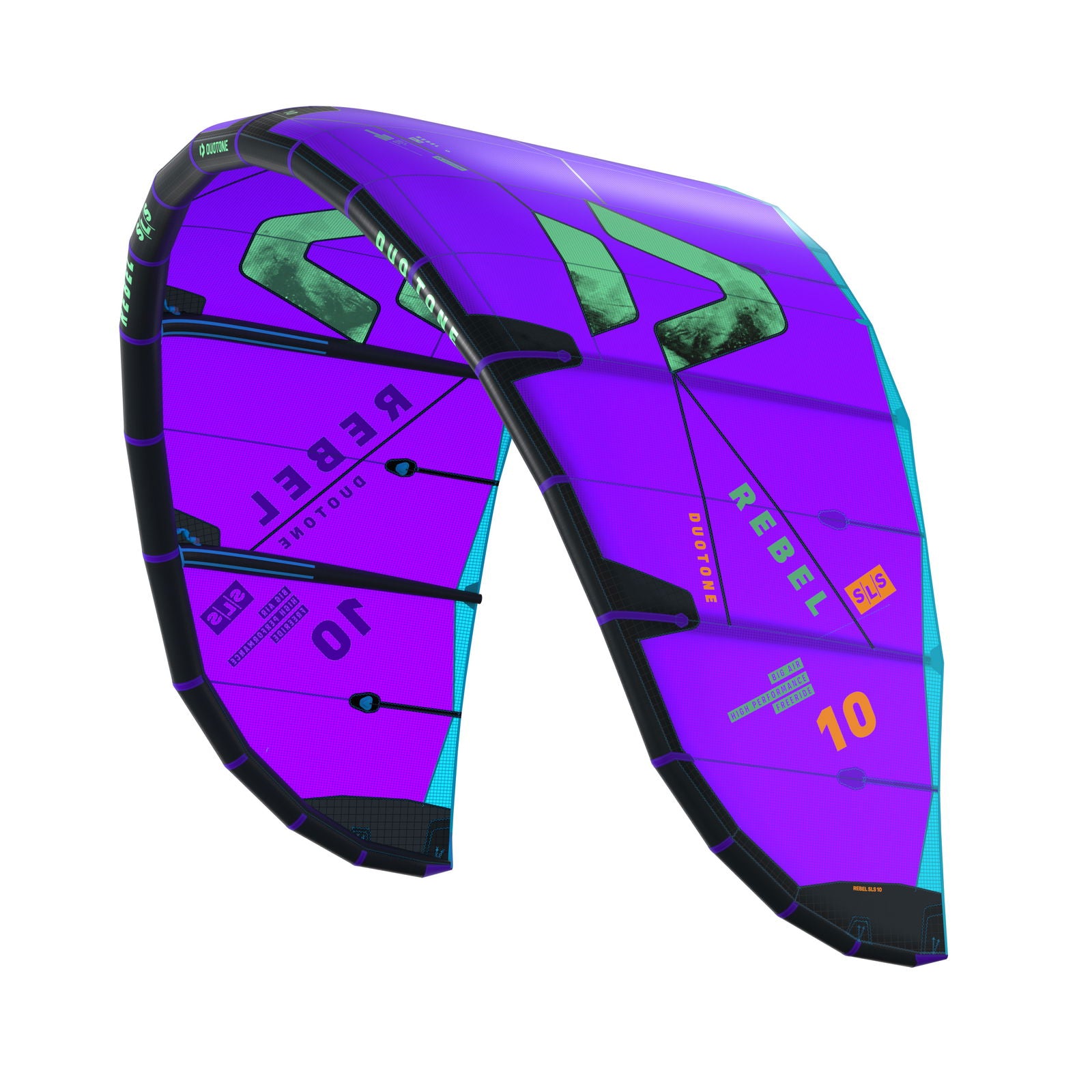
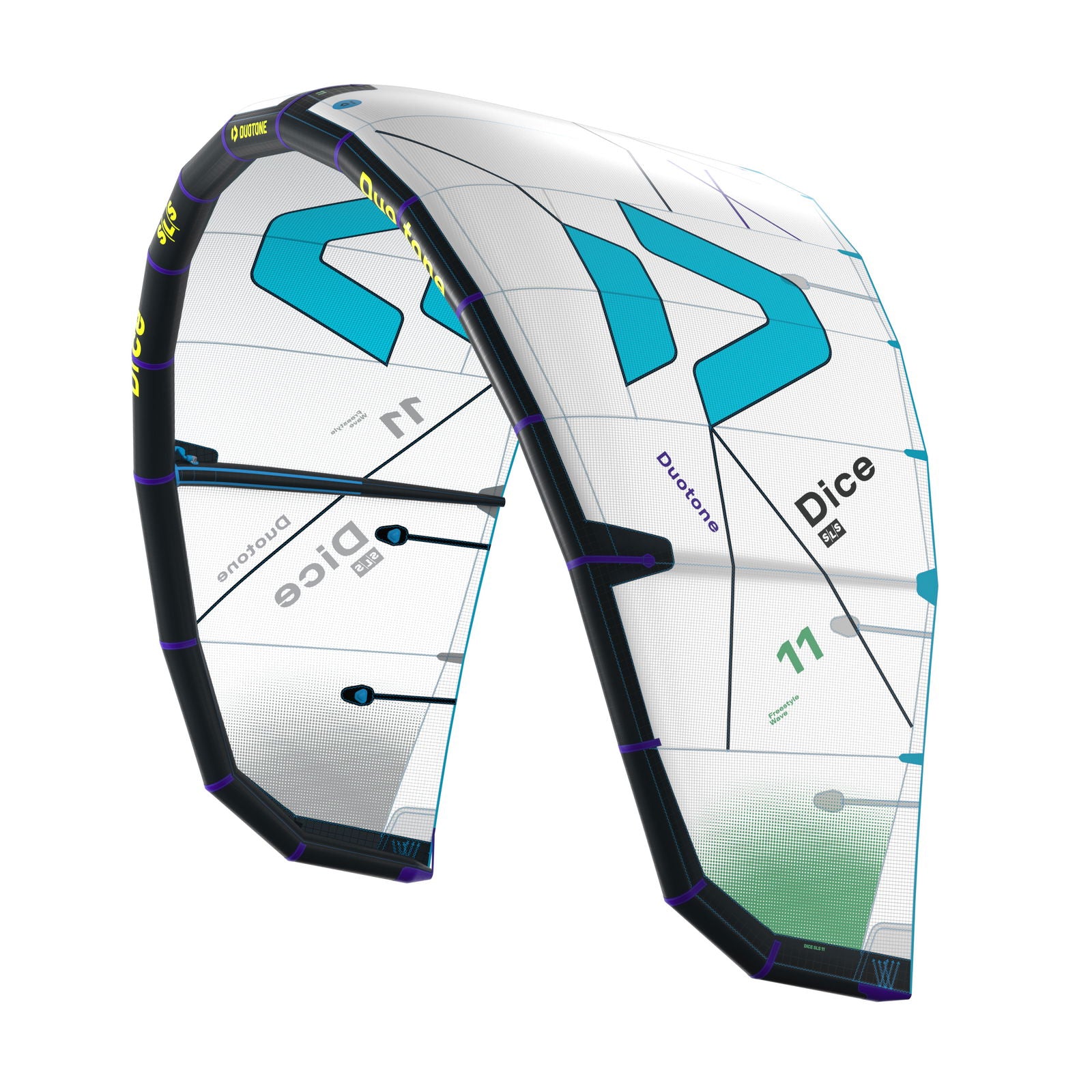
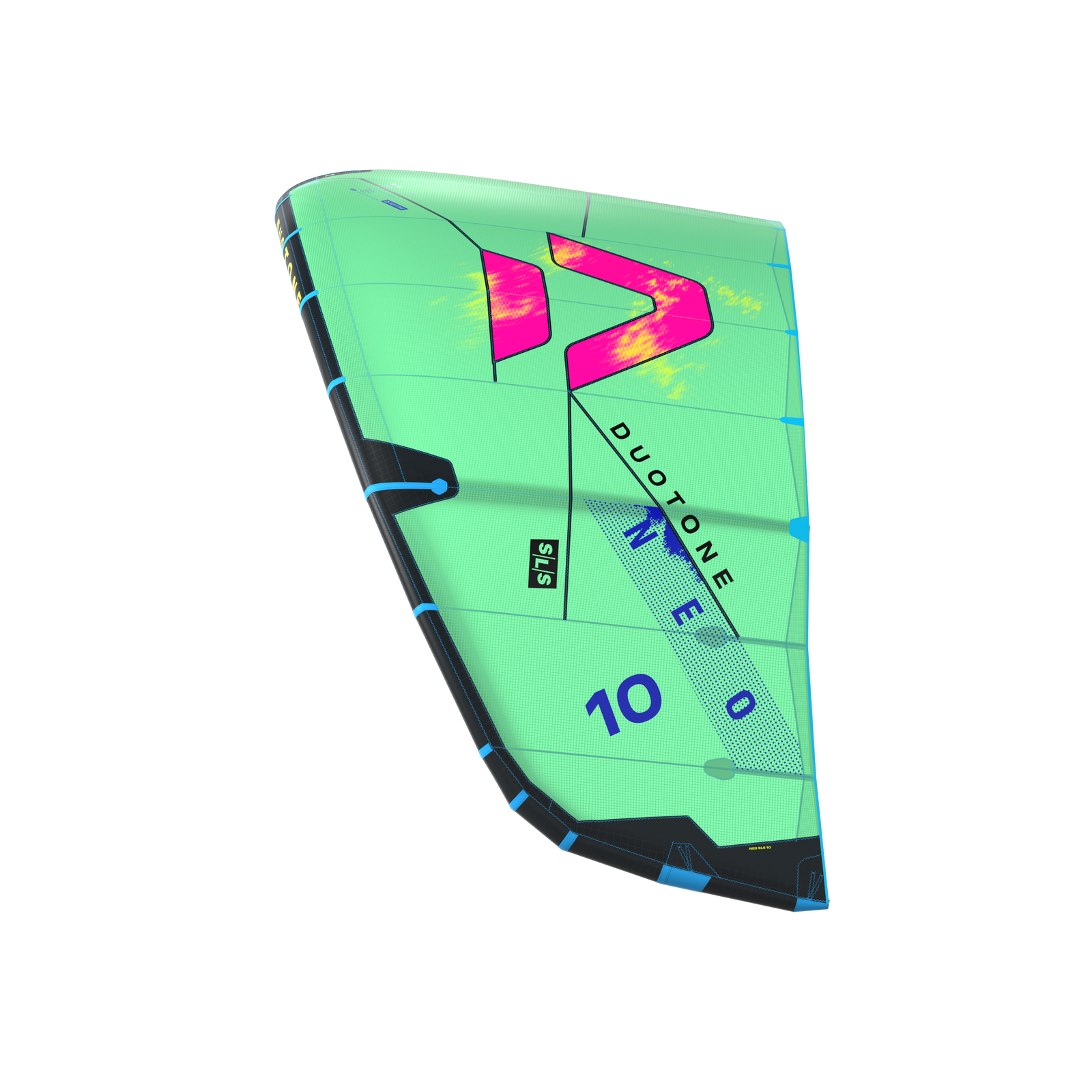
Prices and 2026 specs are pulled live from each product page. Confirm on the product page before checkout.
04 — MistakesThree mistakes we see every week
Ready to dial in your onshore quiver?
Browse our full range of kites and boards — filtered by size, brand, and conditions.
Frequently asked
12 knots in a 14 m² kite. Below that, you'll struggle to generate lift in rough water. 14–16 knots is the sweet spot for learning.
Only if you're over 90 kg and the wind's blowing 20+ knots sustained. For most beginners, 7 m² is too small onshore — you'll be underpowered the moment the wind dips.
Wind pushes the surface into waves that have nowhere to go — they just stack up and collide. It's rough but it's shallower and closer to shore than downwind swells, so you're never in deep water.
Yes. Full stop. Onshore chop is chaotic. A wipeout in 2-foot soup looks small until your head hits the board.