
Kitesurfing in Cold Water — Winter Gear & Safety Guide
Cold water kitesurfing across Europe—from Portugal's Atlantic breaks to the Baltic—demands serious gear and respect. We'll walk you through the wetsuit layers, safety essentials, and kite choices that keep you riding safely when water temps drop below 10°C.
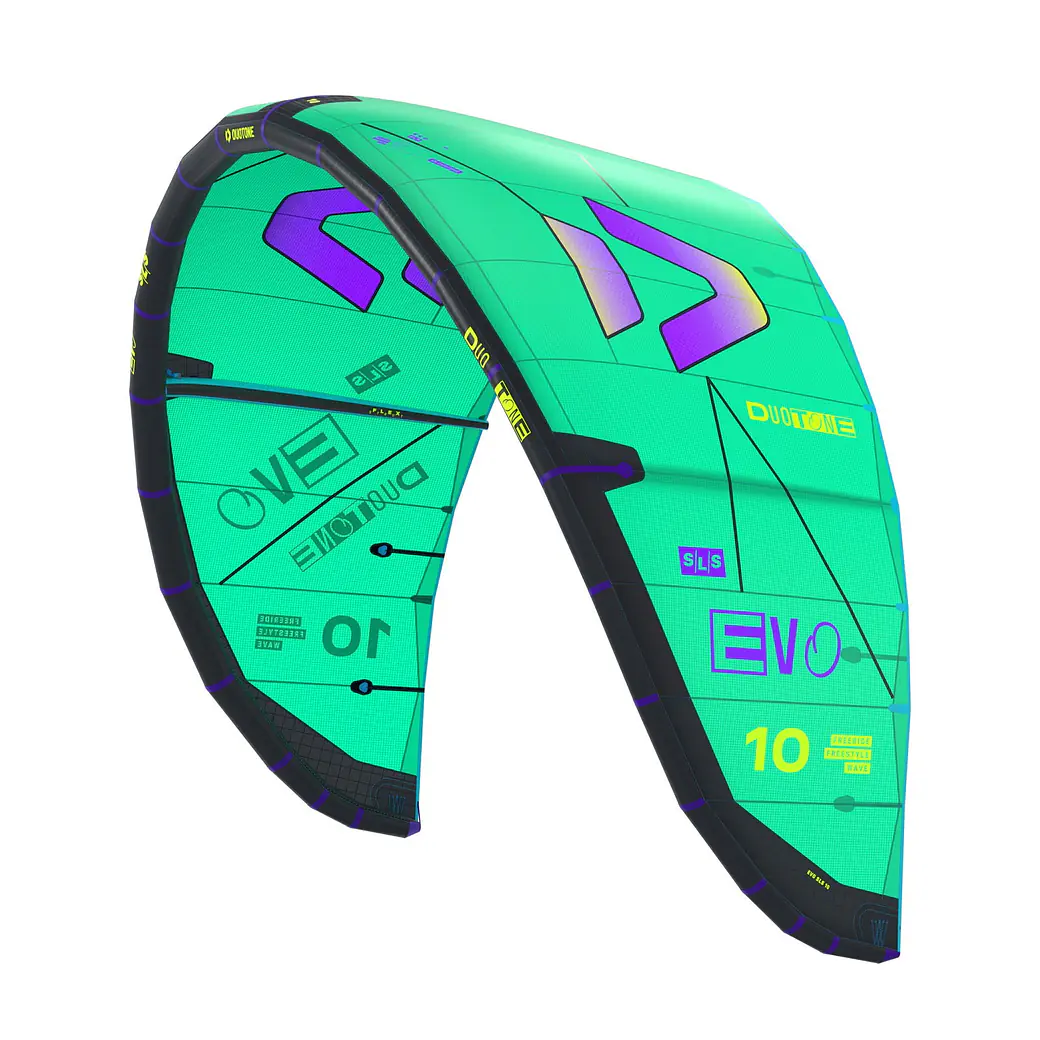
Winter kitesurfing means 5mm+ wetsuits with hoods, neoprene gloves, core temperature management, and responsive kites like the Duotone Evo SLS that handle variable wind. Ride in 2–4 hour sessions max, know your hypothermia signals, and never solo. The payoff: glassy conditions and empty line-ups from November through March.
01 — Staying WarmWetsuit Layering & Thermal Protection
A 5mm neoprene suit is the absolute minimum when water sits below 10°C. We've shipped thousands of winter sessions and riders from Tarifa to Cape Town tell us the same thing: skip the 4mm and you'll be shivering by hour two. Pair that with a 3mm hood—it sounds like overkill until you realize 40% of heat loss happens through your head—and neoprene gloves that let you grip the bar without losing sensation.
Layering matters more than a single thick suit. A 5mm chest panel under a 4mm springsuit gives you mobility and warmth. Booties with good arch support keep your feet from going numb on the board. Check the product page for exact thickness specs on any suit you're eyeing, but don't cheap out here—your core temp depends on it.
02 — Gear MatchKite Selection for Inconsistent Winter Wind
Winter wind on the Atlantic and North Sea isn't steady. You get offshore gusts, thermal lulls, and sudden shifts that catch you off-guard. The Duotone Evo SLS excels here—its drift and low-end grunt pull you through the dead patches without overstretching your gloved hands on the bar. Riders across European winter breaks swear by SLS tech for thick neoprene and bulky gear; it's more forgiving when you're padded and less nimble than summer.
If you want all-around winter versatility, the Duotone Neo SLS sits a step down in price but keeps that same responsive feel. The Duotone Dice SLS leans freestyle, so save it for flat water or days when air temps stay above freezing. Cold hands + freestyle tricks = frustration. Stick to wave and bump-and-jump until spring.
03 — Our picksFour Winter Kites We Stock & Recommend
We've chosen these four because they handle European winter wind ranges (8–20 knots) without demanding perfect conditions. Each one pairs well with heavy wetsuits and the reduced dexterity you'll have in gloves.
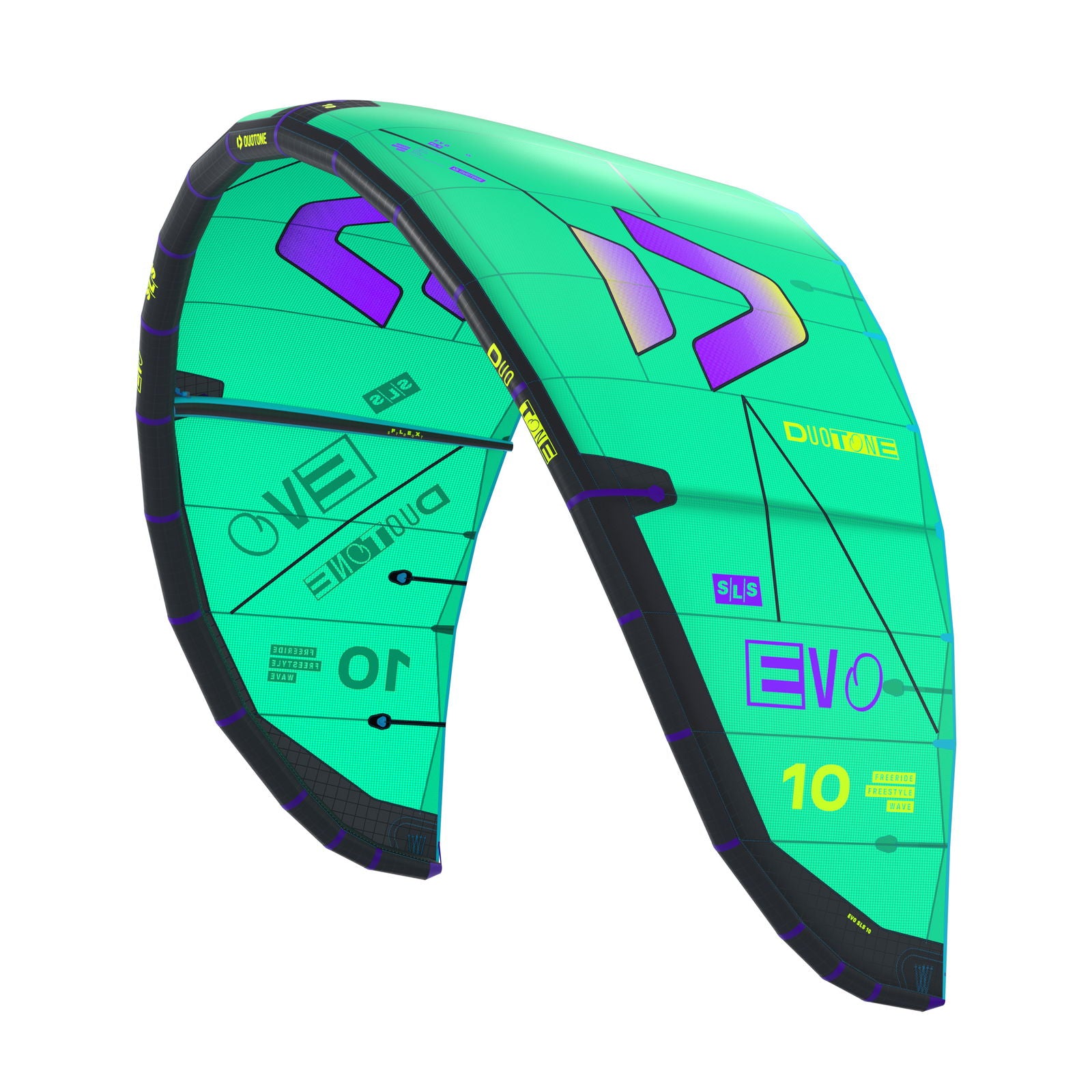
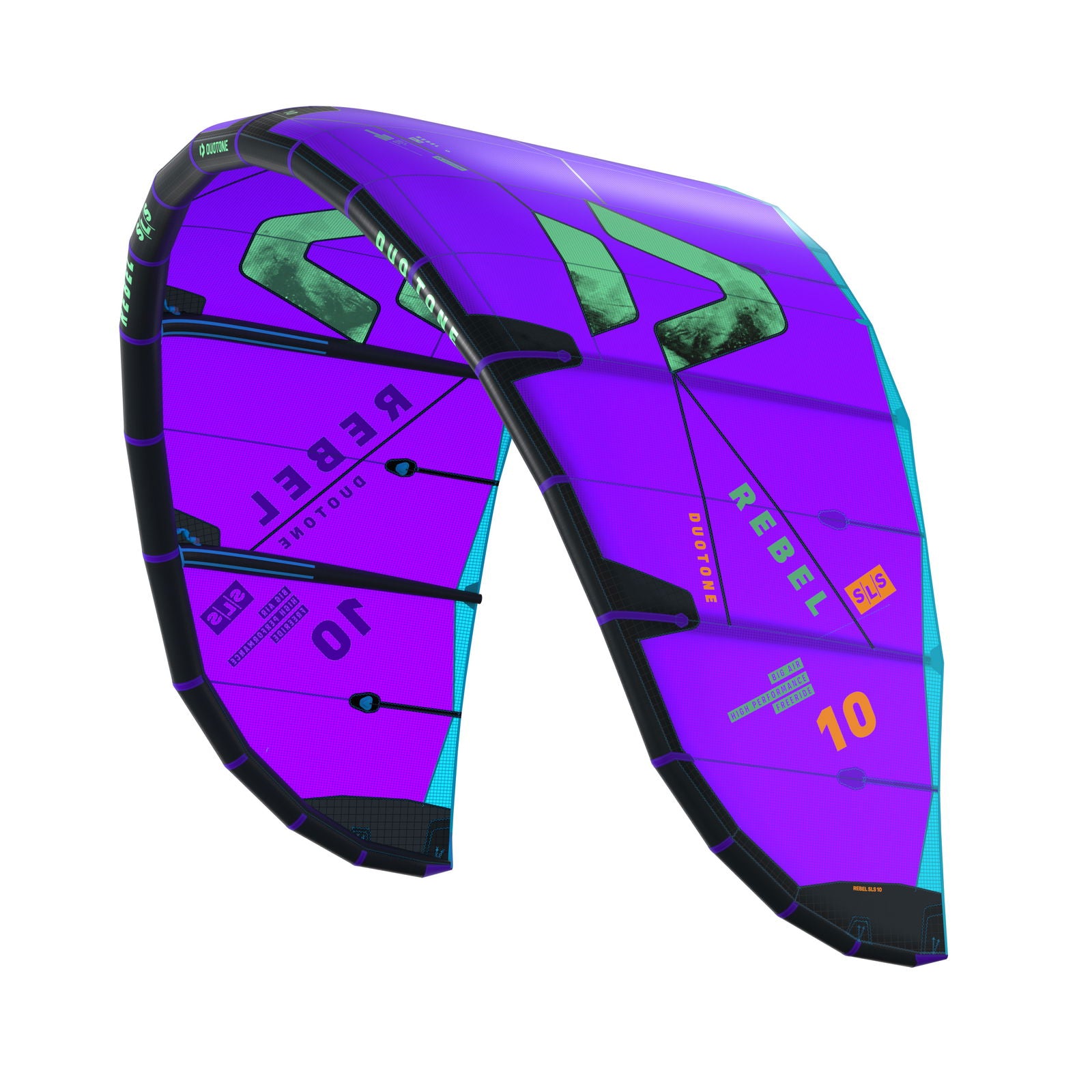
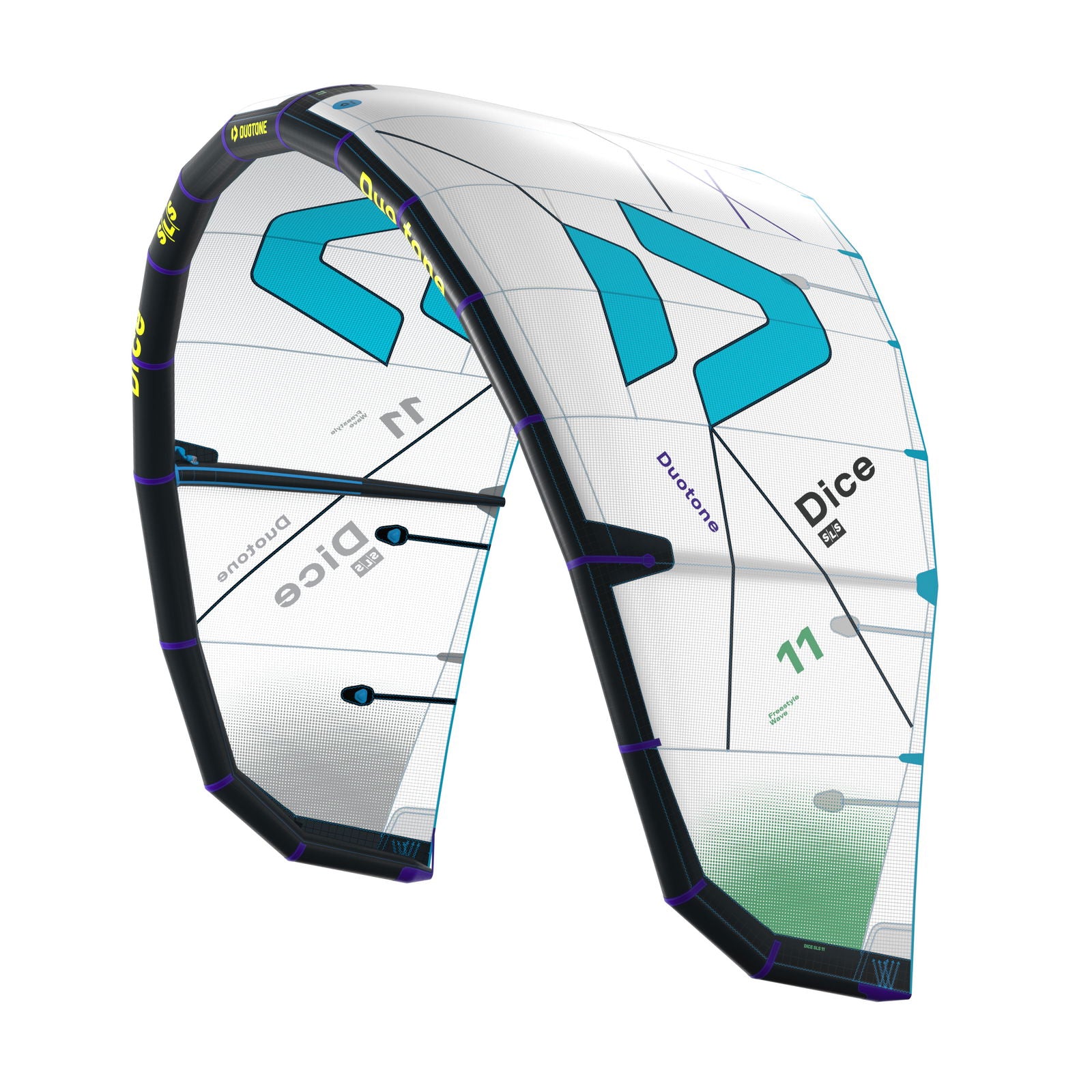
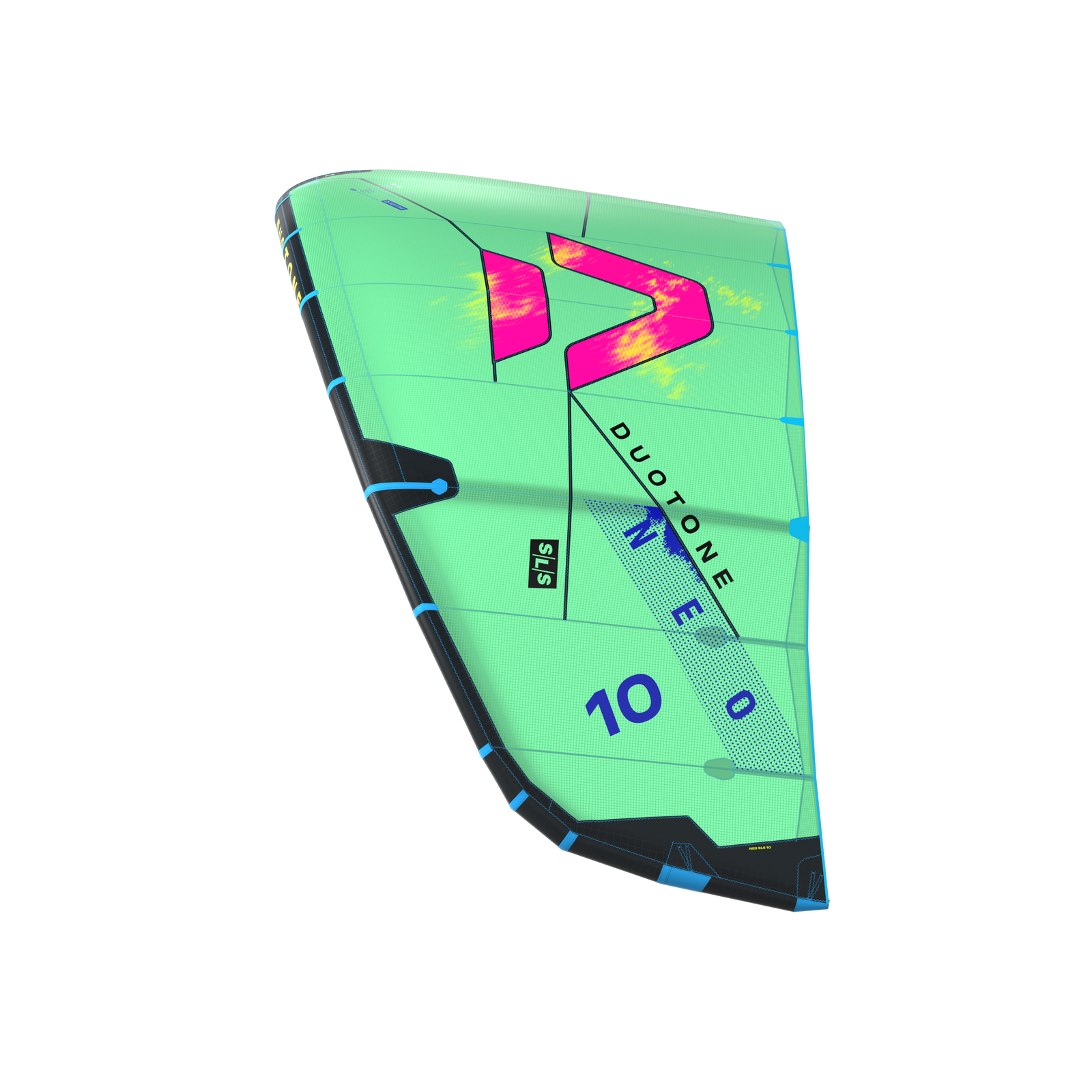
Prices and 2026 specs are pulled live from each product page. Confirm on the product page before checkout.
04 — MistakesThree mistakes we see every week
Ready to Own Winter?
Browse our full range of cold-water wetsuits, hoods, gloves, and Duotone winter kites.
Frequently asked
Below 10°C, you need a 5mm+ suit, hood, and gloves. Below 5°C, most riders pull back or opt for shorter sessions. Know your limits; cold water is unforgiving.
Plan for 2–4 hours max before core temperature becomes a concern. Exit earlier if you start shivering uncontrollably or lose grip strength.
Not necessarily, but responsive, drift-friendly designs like the Duotone Evo SLS handle variable winter wind better than pure freestyle or wave-focused kites. Test yours first.
Tight gloves cut off circulation and make your hands colder. Loose gloves let cold water in and ruin your bar grip. Aim for snug without compression. Thick gloves also bulk up bar feel, so practice before a session.