Is Kitesurfing Harder Than Windsurfing? (2026 Answer)
Kitesurfing and windsurfing look identical from the beach, but they're completely different animals. We'll cut through the hype and show you which one actually matches your patience, fitness, and local conditions.
Kitesurfing has a steeper initial barrier—you need 10–15 hours of professional instruction to master kite control and safety systems before you touch a board. Windsurfing feels gentler early on, but reaching planing speed takes longer. The harder sport depends on your patience and wind. Both are rewarding; pick based on what you'll actually stick with.
01 — First 15 hoursThe Learning Curve: Kitesurfing's Gated Approach
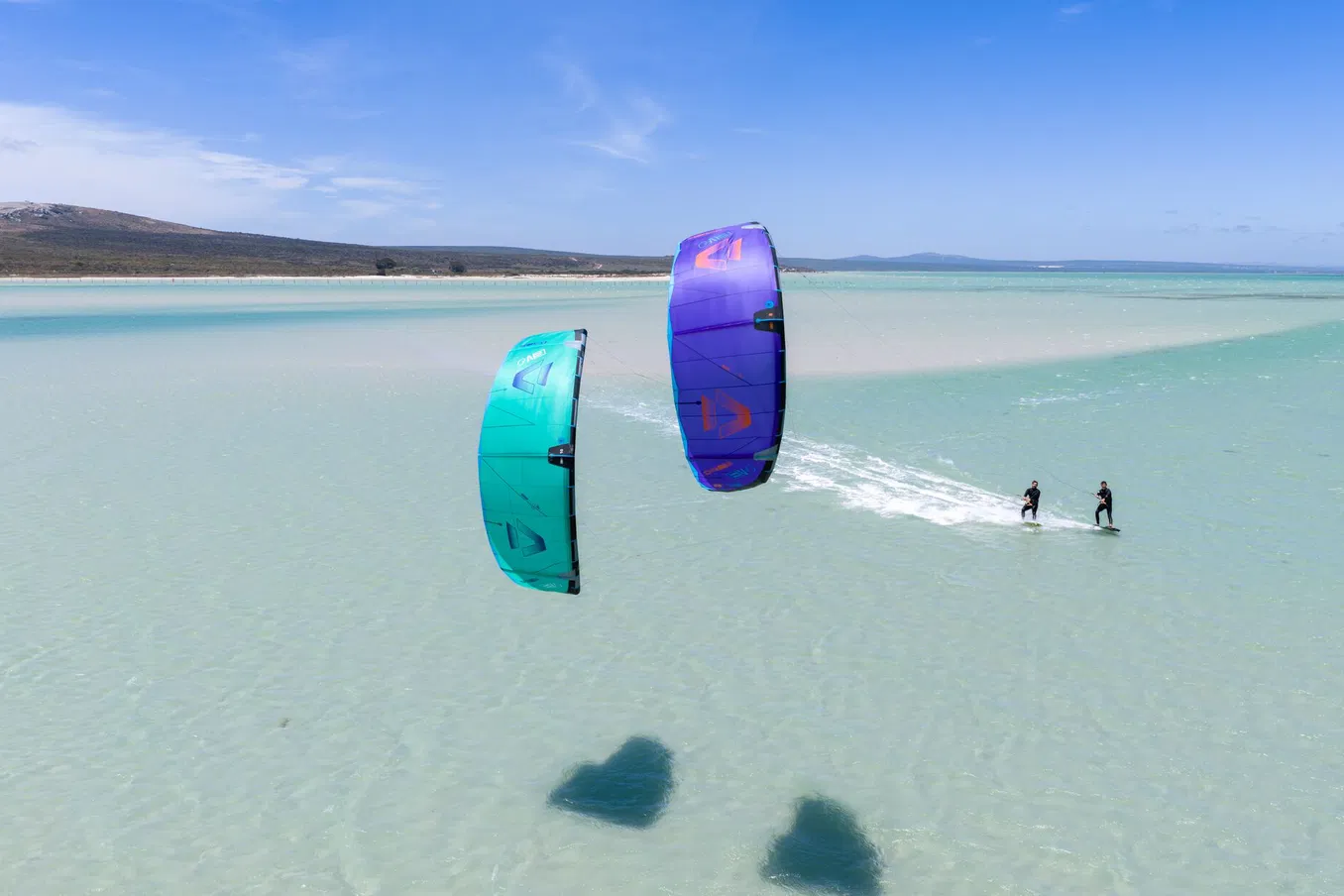
Kitesurfing locks you into a sequence. Your first lessons—all of them—focus on kite control and the depower system. You're reading wind, feeling bar pressure, keeping the kite stable in the window. You don't ride until your instructor says you're safe.
That gatekeeping sounds harsh, but it's why kitesurfing injury rates are lower than they used to be. A runaway kite in strong wind will hurt. A runaway board won't. Windsurfing, by contrast, lets you strap in and flail from day one. You'll fall constantly—but you won't panic about losing a 12 m² kite at 18 knots.
If you hate waiting, windsurfing wins the first week. If you're the type who reads the manual, kitesurfing's structured path feels like progress.
02 — What your body actually doesPhysical Demands: Strength vs. Endurance
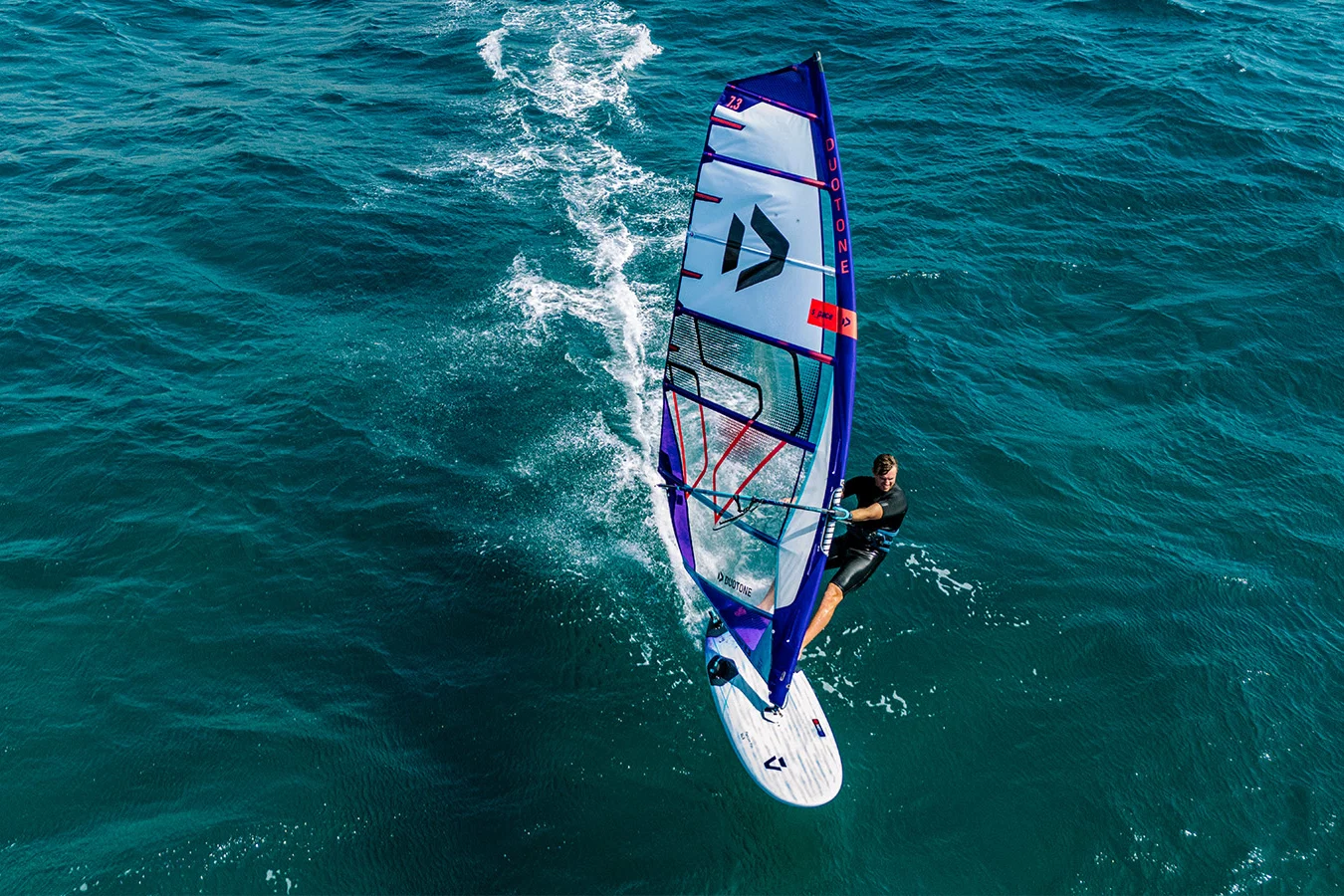
Windsurfing is a full-body endurance test. Your arms pump the sail, your core twists through each gust, your legs brace in the strap. A 90-minute session leaves you wrecked. Riders from Tarifa tell us they need shoulder stability work just to stay healthy.
Kitesurfing demands explosive power in shorter bursts. You're using your legs and core for edge control and tricks, your arms for bar steering. Most sessions are 60–75 minutes because kite control fatigues your shoulders faster than you'd expect. But you're not grinding—you're riding in windows.
If you're 55 and recovering from injury, kitesurfing wins. If you're 28 and chasing fitness, windsurfing wins. Neither is a cruising sport.
03 — Our picksOur 4 In-Stock Picks
If kitesurfing is your path, we've got four Duotone SLS 2026 models in stock right now. Pick one based on your wind window and whether you want drift or directional pop.
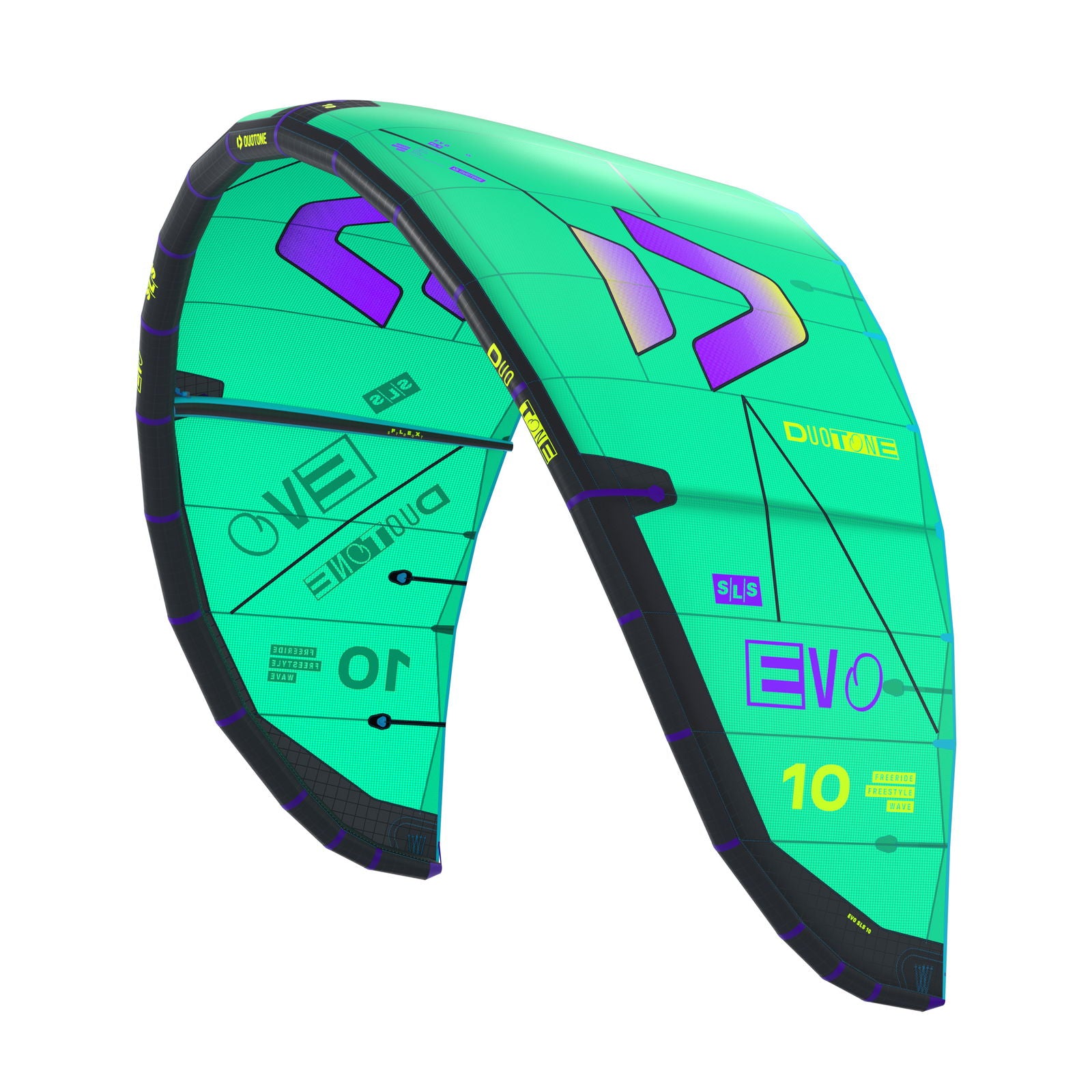
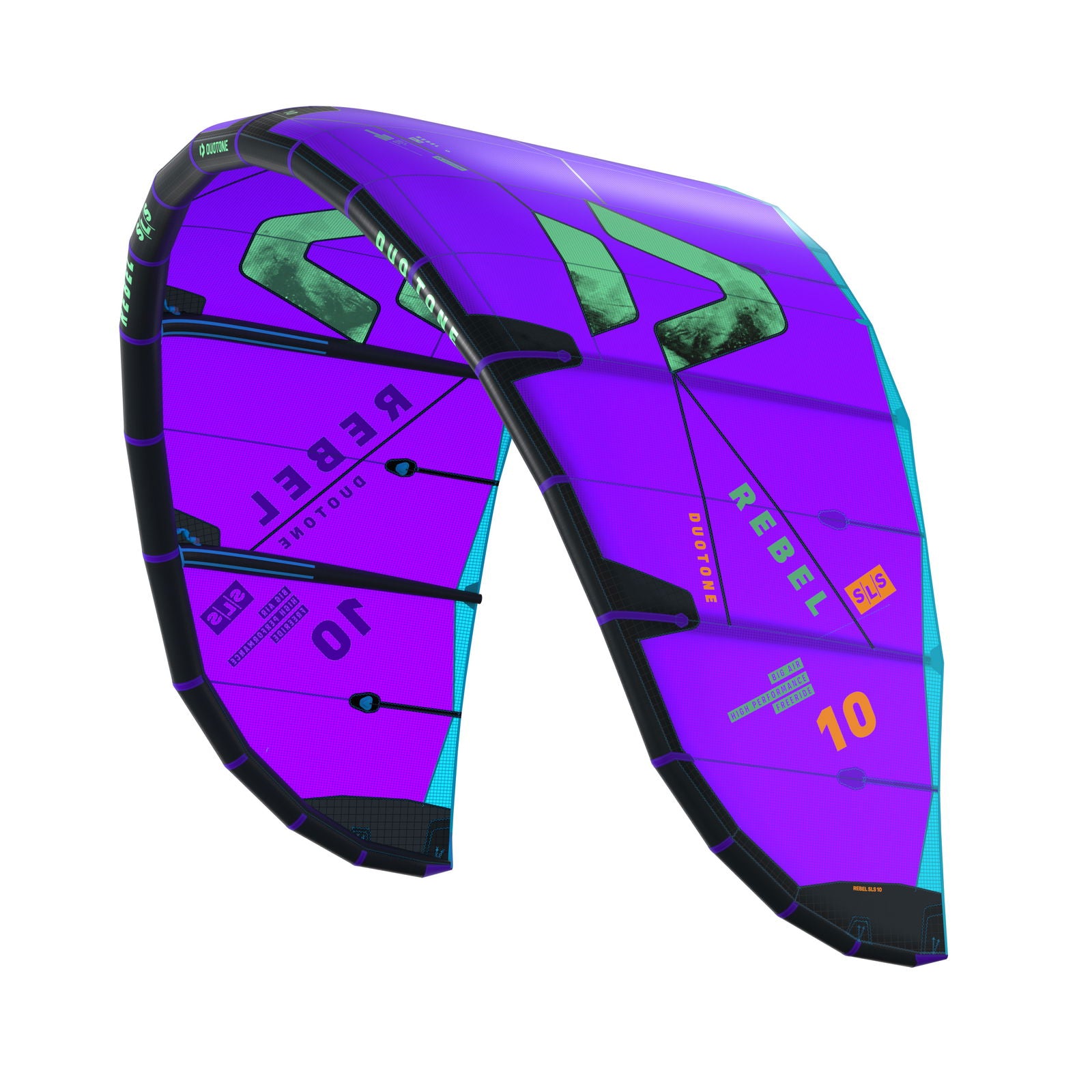
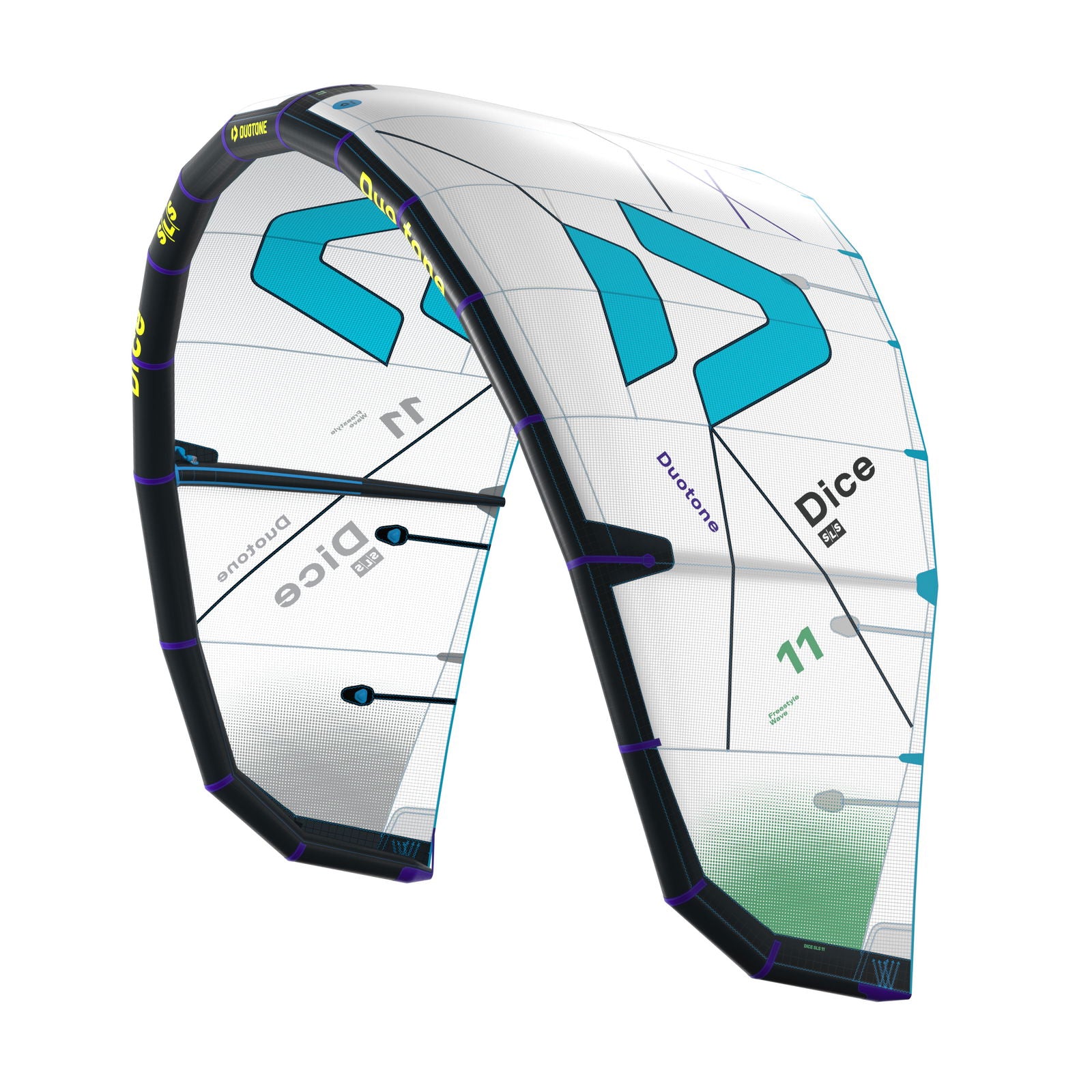
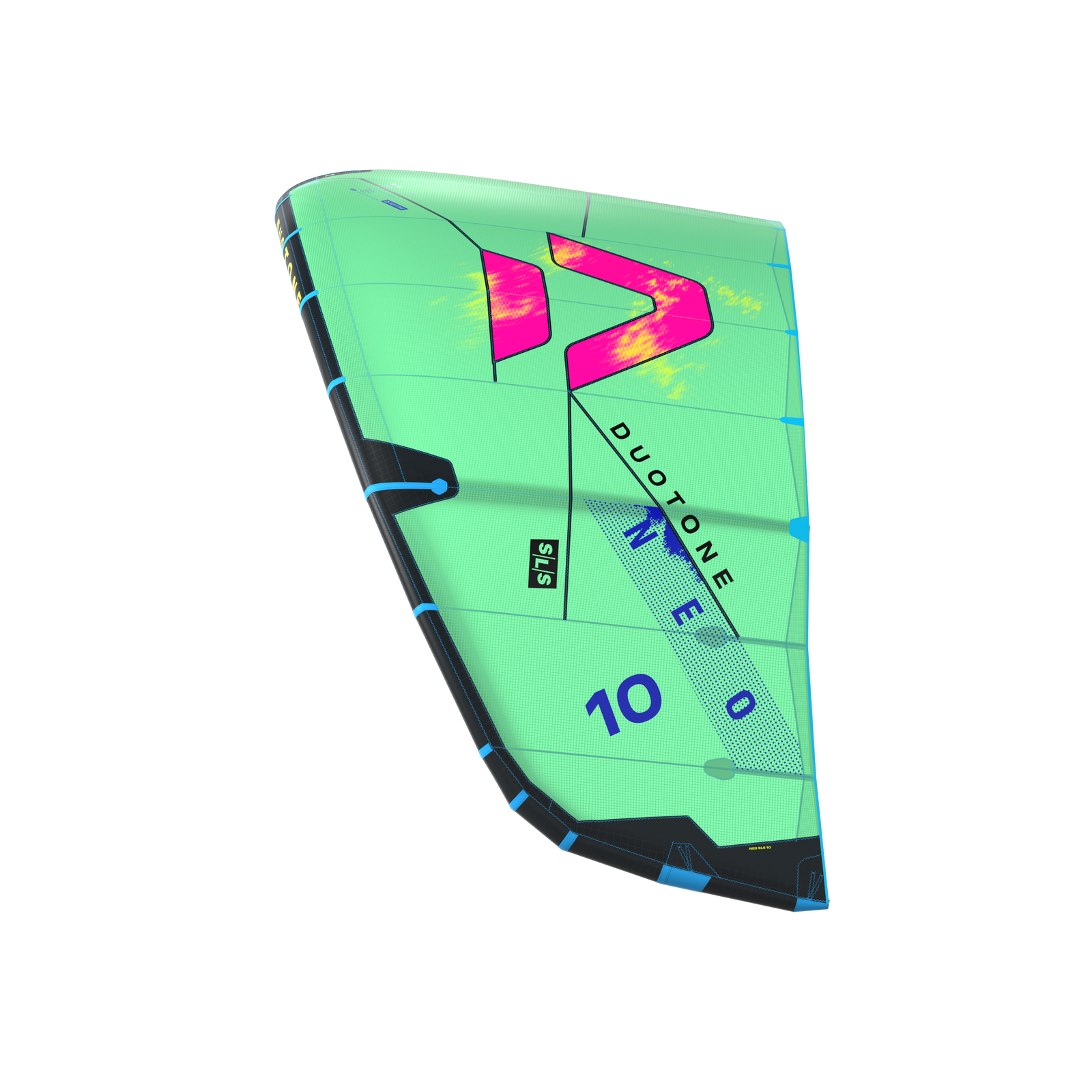
Prices and 2026 specs are pulled live from each product page. Confirm on the product page before checkout.
04 — MistakesThree mistakes we see every week
Ready to start kitesurfing?
Browse our kite quiver—we stock Duotone, Cabrinha, and Gaastra across 7–12 m² sizes.
Frequently asked
10–15 hours of instruction. Most schools split this across 4–5 days. You'll control the kite and board separately before combining them.
Kitesurfing, early on. You'll bail learning kite control. Windsurfing gets you falling on the first day too, but falling off a board is less dramatic than a kite-fueled dive.
Kitesurfing. A 17 m² kite works in 10 knots. Windsurfing needs at least 8 knots on a 9.0 m² sail, but you won't plane or have fun. Kites shine in marginal wind.
Yes. Riders who do both tell us the skills transfer unevenly—kite control doesn't help sail trim much, but the board sense helps both. Expect a few sessions relearning balance on the other sport.