
How to Repair a Wetsuit — DIY Neoprene Fix Guide
A small tear in your wetsuit doesn't mean it's done. We've repaired hundreds here at surf-store.com, and most fixes take under an hour with the right adhesive and technique.
Grab a neoprene-specific repair kit, clean the tear thoroughly, roughen both edges with sandpaper, apply neoprene cement (not superglue), clamp for 24 hours, and you're back in the water. Small tears under 5 cm last seasons when done right.
01 — Adhesive choiceWhy Superglue Fails (And What Actually Works)
Superglue cracks the moment your wetsuit flexes in cold water. We've seen it snap on riders within a week. Contact cement is better but still fractures under pressure.
Neoprene cement is the only choice—it's formulated to move with the material, not against it. The flexible bond survives temperature swings and the constant flex of your arms and legs. Buy a repair kit designed for wetsuits; they include sandpaper, the right cement, and often a patch. It costs around €10–15 and lasts for 3–4 repairs.
02 — TechniqueThe Three-Step Repair Process
Step 1: Clean and dry. Rinse the tear with fresh water, pat completely dry, and leave it on a warm radiator for 30 minutes. No moisture under the glue or the bond fails.
Step 2: Roughen both sides. Use the sandpaper from your kit to scuff the tear edges and a 1 cm border around it. This gives the cement grip. Sand until the area looks dull, not shiny.
Step 3: Glue, clamp, wait. Apply neoprene cement to both roughed surfaces, press together, and clamp with a flat weight (a book, a diving weight, anything). Leave it for 24 hours in a warm, dry spot. If the tear is longer than 5 cm or goes through to the lining, reinforce the inside with a neoprene patch after gluing the tear itself.
03 — Our picksOur 4 In-Stock Picks
If your suit's beyond saving or you're tired of patching, we stock durable wetsuits built to last seasons. The Neilpryde Serene and Vamp lines are our go-to recommendations for riders who want to skip the repair cycle.


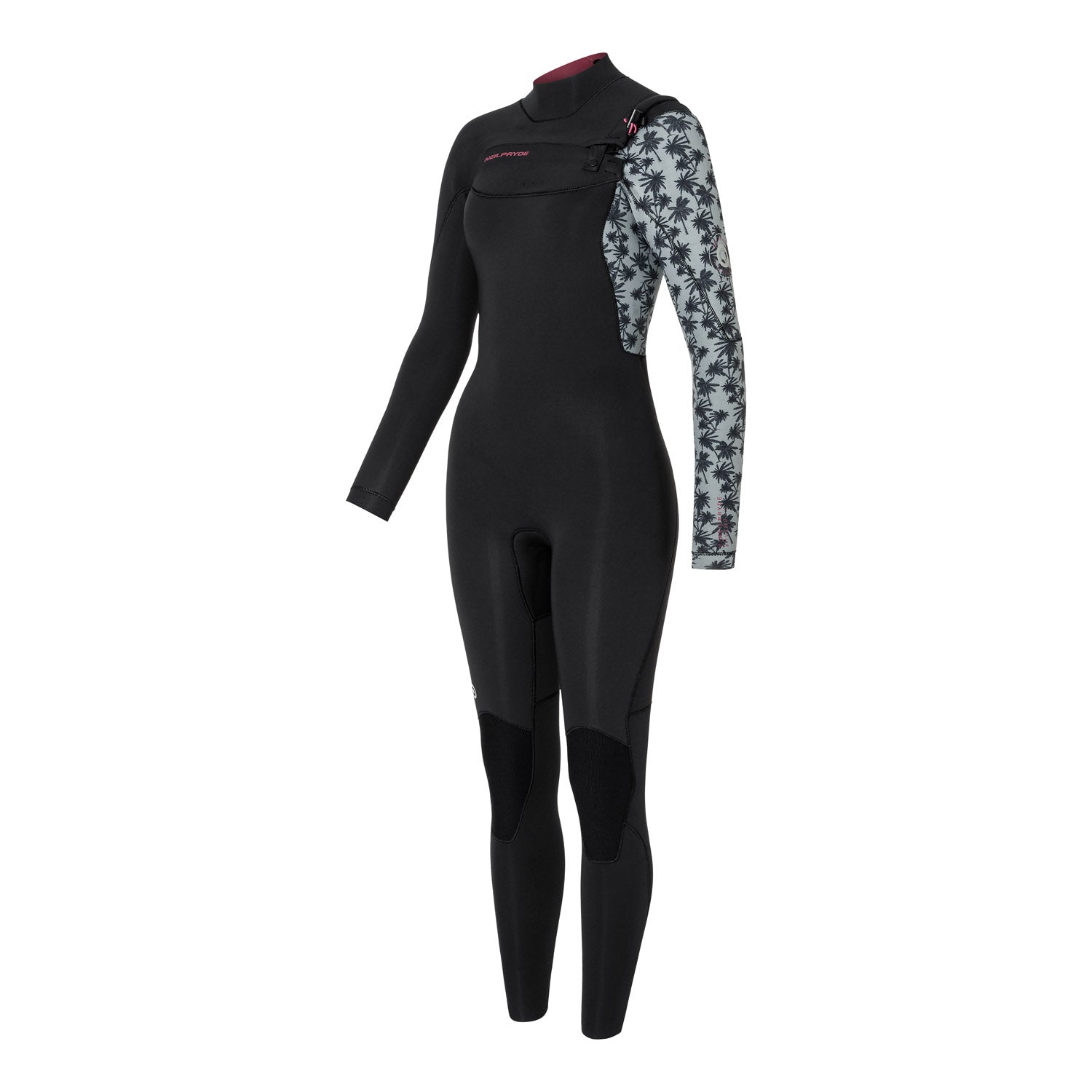
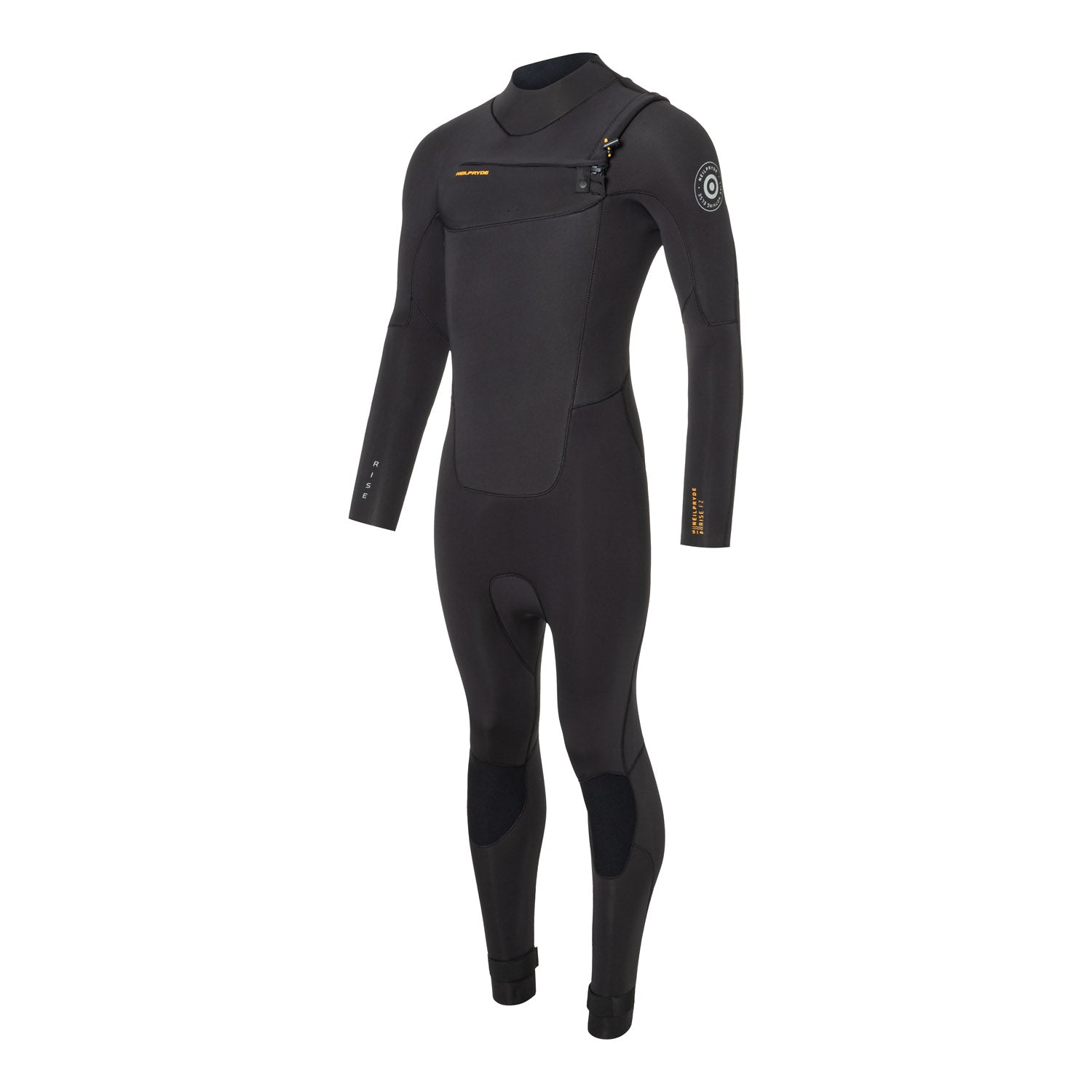
Prices and 2026 specs are pulled live from each product page. Confirm on the product page before checkout.
04 — MistakesThree mistakes we see every week
Ready to gear up?
Browse our full range of wetsuits in 3/2, 4/3, and 5/4 thicknesses for European water.
Frequently asked
Yes, but reinforce it. Glue the tear shut from the outside, then apply a neoprene patch to the inside lining. This double-sided approach holds under pressure.
When done right, small tears (under 5 cm) last as long as the suit. We've seen repairs hold for entire winters. Large tears or multiple repairs in one suit suggest it's time to upgrade.
A 4/3 has 4 mm torso neoprene and 3 mm limbs—good for mild winters and autumn water. A 5/4 is thicker all over for cold Atlantic and Mediterranean winters. Check your local water temps before buying.
Seams are harder to fix at home. If water seeps at the shoulders or ankles, you'll need a specialist tailor or a replacement suit. A fresh Neilpryde Serene or Vamp is often cheaper than professional seam repair.