How to Jibe in Windsurfing — Step-by-Step Technique Guide
A jibe keeps your sail powered through the entire turn—it's faster than a tack and the move that separates casual riders from confident ones. We'll walk you through the footwork, weight transfer, and timing so you can nail it every time.
A jibe pivots your board's tail through the wind while keeping the sail powered the whole way through. Swap your foot position, use your body weight to rotate the tail, and sheet in as you exit. It's the fastest downwind turn—essential for wave, freestyle, and slalom riders. Our JP Australia wave boards reward clean jibe practice.
01 — Direction and powerWhat Makes a Jibe Different from a Tack
A tack turns you into the wind—your sail goes limp, you pivot the nose through, then power up on the other side. Dead time, wasted speed.
A jibe turns you away from the wind. Your sail stays filled. You're rotating the tail instead of the nose, your weight stays centered or back, and you exit with drive already built in. On the wave, that's the difference between a smooth carve and a stalled turn.
Think of it this way: tack = reset. Jibe = flow. Once you've locked the footwork, jibes become automatic, and you'll wonder why you ever tacked downwind.
02 — Footwork and timingThe Step-by-Step Jibe Sequence
Set up: You're on a reach, sail powered, board trimmed. Your back foot sits on the tail—not hanging off, but weighted enough to feel the pressure. Front foot stays centered or slightly forward of center. Eyes ahead of the turn.
Initiate: Sheet out slightly—just enough to lighten the sail pressure. At the same time, weight your back foot harder and twist your hips downwind. The board's tail starts to pivot. Keep your head up; don't look at your feet.
Swap: As the tail comes around, shift your front foot toward the new tail position and step back with your original back foot. This happens fast—a single flowing motion, not a step-pause-step. Your weight transfers across the board's center line.
Exit: As your body faces the new direction, immediately sheet in. The sail catches the wind on the new side, the board accelerates downwind, and you're done. The whole thing takes two seconds once you've practiced it.
03 — Our picksOur 4 In-Stock Wave Board Picks
We stock JP Australia and Tabou wave boards because they're built for jibe practice and progression. All of these are responsive through the tail—the feedback you need to feel your weight transfer improve.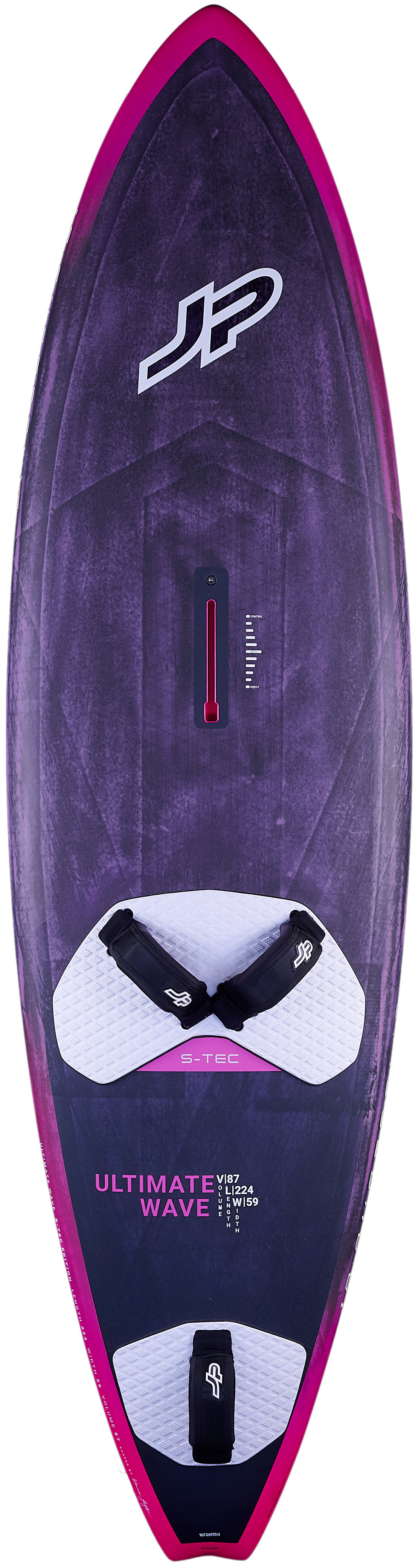
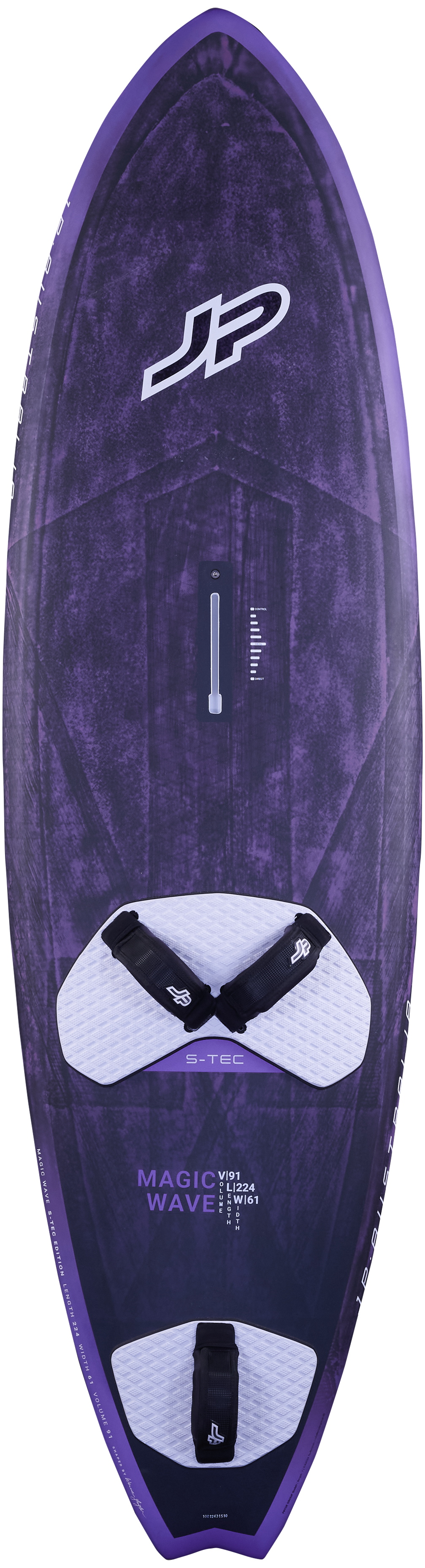
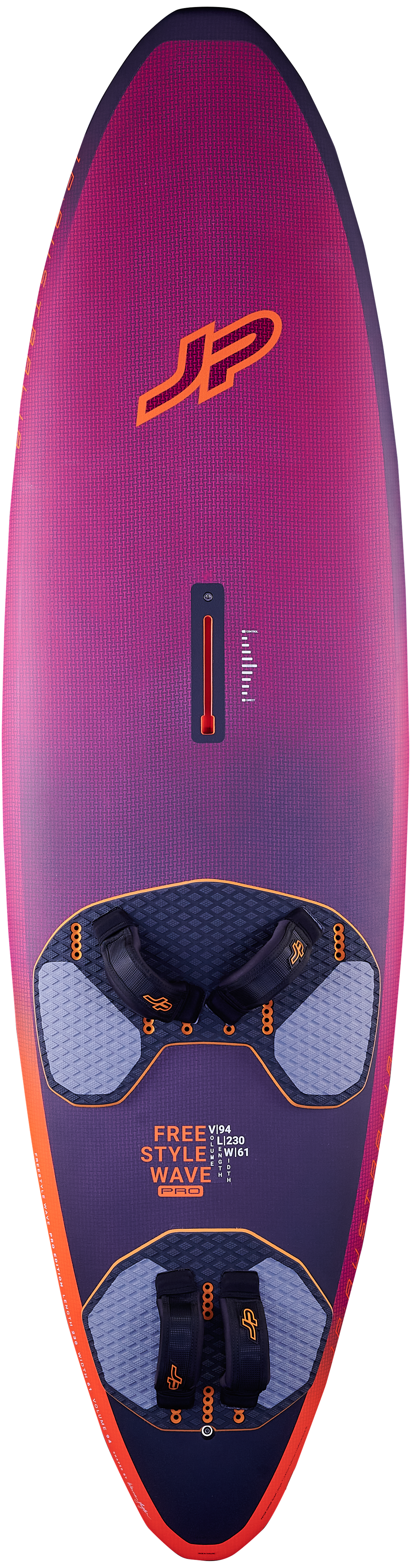
Prices and 2026 specs are pulled live from each product page. Confirm on the product page before checkout.
04 — MistakesThree mistakes we see every week
Ready to lock in your jibes?
Browse our JP Australia and Tabou wave boards to find the right size for your weight and style.
Frequently asked
Start on a wave board between 70–85 L if you weigh 70–85 kg. Smaller, more responsive boards force better technique. Check our JP Australia range for your weight.
Yes—that's where jibes matter most. In choppy water, they're harder to execute cleanly, so nail them on a reach first, then take them into 1–2 foot swell.
Most riders lock the motion in 30–50 attempts. It feels awkward for the first 20, then suddenly clicks. Consistency comes after another 100.
Not the footwork—but smaller sails (3.0–4.0 m²) are easier to manage during the foot swap because there's less sail inertia. Start small, work up as your timing sharpens.