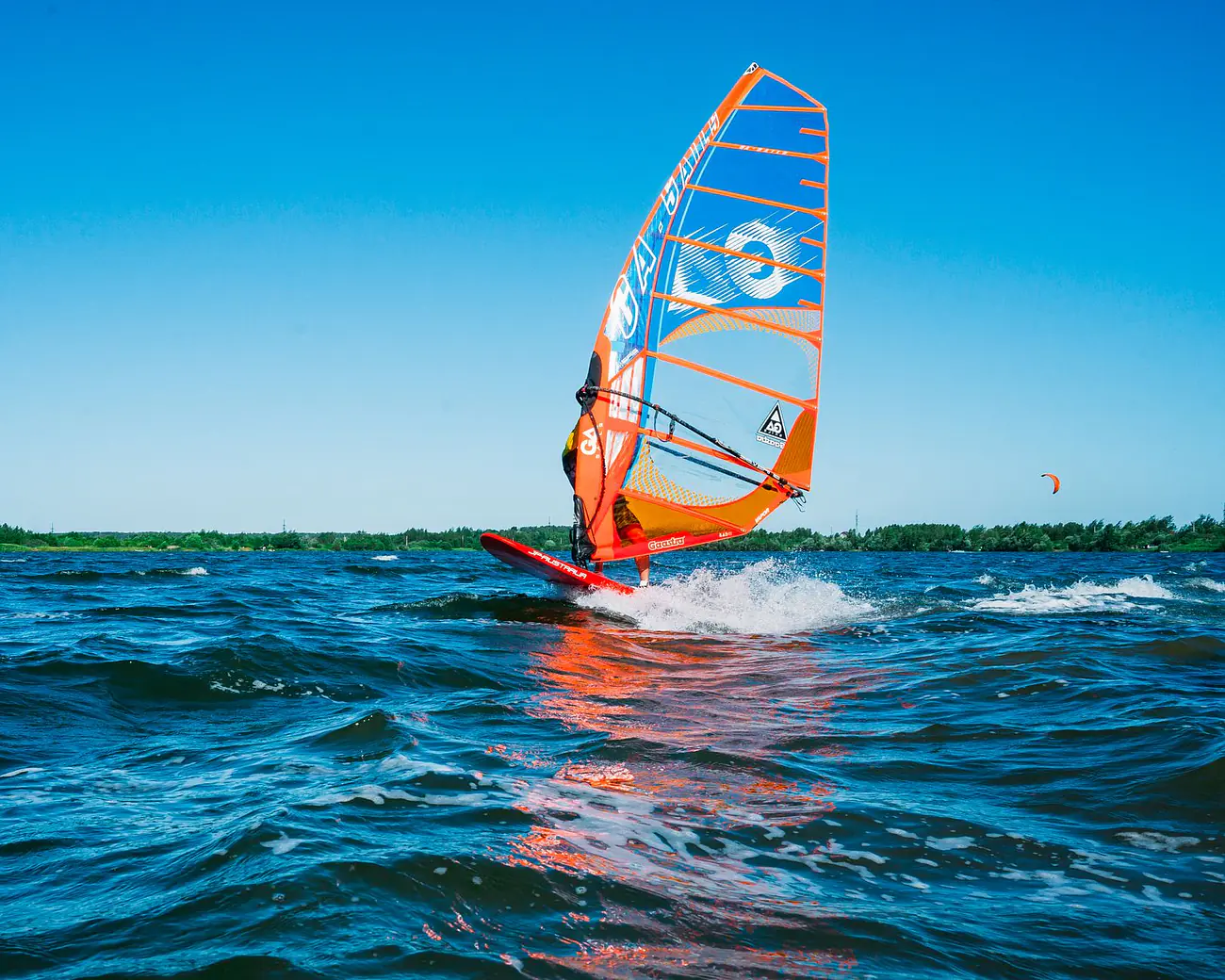
How Long Does It Take to Learn Windsurfing? — Realistic Timeline
Windsurfing's learning curve is real, but you won't stay a beginner forever. Most riders nail the basics in 10–20 hours, then spend months building muscle memory and reading wind. Here's the honest timeline.
You'll stay upright and sail downwind after 4–8 hours. Intermediate level (variable wind, decent control) takes 30–50 hours spread over weeks. True competence across conditions needs 50–100+ hours over several months. Consistency beats talent every time.
01 — FoundationsThe First Few Hours: Can You Even Stay Up?
Your first 4–8 hours on the water feel chaotic. You're learning to uphaul, balance board weight, and understand how to point downwind without tipping. Your arms burn. Your legs shake. You'll eat water. This is normal.
Most riders we've taught nail the basics — staying upright, sailing downwind, the uphaul — within this window. You won't be carving or tacking. You won't be confident. But you'll have the muscle memory blueprint. Light winds (10–12 knots) and a forgiving board (120–140 L) make this phase way shorter.
Bring a mate who knows what they're doing. Watching someone else make the same mistakes you're about to make cuts your learning time in half.
02 — Early progressionWeeks 2–6: When Sailing Stops Feeling Like Drowning
By week 3, you're sailing on command instead of by accident. You can tack (mostly). You understand how to sheet in and out. Your forearms stop screaming after 30 minutes. This is when windsurfing stops being a fight and starts being actual sport.
Real progress happens here — 20–30 hours total, spread across multiple sessions. Variable wind teaches you the most. Flat days are boring; gusty days force you to read the water and adjust. By week 6, you can handle 12–18 knots without panic. You're thinking ahead instead of reacting.
03 — Our picksBeyond 50 Hours: When It Actually Feels Easy
Fifty to 100 hours over several months is where windsurfing clicks. You stop thinking about balance and start thinking about speed, wave selection, and style. This is the phase where riders jump from beginner boards to intermediate wave or freeride setups — a JP Ultimate Wave S-TEC or Tabou board that demands real technique.
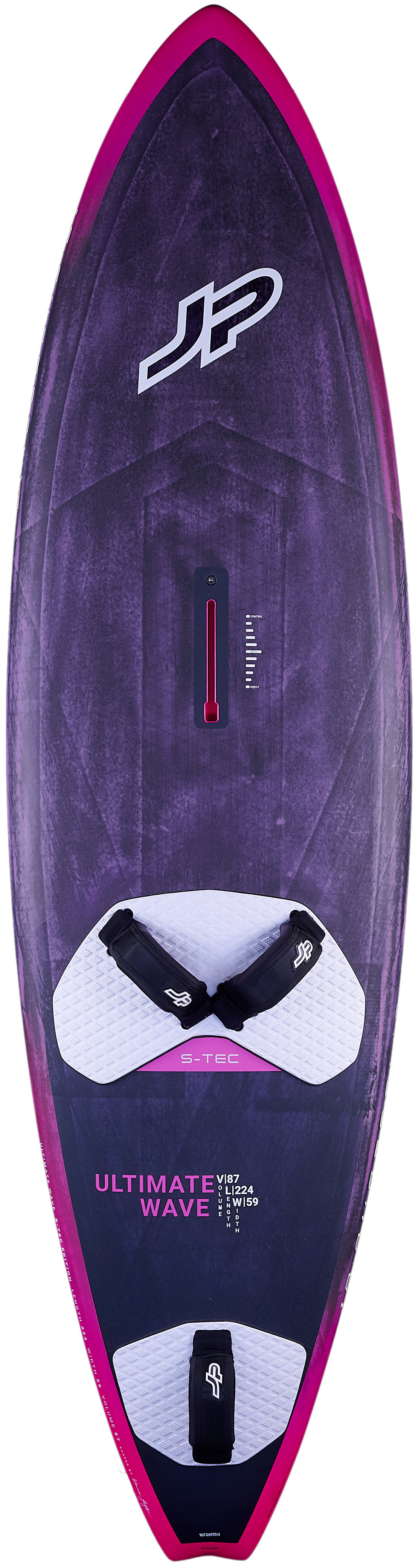
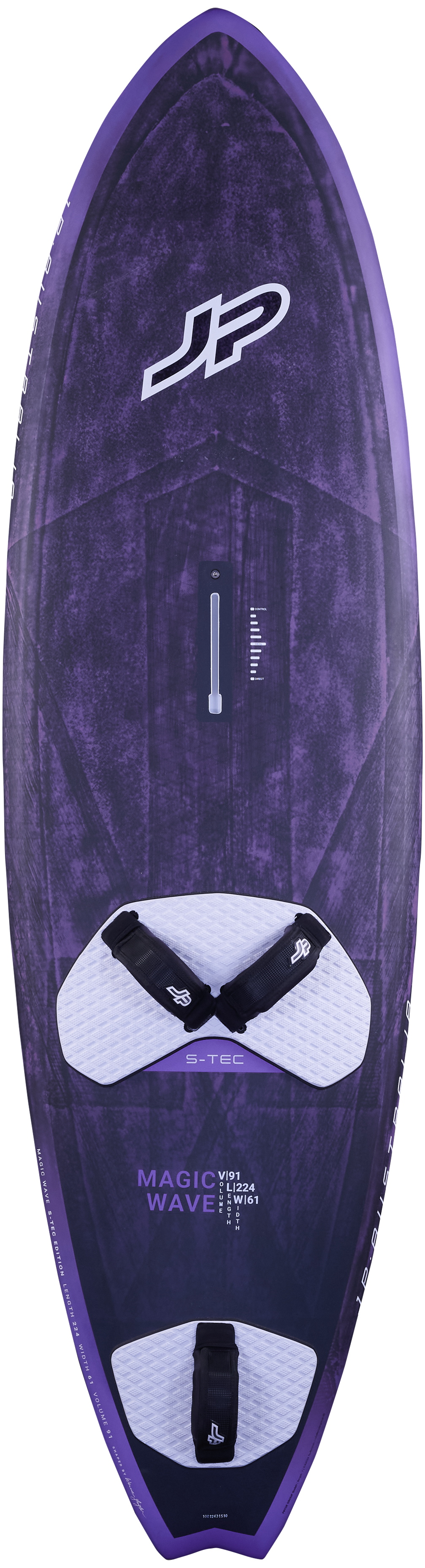
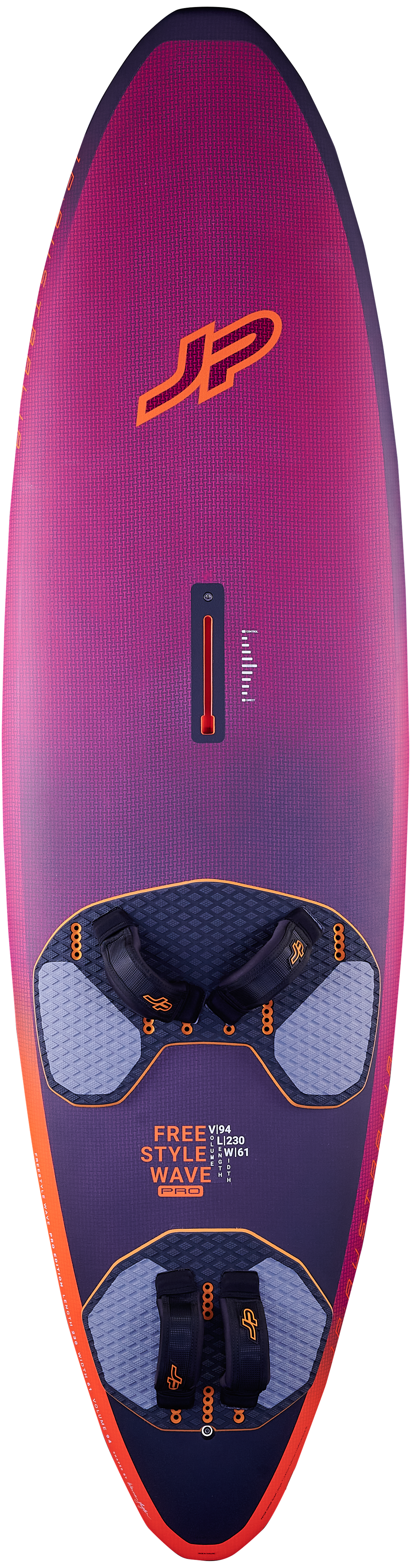
Prices and 2026 specs are pulled live from each product page. Confirm on the product page before checkout.
04 — MistakesThree mistakes we see every week
Ready to start?
Check our windsurf boards and complete beginner packages — everything you need to clear those first 10 hours without the frustration.
Frequently asked
You'll get upright and sail downwind in a day, but that's not learning — that's muscle memory activation. Real learning starts week 2. You need 4–6 sessions minimum over 2–3 weeks to feel solid.
10–14 knots. Light enough that you can focus on technique without fighting the board; strong enough that you actually feel the sail work. Avoid 6-knot days and 25+ knot days when you're new.
Your first 4–8 hours go faster with a coach — maybe cut it to 2–3 hours. After that, consistent practice with other riders beats lessons every time.
Rentals run €20–40 per hour. A beginner board (120–140 L) starts around €300–400 used, and a freeride sail (5.0–6.5 m²) costs €150–300 secondhand. Lesson fees vary by spot.