Foil vs Regular Kiteboard in Light Wind — Which Is Better?
Below 12 knots, a foil kiteboard wins every time. The underwater wing generates lift where regular boards just sit there, turning marginal sessions into proper rides.
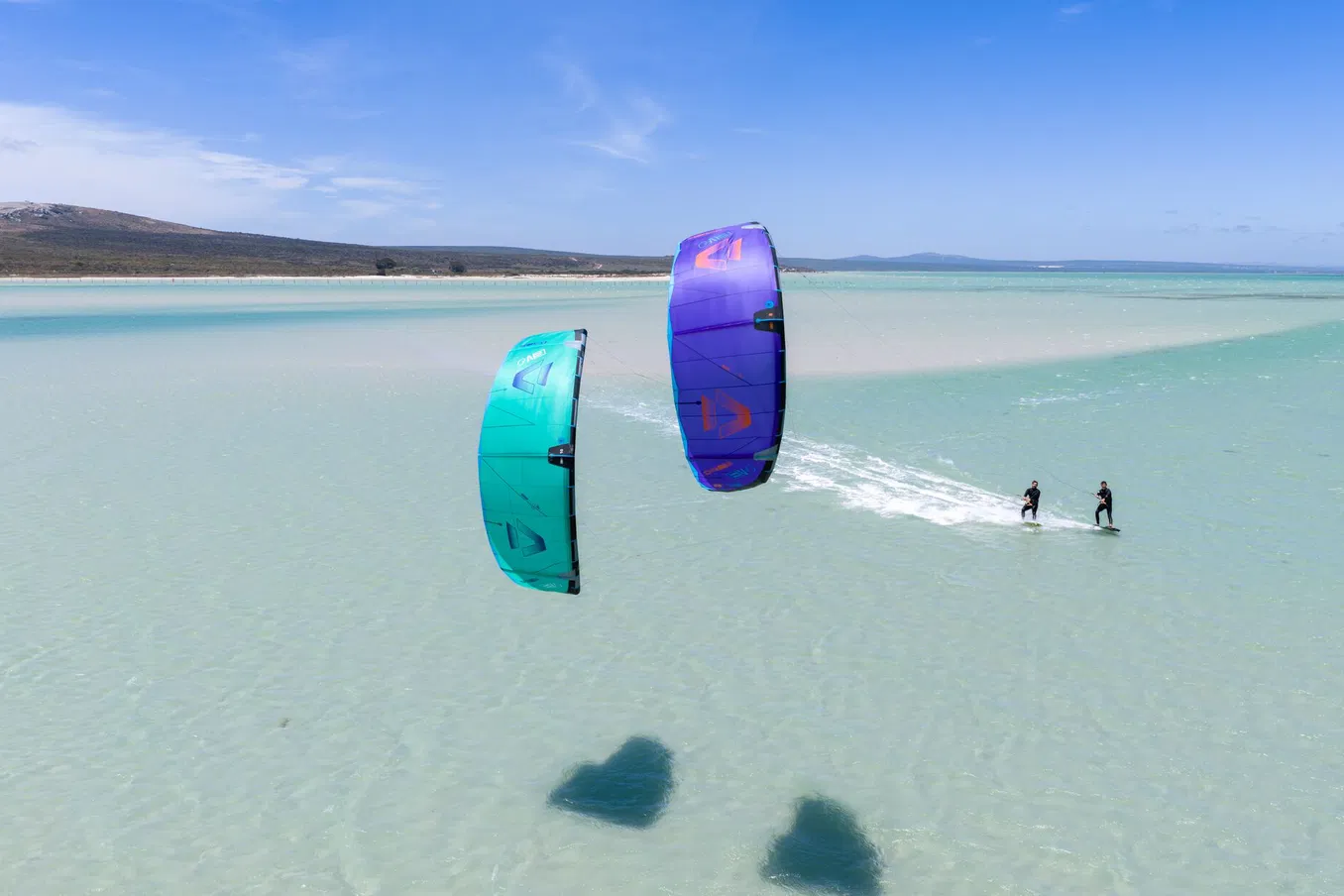
In light wind (8–12 knots), a foil kiteboard beats a regular twin-tip hands down. The underwater wing creates lift at low speeds where regular boards won't plane, meaning you'll ride longer and swim less. Pick a foil if your local spot is the Solent, Baltic, or anywhere winds hover around 10 knots. The Duotone Evo SLS 2026 is our go-to entry point.
01 — PhysicsHow Foils Win in Light Wind
A foil is an underwater wing. As water flows past it, the shape generates lift—the same principle that keeps an aircraft in the air. In light wind, this matters hugely. A regular twin-tip board relies on pure planing. You need enough speed and wind pressure to keep the board floating on the water's surface. Below 10 knots, that's almost impossible.
A foil works differently. It actively pulls you up and forward through the water before you'd even plane on a regular board. You're riding on the mast, not the deck. That means lighter, smoother, and—crucially—possible in marginal wind.
02 — Wind & StyleWhen a Regular Board Still Makes Sense
Regular twin-tips aren't dead. If your spot gets consistent 14+ knots, or if you're chasing tricks—handle passes, kiteloops, big airs—a twin-tip twin-tip still shines. They're more playful, more forgiving on landing, and cheaper to replace when you crack one.
We also see riders stick with twin-tips because they already own one that works. Fair enough. But if you're sessioning the Solent or Baltic regularly, or if your local wind averages 10–12 knots, a foil is a game-changer. You'll be out three times longer per year.
03 — Our picksOur 4 In-Stock Picks
We stock four Duotone foil setups that cover entry-level to intermediate light-wind riders. All are 2026 models, all in stock, and all come with our full after-sales support since 2003.
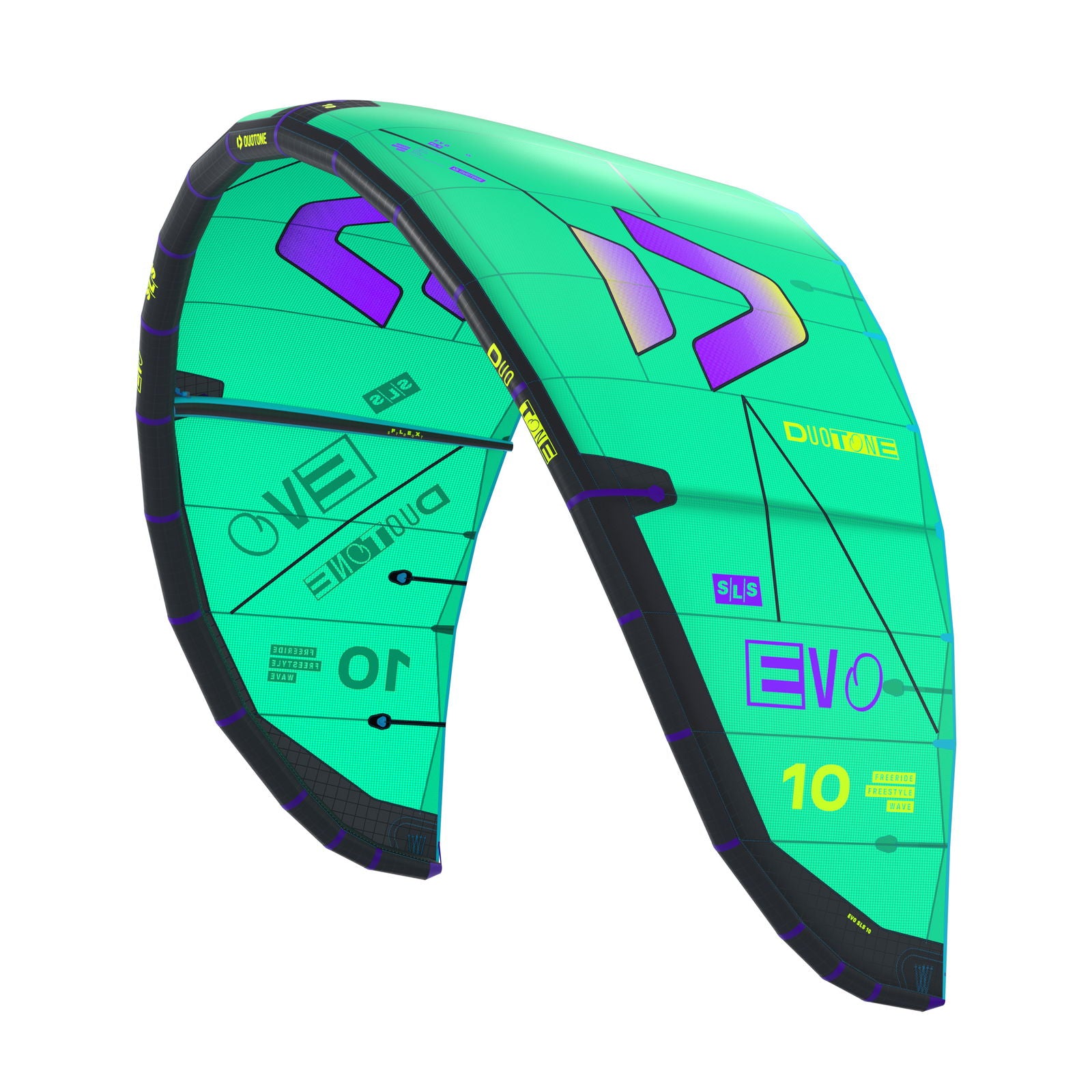
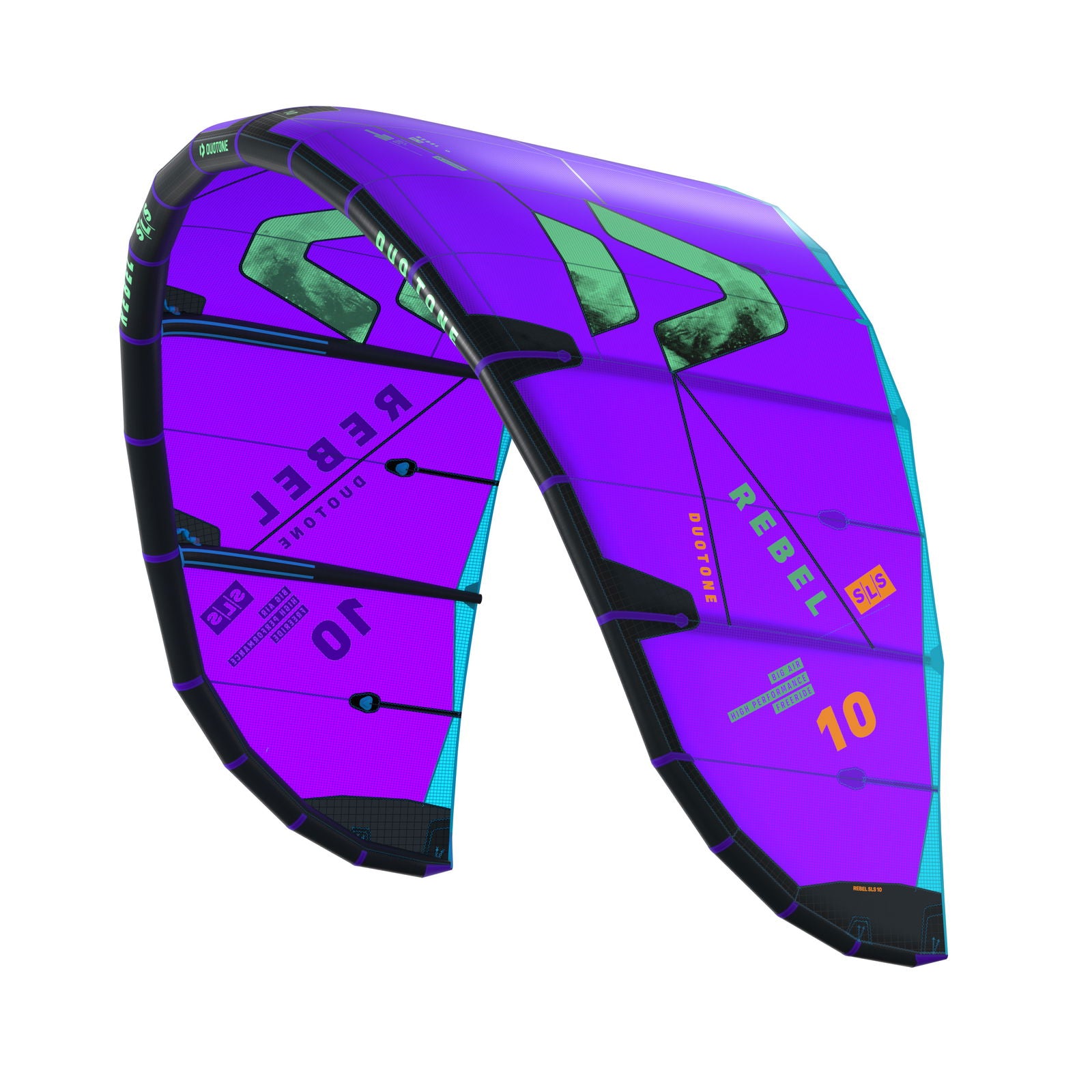
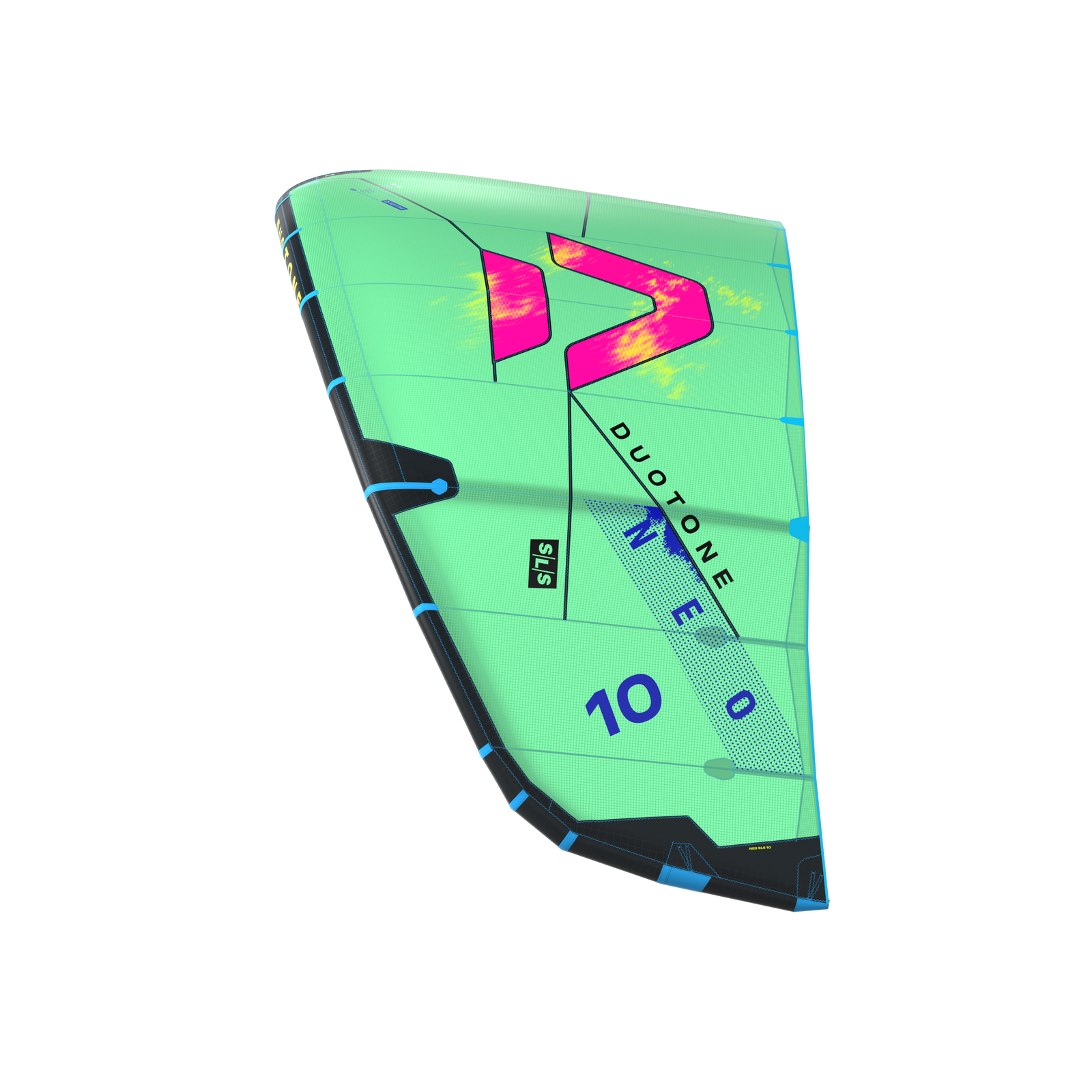
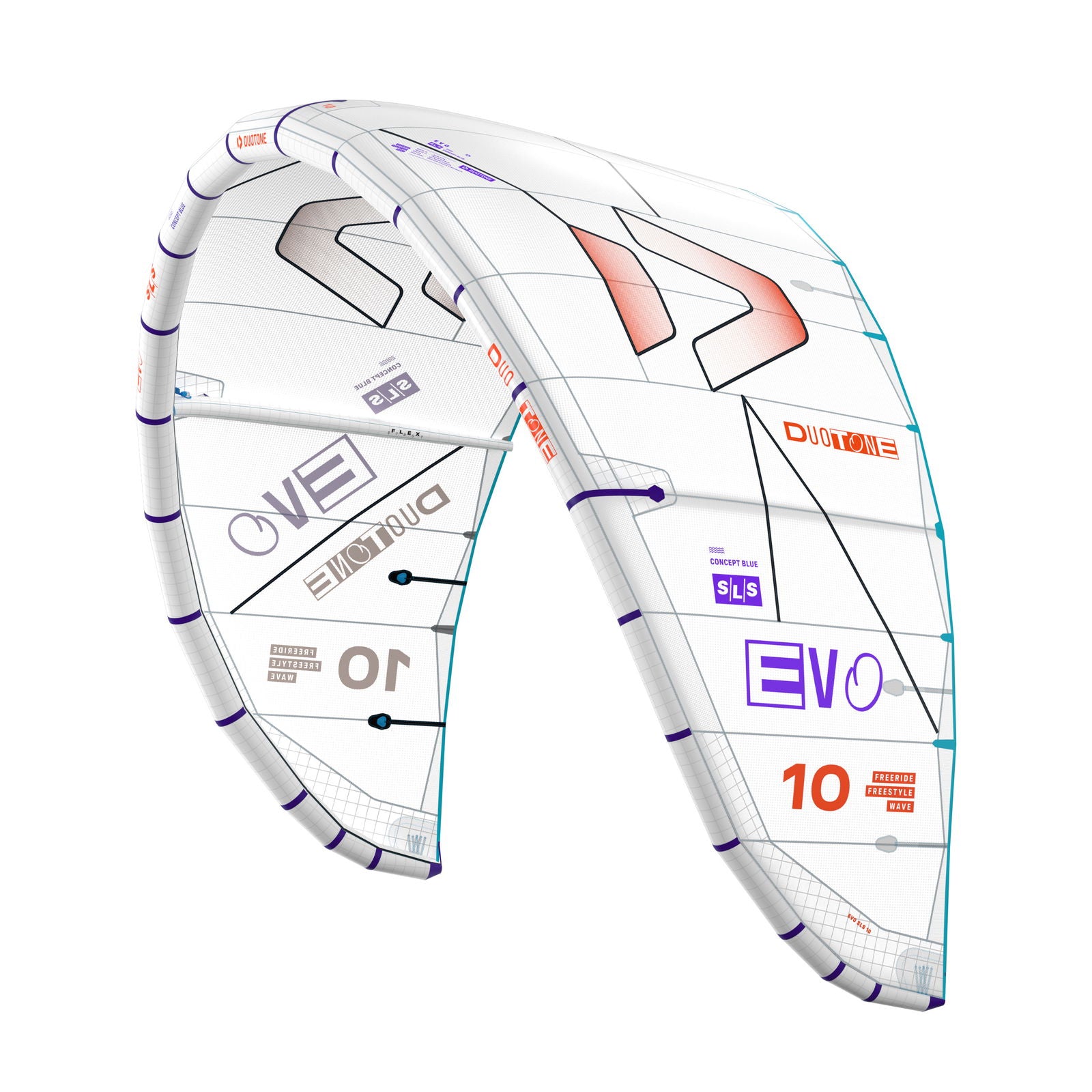
Prices and 2026 specs are pulled live from each product page. Confirm on the product page before checkout.
04 — MistakesThree mistakes we see every week
Ready to go light wind?
Browse our full Duotone and Cabrinha foil and twin-tip lineup, all in stock and ship within 48 hours across Europe.
Frequently asked
Foils work best from 8–16 knots. Below 8 knots, even a foil struggles. Above 16 knots, you might overshoot or need a smaller kite.
Yes, but learn on a regular twin-tip first. Foiling requires good board control and body positioning. Once you can edge and carve on a twin-tip, foiling clicks fast.
No. Your existing kite works fine. A 9 or 12 m² is standard for foil sessions in light wind, same as twin-tips.
Not really. A 140 cm foil board is shorter than most twin-tips, so it fits standard bags. The foil itself is tucked underneath—you won't snap it in a car.