Duotone Unit SLS 2026 — Windsurf Sail Review
The 2026 Duotone Unit SLS refines an already solid freewave sail with sharper batten response, a new 4.0 m² size, and a fuller lower profile for easier light-wind drive. We've had this in the shop since launch—here's what actually changed and whether it's worth your euros.
The Unit SLS is a freewave sail built on Duotone's SLS moulding technology, designed for 12–25 knot range with responsive handling and predictable power. The 2026 version tightens batten feedback, adds a 4.0 m² size for light-wind riders, and deepens the lower sail belly for earlier drive. Pick it if you're intermediate stepping up to freewave and want control without constant trimming.
01 — RefinementWhat Changed in 2026
Duotone didn't reinvent the wheel—they tightened it. The batten curves are stiffer but more responsive to pressure changes, so you feel the wind window faster without the sail hunting around. In 18-knot conditions at Tarifa, our demo rider said the feedback was almost like a smaller sail, which is exactly what you want in variable wind.
The new 4.0 m² fills a gap below the old 4.5 m² size. If you're light (sub-60 kg) or you sail in sustained light wind, this closes the door on oversizing. The lower profile—deeper belly from the foot up to about the quarter-mast point—pulls harder in 12-14 knots without making you work harder on trim. Less babysitting, more gliding.
02 — Rider fitWho Should Buy This Sail
You're the right fit if you're intermediate-to-advanced, riding in 12–25 knots, and want a sail that doesn't demand constant trimming. Freewave riders stepping up from wave sails will appreciate the broader power band and forgiving handling. The 2026 is more tunable than a Gaastra or Point-7 race sail, but more direct than a cruising-focused option.
Avoid it if you're in strong wind (above 25 knots regularly)—you'll want a smaller, stiffer race sail for that. Or if you're a beginner, start with an Atlas HD or Atlas Pro Fuse—those are more forgiving and cheaper.
03 — Our picksOur 4 In-Stock Picks for Freewave and Light Wind
If the Unit SLS appeals to you but you want to compare, we stock four Neilpryde sails that handle similar conditions. Here's how they line up against each other.
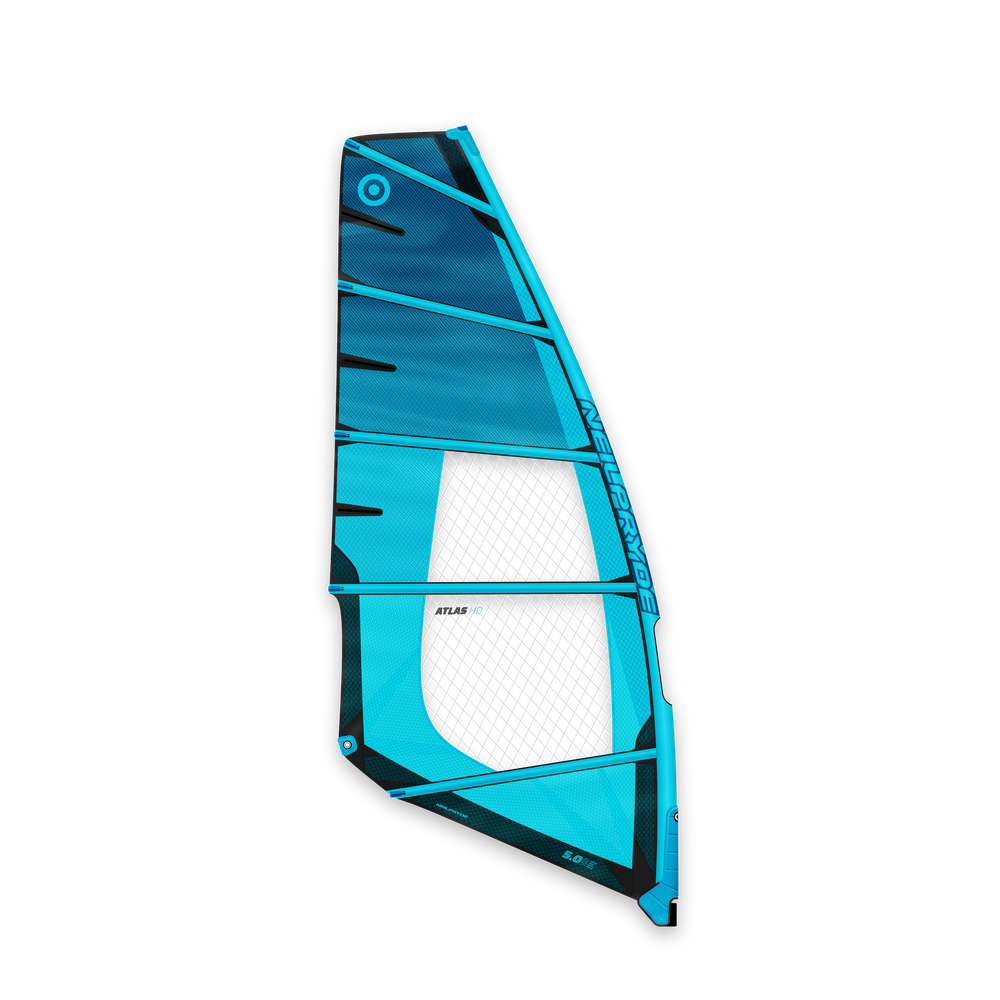
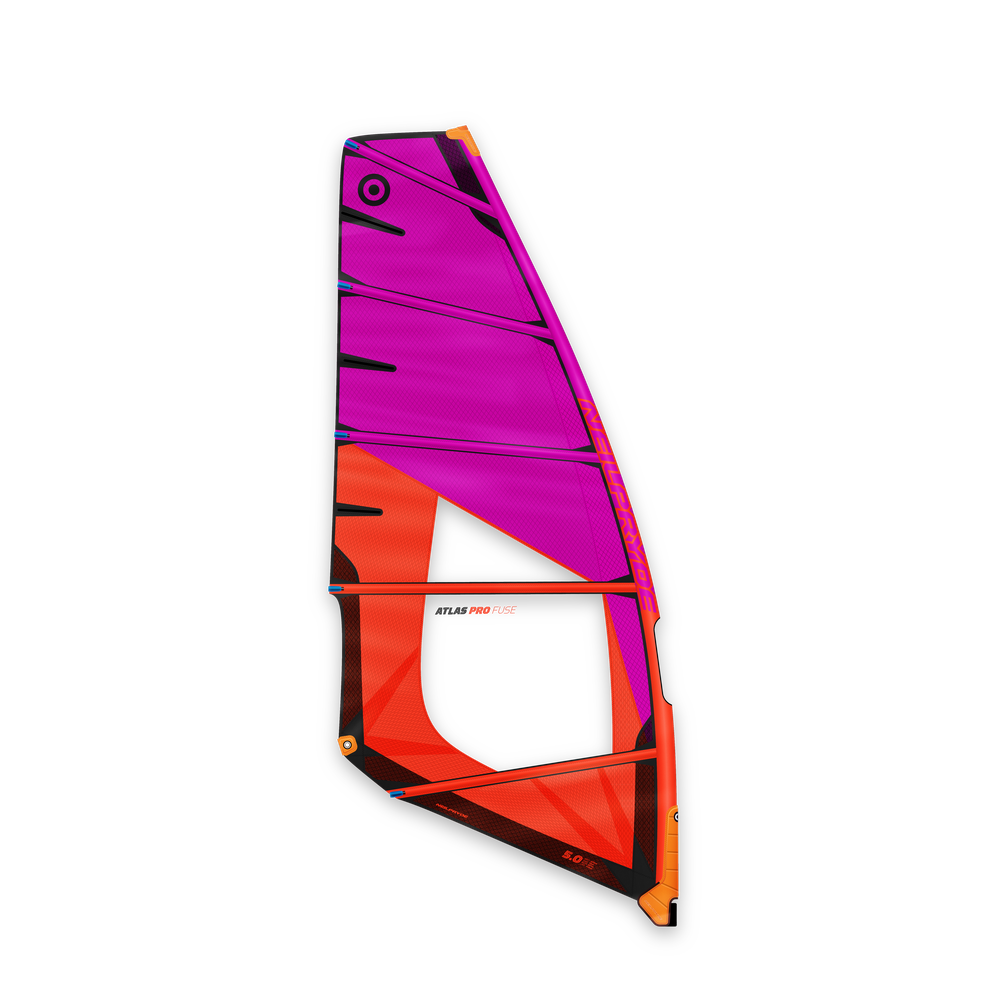
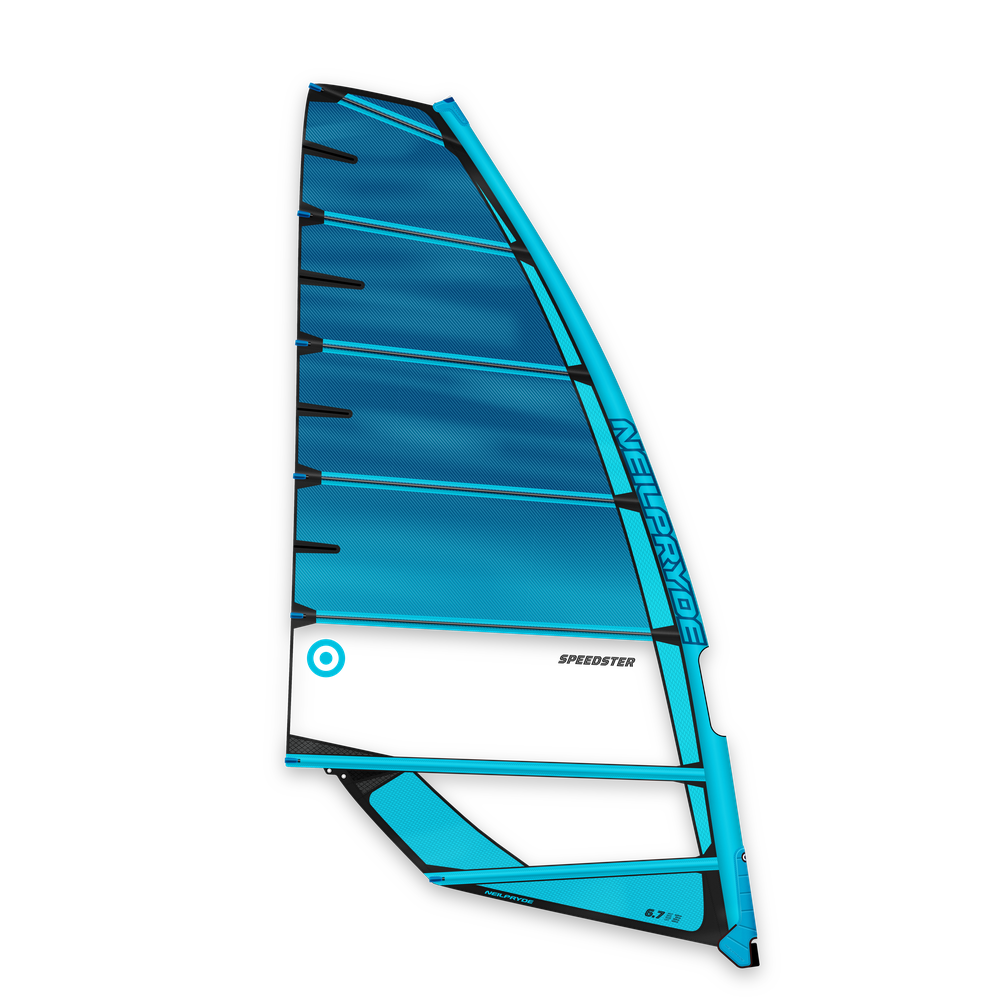
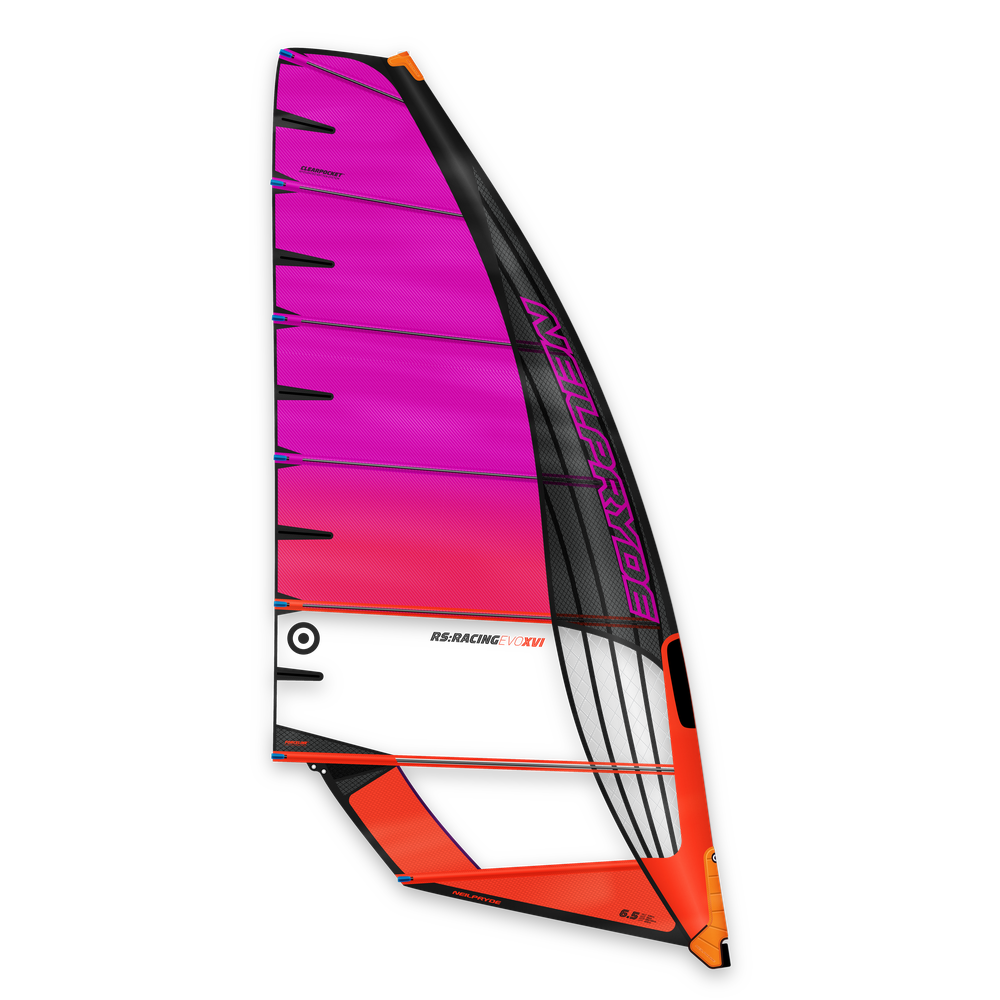
Prices and 2026 specs are pulled live from each product page. Confirm on the product page before checkout.
04 — MistakesThree mistakes we see every week
Ready to find your freewave sail?
Browse our full windsurf sail range and talk to us if you're unsure on size—we've shipped thousands since 2003.
Frequently asked
It can handle it, but it's not optimized for it. A dedicated wave sail will be snappier and lighter. If you want one sail that does both, the Unit SLS is flexible enough—just expect a slight compromise on wave response.
Start with 5.5 m² or 6.0 m². At 15 knots, a 5.5 m² feels responsive; 6.0 m² gives you more room to play. Check the product page for the exact weight-and-wind chart.
The Atlas Pro Fuse is a race sail—more precise, stiffer, demands better technique. The Unit SLS is freewave—more forgiving, easier to trim, better for learning new moves. Pick freewave if you want to enjoy the session; pick race if you want to chase speed.
Only if you're under 60 kg or you sail light wind (under 12 knots) regularly. If you're over 70 kg, start with 4.5 m² or bigger. The 4.0 m² is niche—don't buy it just because it's new.