Can You Learn Windsurfing Without Lessons? — Honest Answer
You can teach yourself to windsurf—thousands have. But expect a longer, harder road with more wipeouts than if you'd taken lessons. The honest truth: technique matters, and you won't know what you're doing wrong until it hurts.
Self-taught windsurfing is possible but slow. Budget 3–6 months of regular practice (2–3 sessions per week) to waterstart reliably, versus 4–8 weeks with instruction. Without a coach spotting your mistakes in real time, you'll repeat bad habits. Choose flat-water spots, beginner gear (like the JP Ultimate Wave or Tabou boards), and structured online guides to cut the pain.
01 — TechniqueWhy Self-Teaching Is Harder Than It Sounds
Windsurfing demands balance, timing, and sail control your body's never felt before. A coach watches your boom height, your hand position, when you're sheeting in too early—and fixes it before you've built muscle memory for the wrong move. Teaching yourself means you'll figure out you're doing it wrong only after you've eaten water fifty times.
The waterstart—that moment when you can actually sail upwind instead of drifting back to shore—takes most self-taught riders 2–3 months of grinding. With a coach? 3–4 weeks. Why? Because instructors kill bad habits on day one. You'll develop them alone, and breaking them later is harder than learning right the first time.
Flat water and light wind are your best friends. Spots like Vassiliki in Greece or the Dutch lakes let you focus on technique without waves and strong wind punishing every mistake. Most self-taught riders start in too much wind, panic, and quit.
02 — EquipmentThe Gear Difference: Beginner Boards Actually Matter
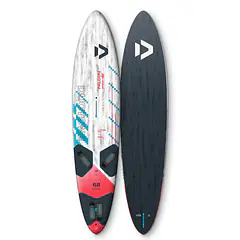
Self-teaching is forgiving only if your board forgives too. A wave board under 85 L is a knife—it'll sink, it'll turn sharp, and you'll blame yourself instead of the gear. Beginner boards sit around 140–160 L with a wide, stable platform. The JP Ultimate Wave S-TEC and JP Magic Wave S-TEC are built for exactly this: a forgiving platform that keeps you afloat while you learn.
Sails matter less than board, but start with 4.5–5.5 m². Anything bigger and you're fighting for control in wind you can't yet handle. A 4.5 m² with a beginner board in 12–15 knots is honest teaching. The sail won't lie to you about technique—it'll just reward good timing and punish lazy footwork.
03 — Our picksOur 4 In-Stock Picks for Self-Taught Riders
We've shipped JP and Tabou boards to self-taught riders from Tarifa to Cape Town since 2003. These four are in stock now and built for the long, humble learning curve.
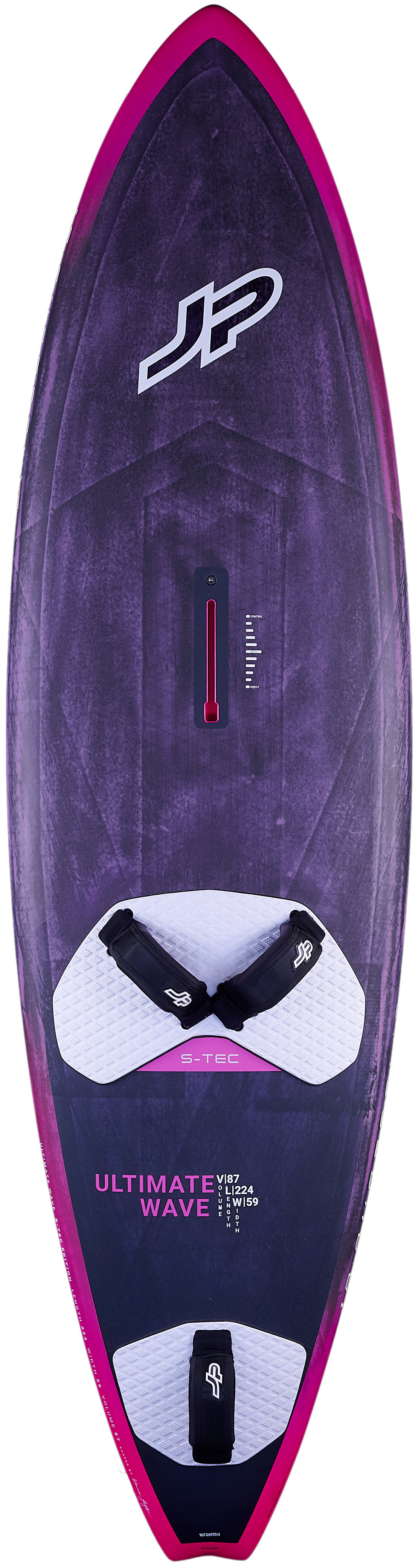
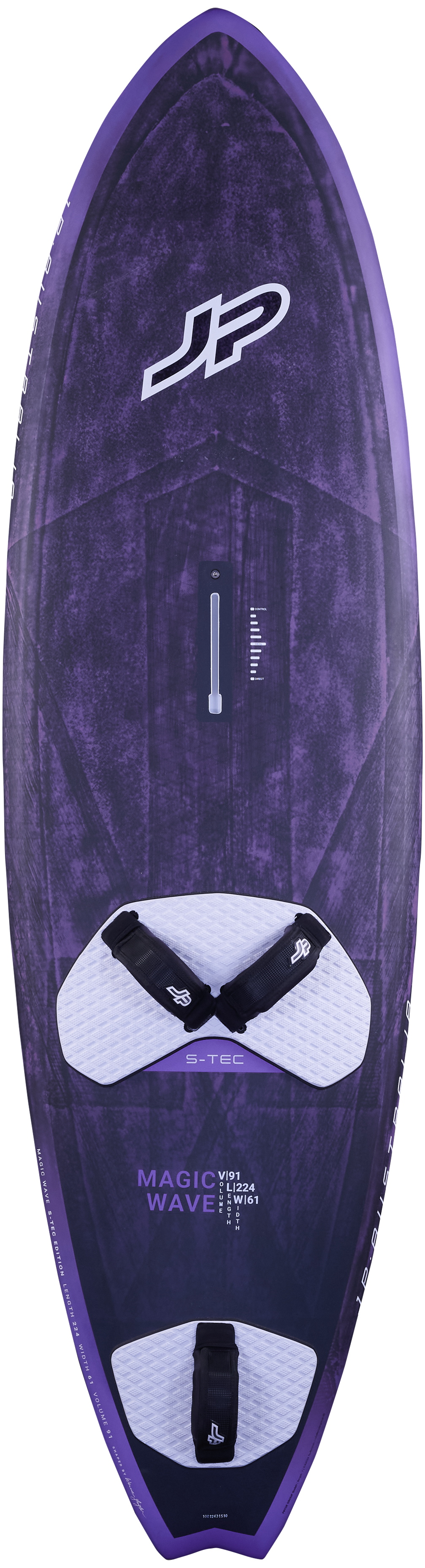
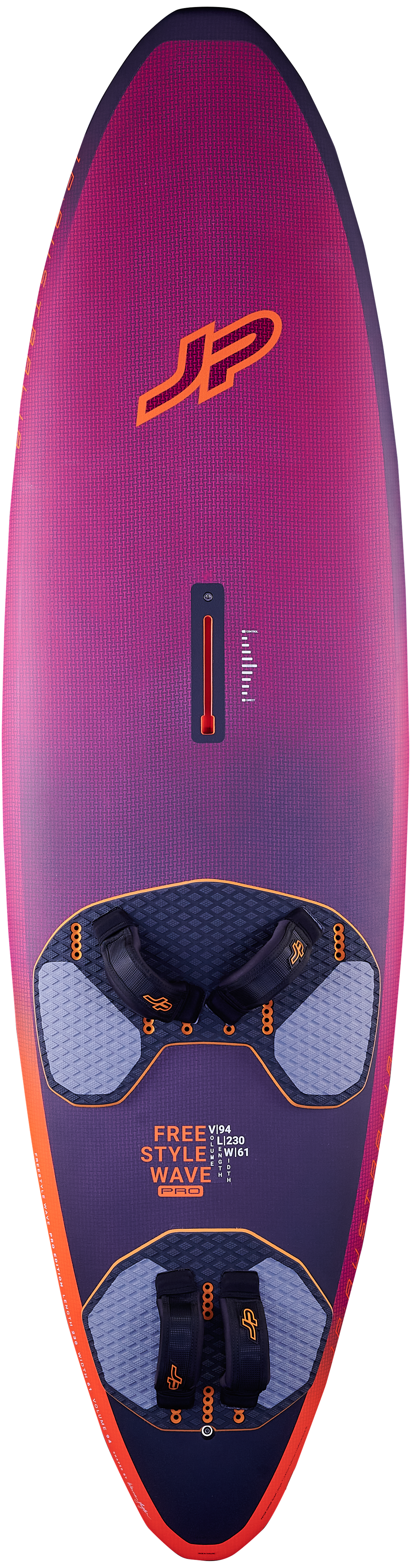
Prices and 2026 specs are pulled live from each product page. Confirm on the product page before checkout.
04 — MistakesThree mistakes we see every week
Ready to start self-taught?
Browse our windsurf beginner boards and find the flat-water spot that matches your ambition.
Frequently asked
3–6 months of 2–3 sessions per week on a beginner board in flat water. If you're grinding alone in waves or strong wind, expect 6–12 months. A coach cuts it to 4–8 weeks.
Technically yes. Practically? You'll quit faster. Waves demand technique you don't yet have. Master flat water first, then add waves once you can waterstart reliably.
140–160 L for riders 65–85 kg. Aim for a board that floats you comfortably with the sail down—you should be able to lie on it without sinking. JP and Tabou beginner models suit this range perfectly.
Yes. Watch technique videos on boom angle, sheeting, and footwork before you paddle out. Your brain learns faster when paired with video proof. Combine that with wipeouts and you'll connect the dots.